ABADIA DE JUMIÈGES – FRANÇA

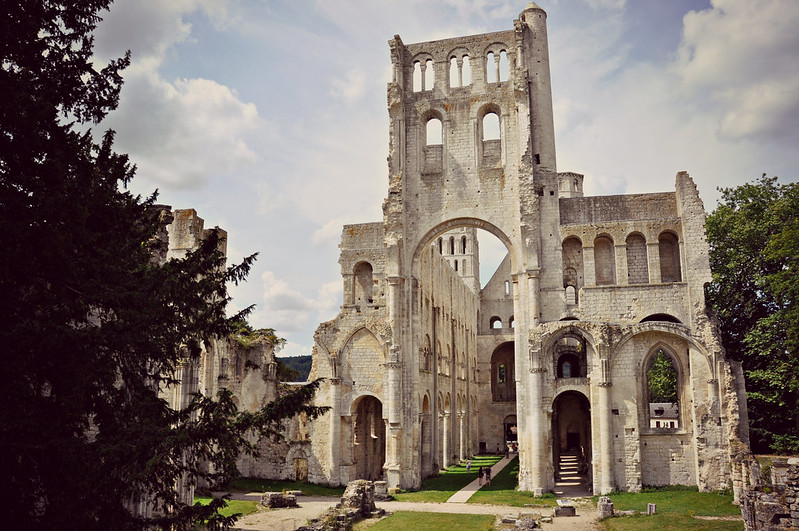
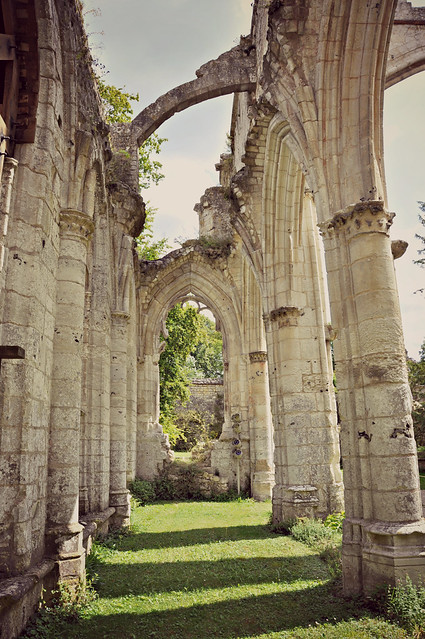
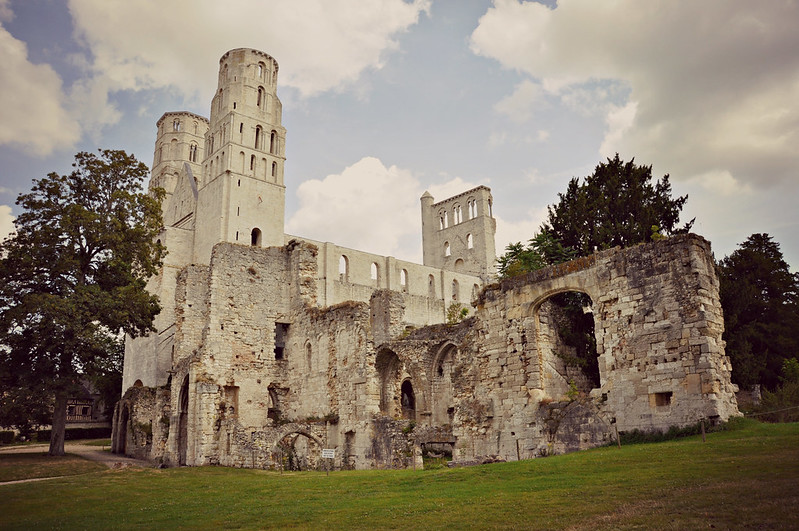
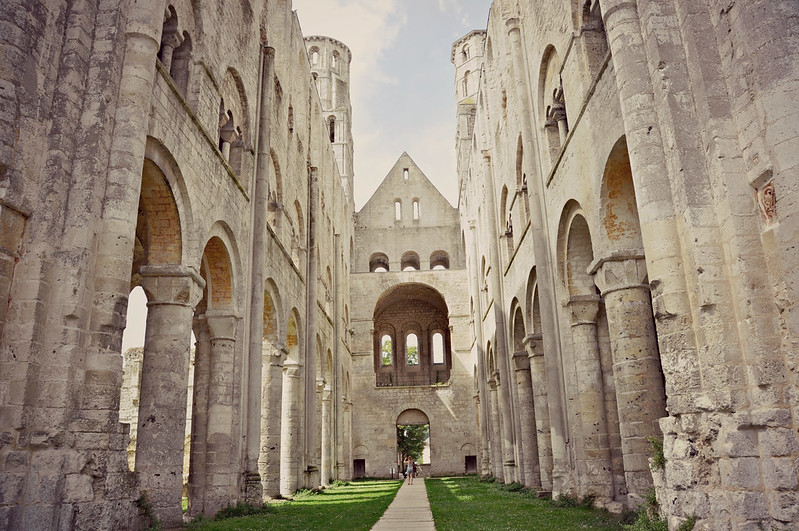
Depois de passar a noite em Rouen decidimos passar por Jumièges e descobrir a sua famosa abadia, uma excelente ideia. Nenhuma foto ou post conseguirá realmente transmitir a beleza de das suas ruínas, a paz e tranquilidade que transmitem, nem o sentimento de pena que nos faz pensar que mais se poderia ter feito para a manter de pé. Inicialmente fundada em 654 como um mosteiro da Ordem de S. Bento foi mais tarde destruído pelos vikings até que em 1067, Guilherme I da Normandia volta a construir a abadia.
 
After spending the night in Rouen decided to go through Jumièges and discover its famous abbey, a great idea. No photo or post can really convey the beauty of its ruins, the peace and quiet that it transmits, or the feeling of pity that makes us think that more could have been done to keep it standing. Originally founded in 654 as a monastery of St. Benedict Order it was later destroyed by the Vikings until in 1067, William I of Normandy built an abbey again.

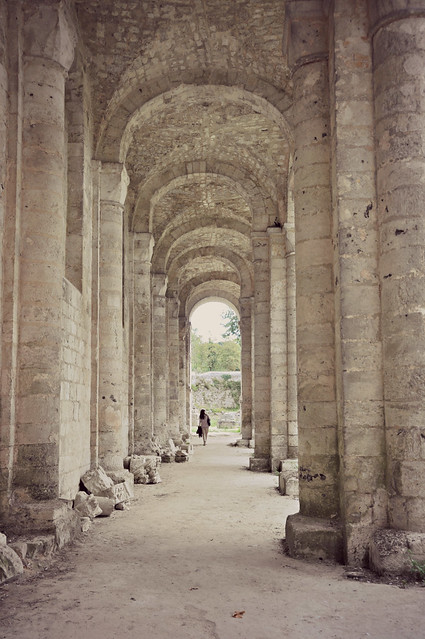
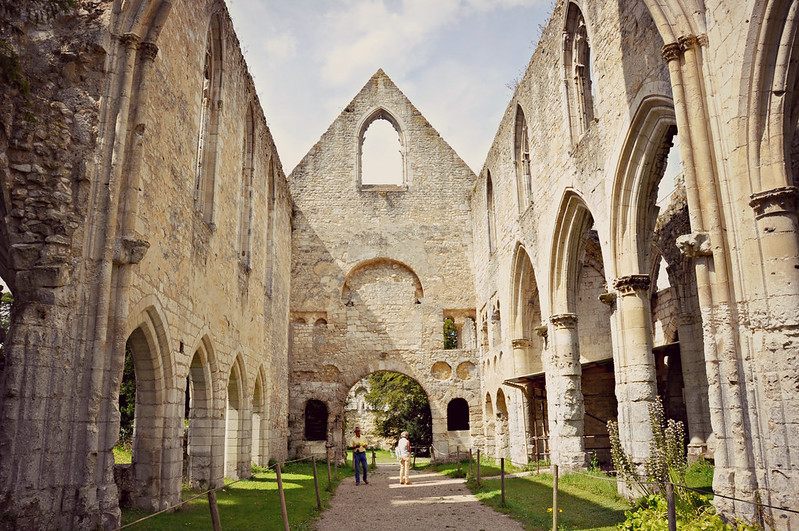
Durante os séculos XVIII e XIX o abandono a que foi sujeita deixou-a nas ruínas que podemos visitar hoje. A parte mais impressionante é a da igreja principal de Nossa Senhora, o ideal é tirar fotos com pessoas para realmente ver a sua dimensão e o pequeninos que somos ao caminhar pela nave principal. Impressionam também as duas torres gémeas da fachada de aproximadamente quarenta e cinco metros de altura. Fazem parte de este grande complexo as ruínas da Igreja de São Pedro e os claustros. Um excelente exemplo da arquitetura românica na Normandia que vale mesmo a pena visitar.
 
During the eighteenth and nineteenth centuries it was abandoned and left in the ruins that we can now visit. The most impressive part is the main church of Our Lady, the ideal is to take pictures with people to really see its size and how little we are walking across the nave. Also impressive are the twin towers of the facade they are about forty-five feet high. Part of this large complex of ruins of the Church of St. Peter and the cloisters. An excellent example of Romanesque architecture in Normandy that is worth visiting.


Website: http://www.abbayedejumieges.fr/
Preço: 6€ por pessoa/adulto
EL OCHENTA – MAJADAHONDA, ESPANHA

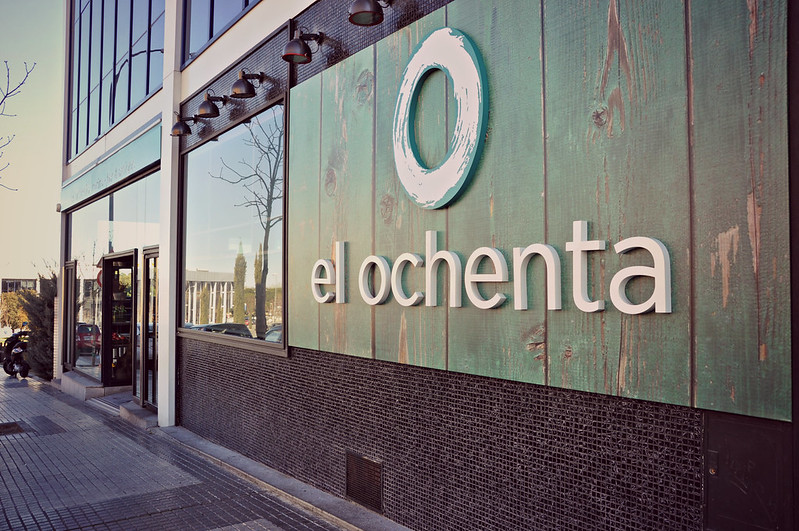
Este fim de semana repetimos um restaurante recomendado por alguns colegas de trabalho que vivem em Majadahonda, é um espaço diferente mais cosmopolita que se soma a uma nova oferta que está a nascer na zona ao qual juntaria o Xinito e a Central Mexicana. Está muito bem localizado junto ao parque do Monte del Pilar e tem uma “terraza” que no Verão estará sempre cheia.
This weekend we repeated a recommended restaurant by some co-workers who live in Majadahonda, it’s a different space with a Cosmopolitan touch that adds to a new offer that is emerging in the area to which the Xinito and the Mexican Central are also in. Is very well located near the Monte del Pilar park and has a terrace” in the summer that might be always full.

Continue a ler “EL OCHENTA – MAJADAHONDA, ESPANHA”

Don Jamon – Madrid, Espanha

Saímos do Teatro de Comédia (ver post sobre La Chocita del Loro) tínhamos que decidir onde jantar, o lógico e habitual é reservar antes um restaurante mas os que fui tentando já estavam cheios, sexta-feira á noite em Madrid onde é que eu estava com a cabeça de deixar isto para última hora? Decidimos ir a um clássico: Don Jamon, ainda pensámos ir ao Museo del Jamón (o ultra-famoso) mas não sei porquê achei que o primeiro tinha melhor pinta.

We left the Comedy Theatre (see post about La Chocita del Loro) had to decide where to have dinner, the logical and usual is to book a restaurant before but I the ones I was trying were already full, Friday night in Madrid what was I thinking to leave this to the last minute? We decided to go to a classic: Don Jamon, still thought going to the Museo del Jamón (the ultra-famous) but do not know why I thought the first seemed better.

Continue a ler “Don Jamon – Madrid, Espanha”

Mür Café – Madrid, Espanha

Antes de ir ao Teatro na Gran Vía decidimos ir lanchar ao Mür café que fica perto da Calle Princesa na Plaza Cristino Martos já na zona de Conde Duque. Já tinha ouvido falar muito de este sitio famoso pelo seu brunch e fomos experimentar. Logo ao entrar vês que é um daqueles sitios com gente “cool” com ambiente descontraído, mesas comunitárias e com o seu famoso sofás Chesterfield no segundo andar que por certo, foi onde nos sentámos.
Before going to the theater in the Gran Vía we decided to go to have a afternoon snack in the Mür coffee which is close to Calle Princesa in the Plaza Cristino Martos within the Conde Duque area. I had heard a lot about this place famous for its brunch and we decided to try itRight when you go in you see that is one of those places for “cool” people with a relaxed environment , communal tables and with its famous Chesterfield sofas on the second floor which by the way, was where we sat.

Continue a ler “Mür Café – Madrid, Espanha”

Teatro Comédia La Chocita del Loro – Madrid, Espanha

Já quase no fim da Broadway madrilenha – a Gran Vía – está o La Chocita del Loro, um Teatro de Comédia onde podemos ver artistas de stand-up comedy. Já levo quatro anos em Madrid e sempre pensei que este tipo de formato seria mais divertido se conheces mais sobre a história actual da cidade e do país, foi o momento certo (e terem oferecido os bilhetes deu um bom empurrão) porque já conseguimos aproveitar ao máximo a experiência cómica.
Almost at the end of Madrid’s Broadway the Gran Vía is the La Chocita del Loro a Comedy Theatre where we can see stand-up comedy artistsI’ve been in Madrid for four years and have always thought that this kind of format would be more fun if you know more about the current history of the city and the country, but it was the right time (and the gift of free tickets gave a good push) because we were able enjoy the most of this comic experience.

Continue a ler “Teatro Comédia La Chocita del Loro – Madrid, Espanha”

CASTELO – PRAGA, REP. CHECA

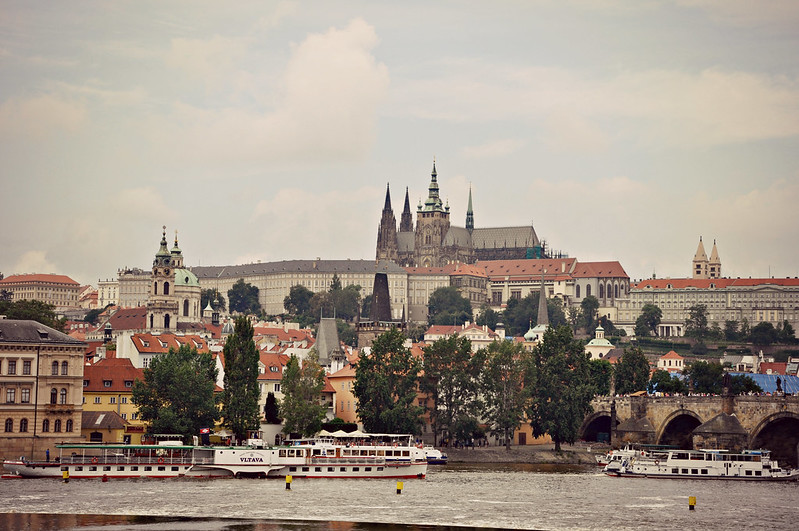
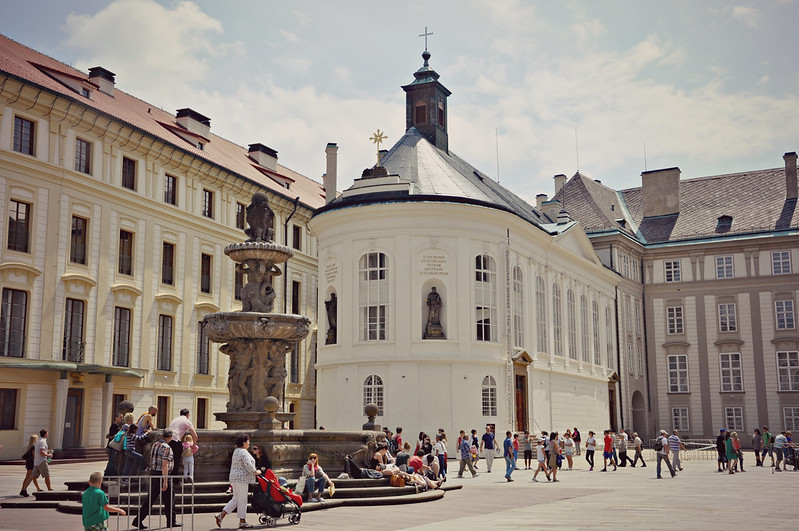
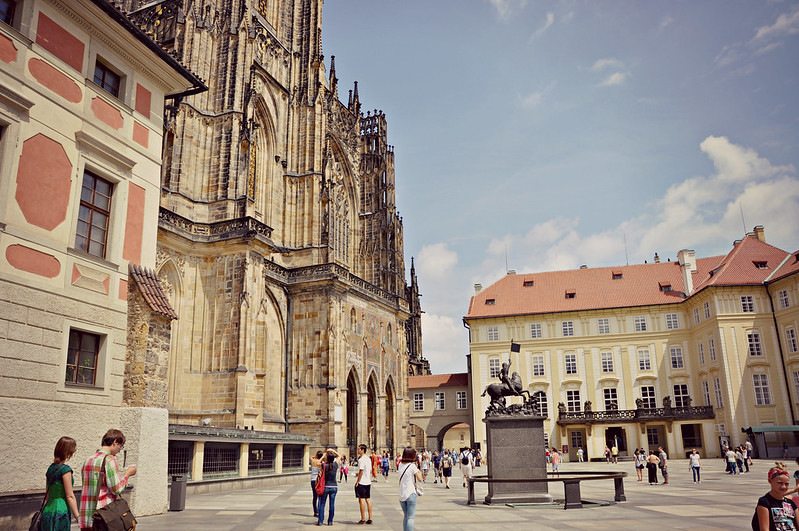
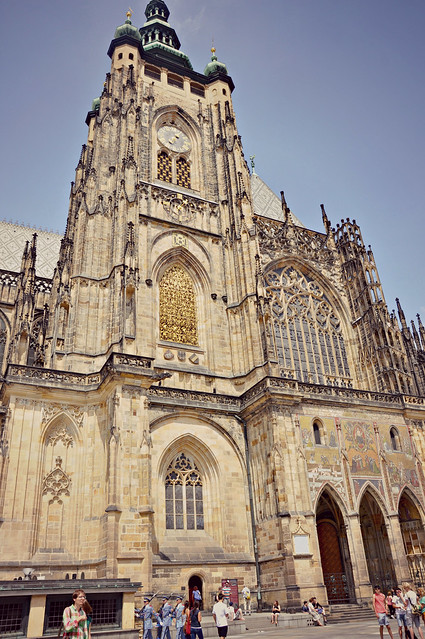
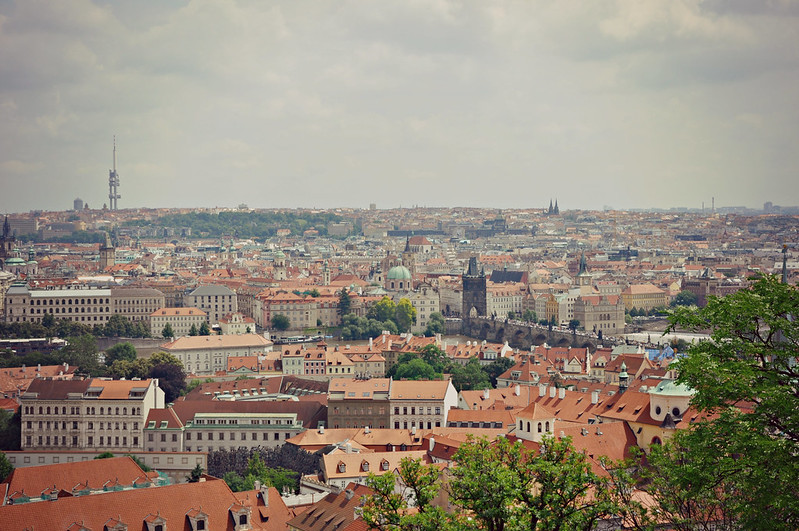
Quando penso num Castelo penso em muralhas medievais, com torres de menagem, com uma igreja ou capela mas quando visitei o de Praga conheci uma outra dimensão onde ainda se vê uma parte da fortaleza mas com vários edificios que são exemplos de diferentes estilos arquitectónicos como o gótico, o barroco e o neo-clássico. Uma Catedral, um convento, um museu, um jardim, vários palácios fazem parte de este extraordinário complexo.
 
When I think of a Castle I usually think of medieval walls with keep towers, with a church or chapel but when I visited Prague I saw another dimension where you can still see a part of the fortress but with several buildings that are examples of different architectural styles such as gothic, baroque and neo-classical. A cathedral, a monastery, a museum, a garden, several palaces are part of this extraordinary complex.

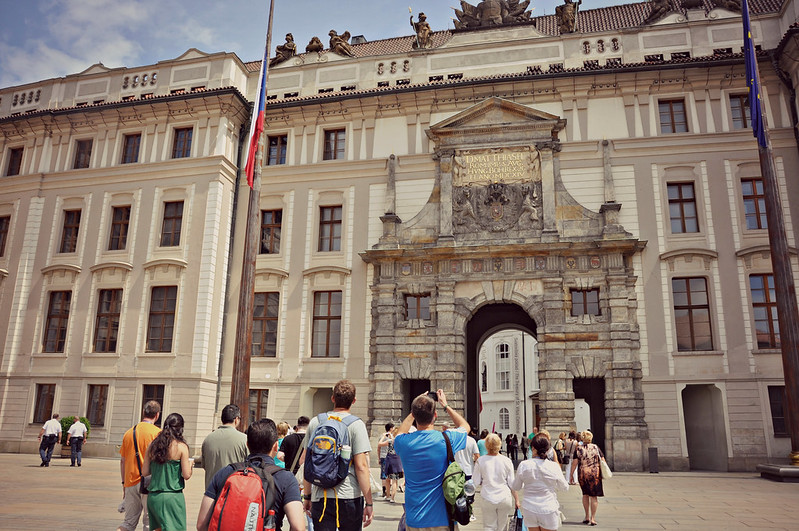
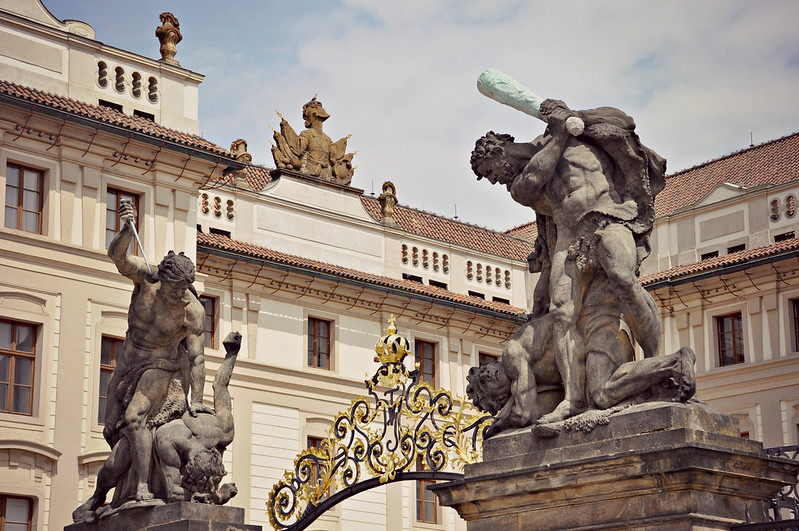
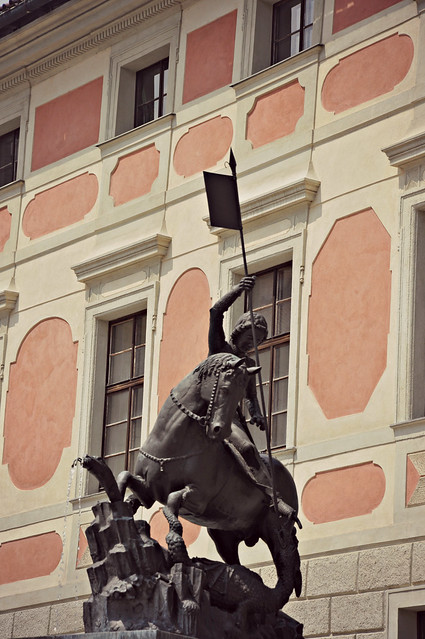
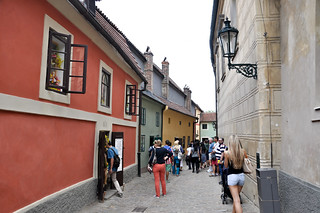
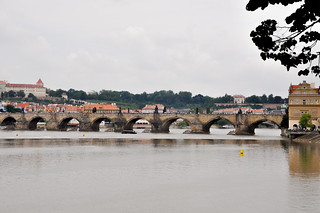
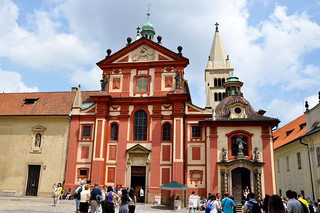
A entrada é feita pelo Mathias Gate entrando num segundo pátio onde temos que comprar os bilhetes para entrar, há vários tipos e combinações no nosso caso como não tínhamos muito tempo para visitar todo o complexo escolhemos o B (que custa aproximadamente 8€) que dá acesso á Catedral, ao Palácio Real, á Basilica de S. Jorge, Golden Lane com a Daliborka Tower. Tem muito mais para ver e por isso é preciso de dedicar-lhe tempo, uma manhã pode não ser suficiente mas já nos ajuda a conhecer o principal. Fomos primeiro á Catedral de St. Vitus e é de visita obrigatória, o seu interior é bastante interessante, seguimos para a Golden Lane uma pequena e pitoresca cidade, visitámos ainda o Palácio Real onde se destaca o Vladislav Hall e a excelente vista que tem sobre a cidade de Praga principalmente da Ponte Carlos. Por último visitámos a Basílica de S. Jorge e já não tivémos tempo para muito mais.
 
The entrance is made by the Mathias Gate getting into a second courtyard where we have to buy tickets, there are various types and combinations in our case as we did not have much time to visit the entire complex chose the B (which costs around € 8) giving access to the Cathedral, the Royal Palace, the Basilica of St. George, Golden Lane with Daliborka Tower. Has much more to see and so it takes to time, one morning may not be enough but already helps to know the main attractions. We went first to the St. Vitus Cathedral and it is a must see, its interior is very interesting, we went to the Golden Lane a small picturesque town, then visited the Royal Palace which highlights are the Vladislav Hall and the great views it has on the city of Prague specially of the Charles Bridge. Finally we visited the Basilica of St. George and no longer had time for much else.


Website: https://www.hrad.cz/en/prague-castle/prague-castle-tourist-information/visit-of-prague-castle.shtml

 
Ver também//See also:


Catedral St. Vitus                                                   Golden Lane

http://hojeconhecemos.blogspot.com.es/2013/07/do-catedral-de-st-vitus-praga-rep-checa.html http://hojeconhecemos.blogspot.com.es/2013/07/do-golden-lane-praga-rep-checa.html
 Ponte Carlos                                                             Basílica S. Jorge
http://hojeconhecemos.blogspot.com.es/2013/07/do-ponte-carlos-praga-rep-checa.html http://hojeconhecemos.blogspot.com.es/2013/09/do-basilica-de-s-jorge-praga-rep-checa.html

Our guide:

MALÁ STRANA – PRAGA, REP. CHECA

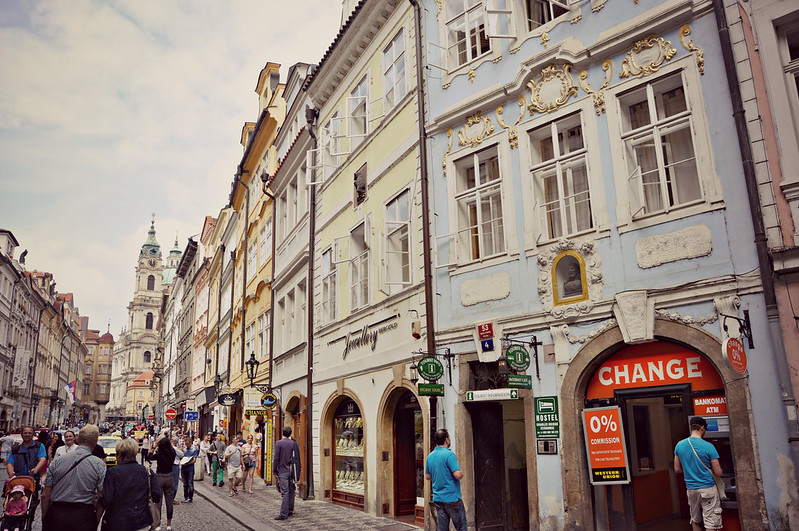
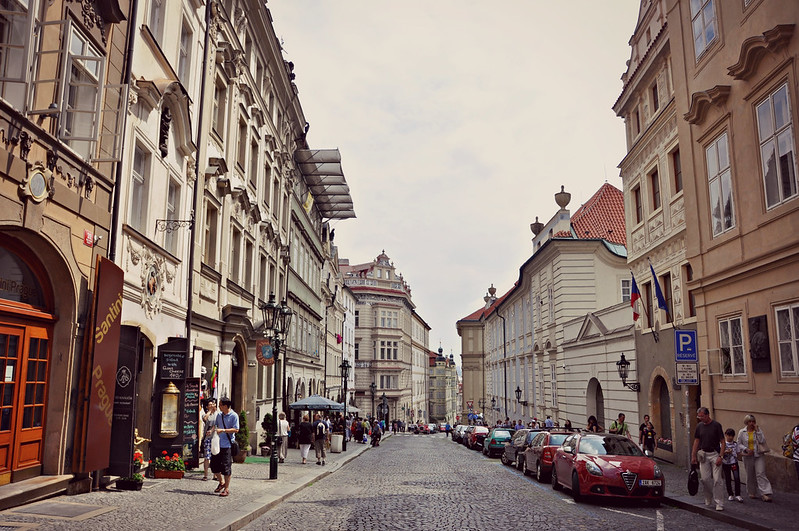
Malá Strana é um dos bairros mais bonitos de Praga e pela sua proximidade ao Castelo e á Ponte Carlos, um dos mais turísticos e animados. O seu nome traduzido em inglês seria Lesser Town ou Cidade Inferior por estar aos pés da colina do Castelo e para visitá-lo temos que passar por duas das suas famosas ruas, a Nerudova e a Mostecká cujos edificios de estilo barroco deixaram-me impressionada.
 
Malá Strana is one of the most beautiful districts of Prague and its immediate proximity to the Castle and Charles Bridge makes it, one of the most touristic and animated. It’s name translated into English would be Lesser Town or Lower City because it’s at the foot of the Castle Hill and to visit it we have to go through two of it’s famous streets, Nerudova and Mostecká whose baroque buildings left me impressed.

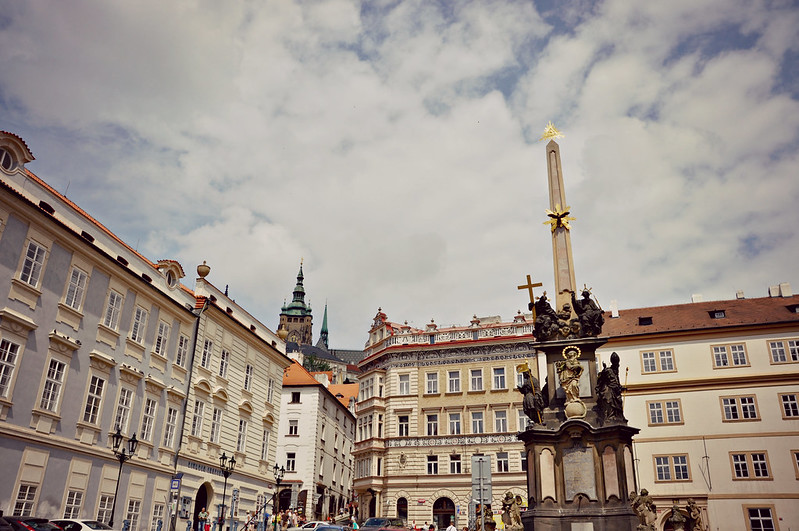
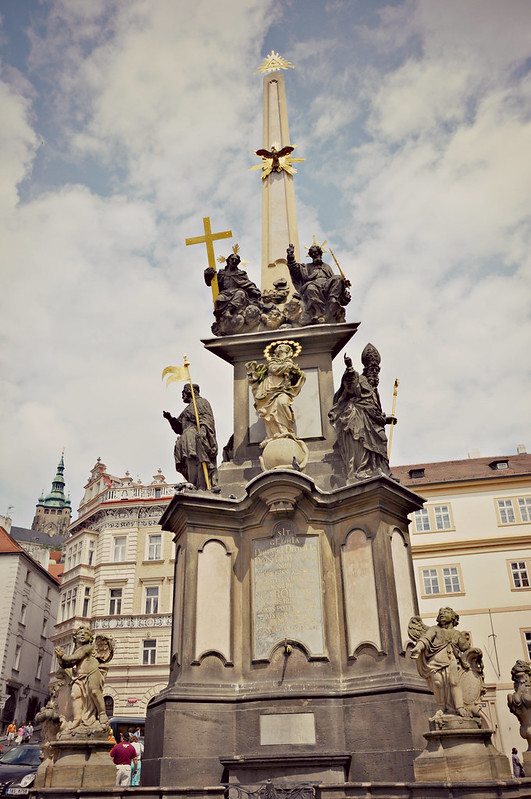
Grande parte dos edificios do bairro foram construídos no século XVII e XVIII, um dos mais emblemáticos é o da Igreja de S. Nicolas conhecida pelos frescos que decoram o seu interior entre eles o da cúpula criados por Franz Palko. Construída na Praça de Malostranské (Malostranské náměstí náměstí) partilha protagonismo com a coluna da Santíssima Trindade.
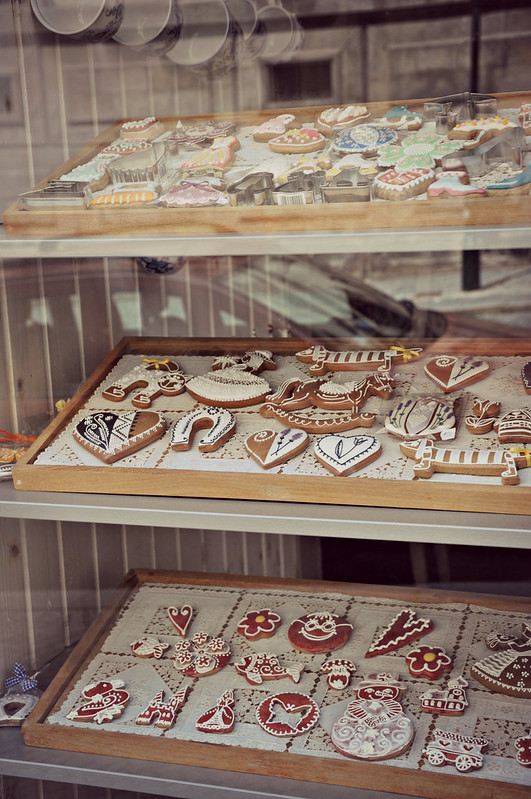
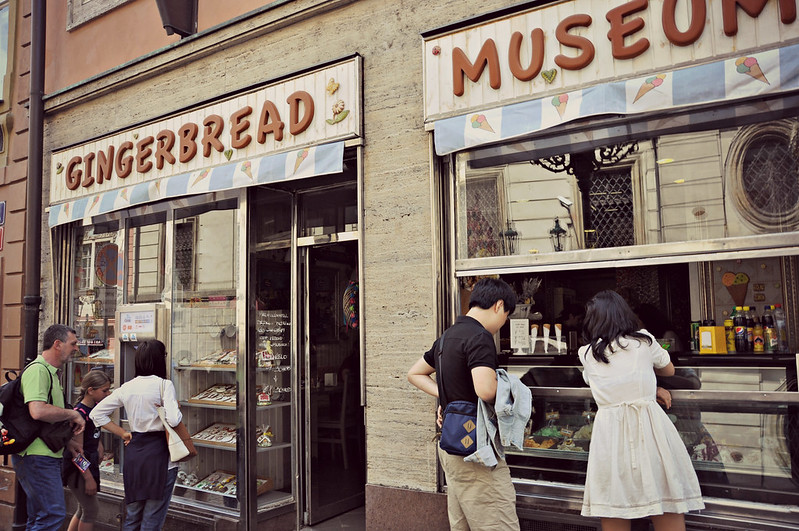
Outra das curiosidades do bairro é o Museu de Gingerbread cujo o nome engana já que é uma loja totalmente dedicada a bolachinhas de gengibre de todas as formas e feitios. Vale mesmo um passeio por aqui e só tive pena de não ter tido mais tempo para explorar mais ruas do bairro.
 
Much of the buildings in the neighborhood were built in the seventeenth and eighteenth century, one of the most emblematic is the St. Nicholas Church known for the frescoes decorating the interior including the one on the  dome created by Franz Palko. Built in the Malostranské Square (Malostranské náměstí) it shares the spotlight with the column of the Holy Trinity.
Another of the curiosities of the neighborhood is the Gingerbread Museum whose name may be deceiving as it is a store dedicated entirely to gingerbread cookies of all shapes and sizes. It’s really worth a walk around and just felt sorry that I didn’t had more time to explore the neighborhood streets.


Metro: Malostranská
 
Our guide:

VOJANOVY SADY – PRAGA, REP. CHECA

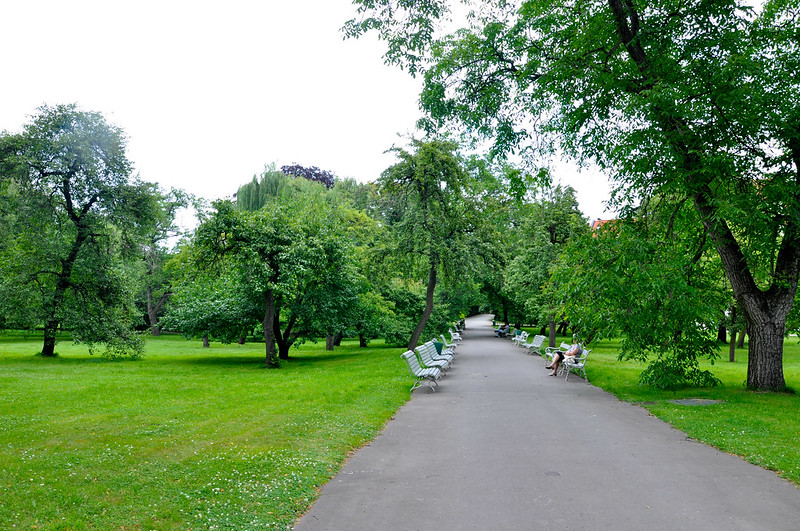
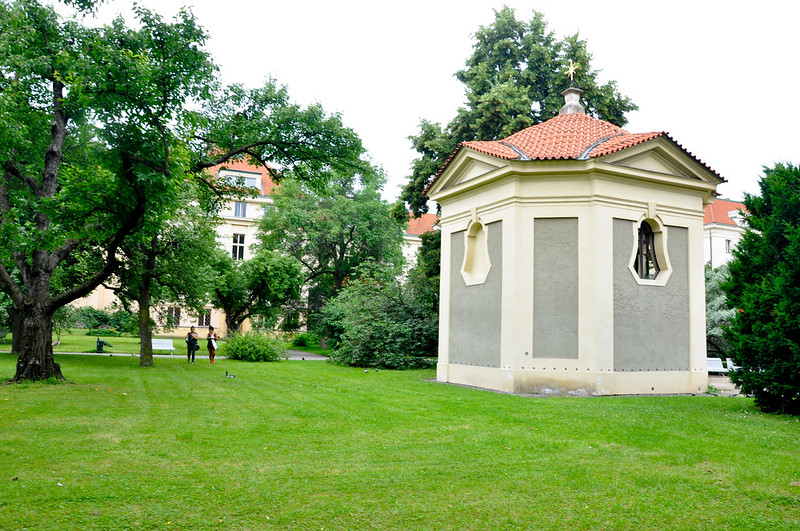
Depois do nosso almoço no Vojanuv Dvur (post aqui) continuámos a explorar a cidade sem grande plano, sabíamos que o passeio estava a chegar ao fim quando entrámos neste parque, o Vojanovy Sady. Parecia um mundo paralelo, depois da agitação de atravessar a Ponte Carlos e de visitar o Castelo sempre com muita gente á volta chegar aqui e encontrar um bonito e tranquilo jardim foi o melhor para recarregar baterias.
 
After our lunch at Vojanuv Dvur (post here) we continued to explore the city without great plans, we knew that our walk was coming to an end when we entered this park, Vojanovy Sady. It looked like a parallel world, after the crowd crossing the Charles Bridge and the visit to the Castle always  with so many people around it to get here and find a beautiful, quiet garden was the best thing to recharge batteries.

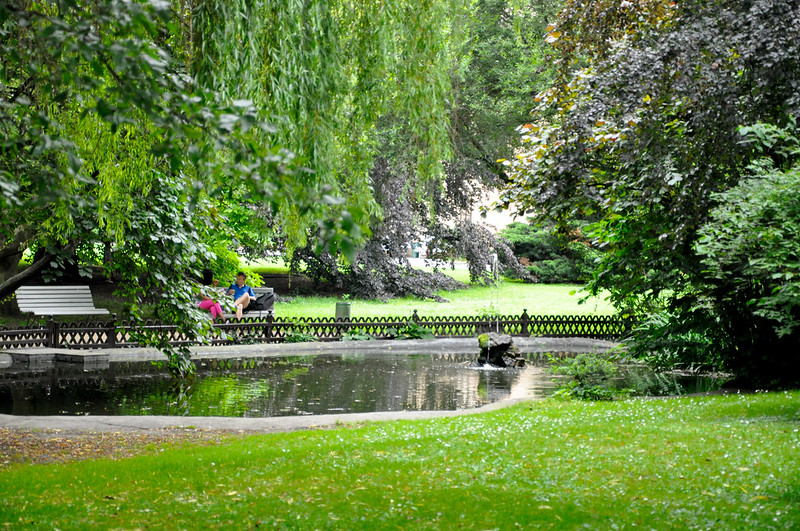
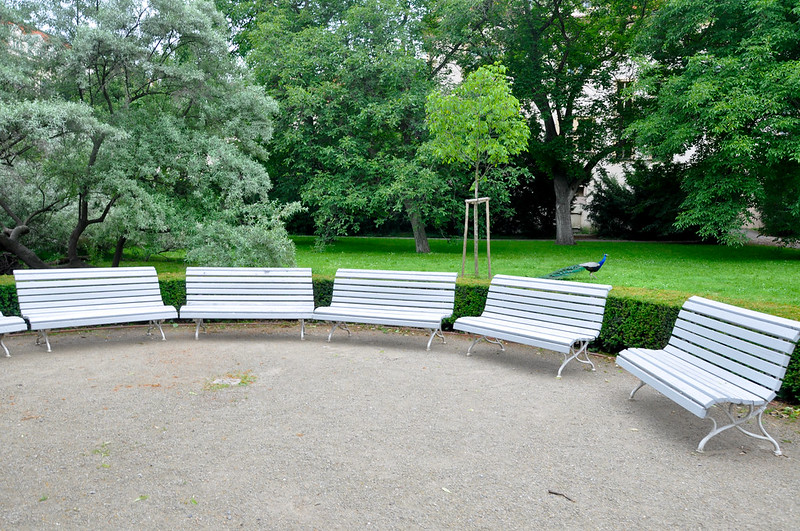
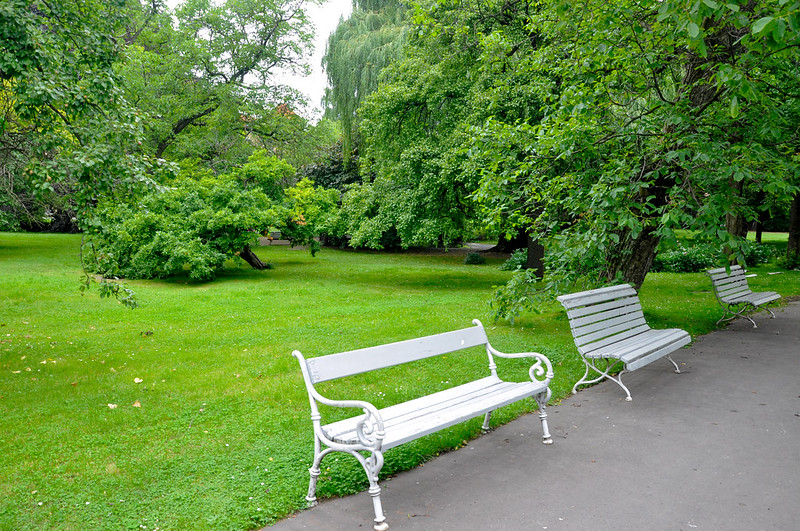
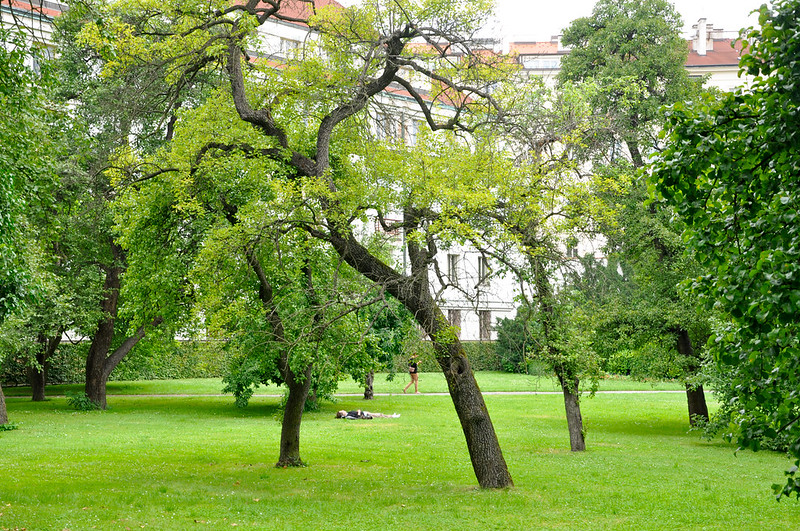
Em pleno bairro Malá Strana, não é muito grande e não é dos mais conhecidos, dizem que é um dos favoritos dos locais exactamente por isso porque podem aproveitar este espaço para fugir ás multidões de turistas que como nós invadem esta zona de Praga rica em história e arquitetura. Fazia parte de um convento e ao longo do tempo foi-se transformando neste belo parque de estilo Inglês com extensos relvados, árvores, bancos e até pavões.
 
Right in the neighborhood of Malá Strana, is not very big and is not the most popular, they say it is a locals favorite exactly why because they can take this opportunity to escape the crowds of tourists like us that invade this part of Prague rich in history and architecture. It was part of a convent and over time has been transformed in this beautiful English-style park with lawns, trees, benches and even peacocks.


Morada: U Lužického semináře 43/17
Metro: Malostranská station

Our guide:


XINITO – MAJADAHONDA, ESPANHA

Há algum tempo que tínhamos deixado as descobertas culinárias na zona onde vivemos, preferimos ir até Madrid, comida e um passeio é um bom plano para “desligar” no fim de semana. Mas voltámos a Majadahonda porque há alguns restaurantes que estão a da que falar, um é o Ochenta e o outro é este Xinito ambos junto ao Monte del Pilar excelente para passeios em familia. O Xinito parecia ter nome de asiático barato mas ao entrar chegamos a um restaurante moderno, com uma decoração simples se não contamos com um dragão gigante pendurado no tecto.
For some time we had left the culinary discoveries in the area where we live, we prefer to go to Madrid, food and a nice walk is a good plan to “turn off” in the weekend. But we returned to Majadahonda because there are some restaurants that are in everyone’s mouth, one is the Ochenta and the other is this one, Xinito both near the Monte del Pilar excellent for walks in family. The Xinito seemed to have a name of a cheap asian but on entering we come to a modern restaurant with a simple decoration except for the giant dragon hanging from the ceiling.

Continue a ler “XINITO – MAJADAHONDA, ESPANHA”

MARIETA – MADRID, ESPANHA

Este post foi escrito pela M do blog: http://pasteldenataetapas.blogspot.com.es/. Obrigada pela colaboração 🙂
This post was written by M from the blog: http://pasteldenataetapas.blogspot.com.es/. Thank you 🙂
É a terceira colaboração da M no blog desta vez sobre o nosso almoço no Marieta um dos restaurantes da moda em Madrid, dos mesmos donos do igualmente famoso Pipa & Co.. Eu pessoalmente já tinha ido algumas vezes e é dos que gosto de repetir.
It is M’s third collaboration and this time it is about our lunch at Marieta one of the trendy restaurants in Madrid, of the same owners of the equally famous Pipa & Co .. I personally had go a few times and it’s one of those I like to repeat.

Continue a ler “MARIETA – MADRID, ESPANHA”