do: PLACE DU PANTHÉON – PARIS, FRANÇA

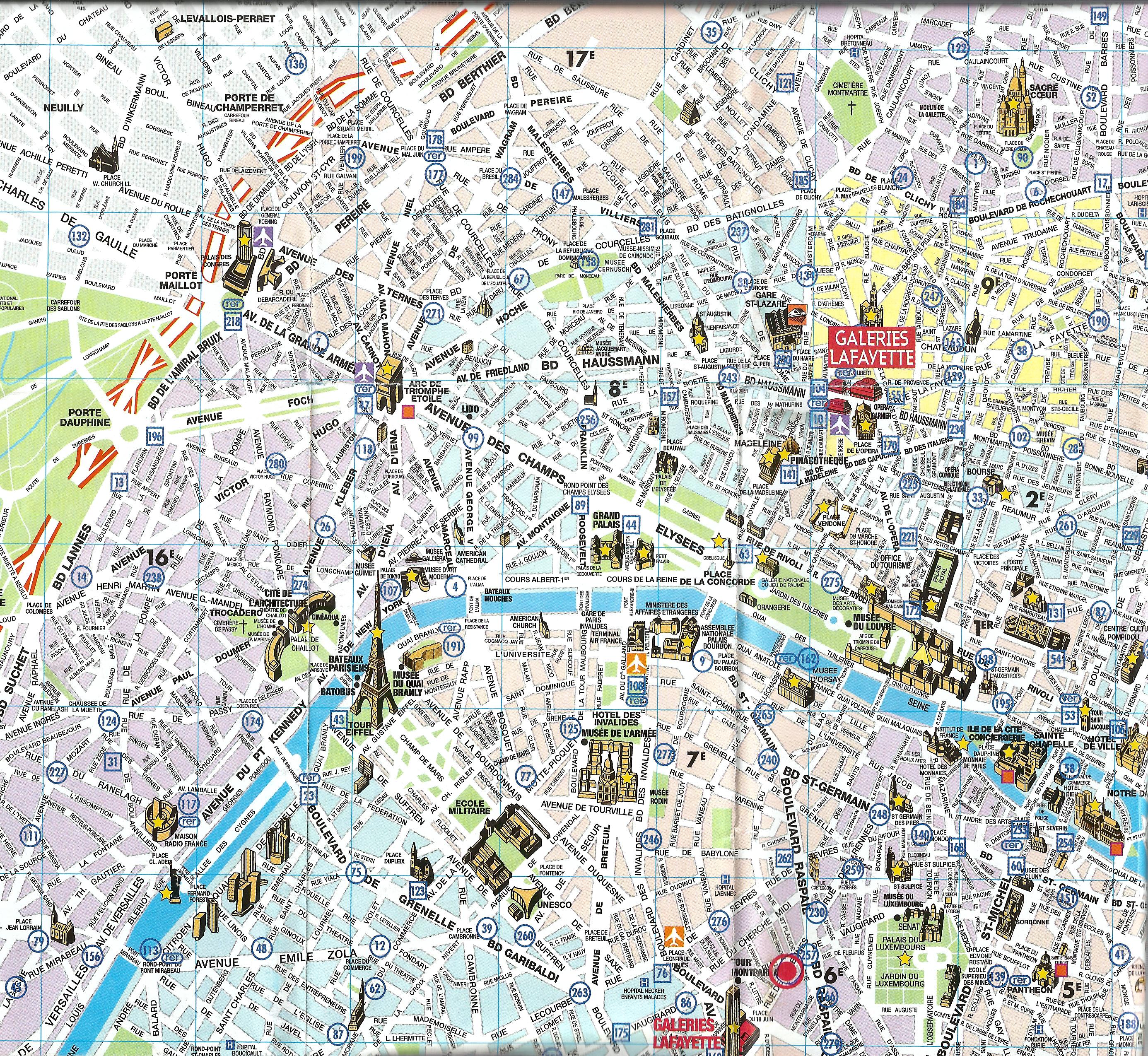
Antes de chegar a esta praça tínhamos passeado pelo Jardin du Luxembourg e enquanto atravessávamos a Rue Soufflot vimos um edificio de elevada relevância e que pela sua arquitectura nos dizia que era o Panteão.

Decidimos subir a rua até á Praça do Panteão e contemplar o edificio que lhe dá o nome. Tínhamos pouco tempo acabámos por não entrar mas aproveitámos para apreciar a sua fachada e os detalhes da sua decoração exterior. Lá dentro as campas de Victor Hugo, Voltaire, Émile Zola, Marie Curie, Louis Braille entre tantos outros.

Before reaching this square had walked through the Jardin du Luxembourg and as we crossed the Rue Soufflot we saw a building of high relevance for its architecture and something told us it was the Pantheon.
We decided to go up the street to the square of the Pantheon and contemplate the building that gives it its name. We had little time but we ended up not entering but we were able to appreciate its façade and the details of it’s outdoor decor. Inside are the graves of Victor Hugo, Voltaire, Emile Zola, Marie Curie, Louis Braille among others.

De arquitectura neo-clássica e construído no século XVIII, tem na sua fachada a inscrição:”Aux grands hommes la patrie reconnaissante”, creio que dispensa tradução, é sem dúvida a mais simples descrição da utilização de um Panteão, o reconhecimento de grandes personalidades de um país, pena que só diga “hommes” já que estão mulheres também ainda que uma minoria se compararmos com o número de homens.
 
Neo-classical arquitectura was built in the eighteenth century has on its façade  the inscription: Aux grands hommes la patrie reconnaissanteI believe that dispenses translation, is undoubtedly the simplest description of the use of a Pantheon, the recognition of a country’s greatest personalities, shame we only say “hommes” since women are also still a minority when compared to the number of men.

Mas mesmo que seja o centro das atenções da praça á qual empresta o nome, se olharmos á volta vemos que o Panteão não é único pedaço da história francesa que ali encontramos. Estão aqui edificios que pertencem ás Universidade de Paris ou a Sorbonne que se estendem desde a Soufflot até ao Panteão onde vemos a fachada da Faculdade de Direito.
Do lado oposto ao edificio da Faculdade um outro similar onde funciona o Mairie du Ve Arrondissement uma espécie de Câmara Municipal que gere o Ve Arrondissement que compreende a zona do Panteão e La Sorbonne.
 
But even if it is the center of attention of the square which lends the name, if we look around we see that the Pantheon is not single piece of French history we find there. Here are buildings belonging to the University of Paris or the Sorbonne extending from the Soufflot to the Pantheon where we see the facade of the Faculty of Law.
Opposite the building of the Faculty a similar one where the Mairie du Ve arrondissement has it’s office a sort of town hall which manages the Ve arrondissement which includes the area of ​​La Sorbonne and Pantheon.

Our guide of:

Palácio do Louvre – Paris, França

Fazer uma “road trip” tem vantagens e desvantagens principalmente se o planeamento não é bem feito. Como o lema era pararmos onde nos apetece, passar por Paris significava não ter uma agenda definida, assim que quando decidimos visitar o Louvre fomos tão ingénuos ao ponto de pensar que não íamos apanhar uma grande fila para entrar. Pois estava uma para entrar e outra para comprar bilhete. Tínhamos um dia e meio em Paris e acabámos por aproveitar só o exterior do Louvre (duas vezes em Paris continuo sem entrar no museu).
Make a road trip has advantages and disadvantages especially if planning is not done well. As our motto was to stop where we please, pass through Paris meant not having a set agenda, so when we decided to visit the Louvre were so naive as to think that we were not going to catch a big queue to get in. There was a queue a go in and another to buy the ticket. We had a day and a half in Paris and we ended up just enjoing the exterior of the Louvre (I’ve been to Paris twice and still haven’t entered the museum).

Continue a ler “Palácio do Louvre – Paris, França”

Centro Georges Pompidou – Paris, França

Inaugurado em 1977, este centro nacional de arte e cultura é já um marco de Paris. Com a sua arrojada arquitectura, animação nas praças e ruas circundantes, é díficil ficar indiferente, no nosso guia podia ler-se que é como se fosse um edificio virado do avesso, onde as tubagens e condutas funcionam também como elementos decorativos.
Opened in 1977, this national center of art and culture is already a landmark of Paris. With its bold architecture, animation and plazas surrounding streets, it’s hard to remain indifferent, in our guide we could read that it’s like a building turned inside out where pipes and conduits also function as decorative elements.

Continue a ler “Centro Georges Pompidou – Paris, França”

Trocadéro – Paris, França

6053535628_0e349f86c8_b

Trocadéro é mais que uma praça ou um dos melhores miradouros para apreciar a Torre Eiffel. Nesta zona podemos ver o impressionante Palais de Chaillot e algumas memórias da Primeira Guerra Mundial.

Trocadero is more than just a square or a place to go for a better view of the Eiffel tower, this is were you can see the impresive Palais de Chaillot and some memories of the World War I.

Continue a ler “Trocadéro – Paris, França”

Café Montparnasse – Paris, França


Fica na Praça 18 de Junho de 1940, muito próximo do hotel onde ficámos (Best Western Aramis) e foi o espaço perfeito para comermos sem grandes deslocações depois de um compensador, mas estafante dia, a passear pela cidade.
Na realidade até procurávamos um local onde comer algo mais simples, uma salada ou do género porque com tantos dias de “road trip” a comer muitas vezes pelo caminho ou a experimentar todo o tipo de delicias culinárias, queríamos algo mais “light”.

Located in the Square 18th of June 1940, very close to the hotel where we stayed (Best Western Aramis) and was the perfect place to eat without walking to much after a rewarding but exhausting day of sightseeing.
And also we were looking for a café to eat something simple, a salad or something because with so many days of “road trip” often eating along the way or trying all sorts of culinary delights, we wanted something more light.

Continue a ler “Café Montparnasse – Paris, França”

Place de la Concorde – Paris, França

Entrámos na maior praça de Paris de bicicleta e tivémos que fazer ali uma paragem para a contemplar. Pensar que naquele mesmo espaço estava instalada a famosa guilhotina (“The Black Widow”) que cortou as cabeças do Rei Luis XVI e de Marie Antoinette não deixa de ser arrepiante, no entanto hoje em dia nada faz adivinhar o seu passado.
No século XIX, o vice-rei do Egipto oferece o obelisco que hoje define a praça. Veio de Luxor do templo de Ramsés II e acabou por dissipar todas as dúvidas sobre o que fazer na Praça da Concórdia.

We have entered the largest square in Paris by bike and we had to make a stop there to contemplate. To think that in the same space it was installed the famous guillotine (“The Black Widow”) who cut the heads of King Louis XVI and Marie Antoinette is nonetheless chilling, however today does nothing to guess your past.
In the nineteenth century, the viceroy of Egypt offers the obelisk that now defines the square. Came from Luxor Temple of Ramses II and eventually dispel all doubts about what to do in the Place de la Concorde.

Continue a ler “Place de la Concorde – Paris, França”

sleep: BEST WESTERN ARAMIS – PARIS, FRANÇA

Ao procurar por um hotel em Paris tínhamos dois requisitos: que fosse central mas que não fosse colado a nenhum dos principais monumentos da cidade. Apesar de tudo, queríamos alguma tranquilidade para chegar ao hotel.
Paris fazia parte do nosso roteiro da viagem de carro que estávamos a fazer, era a cidade mais importante a visitar e por isso decidimos não arriscar e marcar o hotel a partir da última cidade onde estivémos. Fomos ao Booking e o melhor preço que encontrámos para o que queríamos levou-nos ao Best Western Aramis que fica na zona de Saint-Germain. 
When looking for a Paris hotel we had two requirements: it had to be central but not glued to any of the major monuments of the city. After allwe wanted some tranquility to reach the hotel.
Paris was part of the roadmap of the road trip we were making, it was the most important city to visit and so we decided not to risk it and book an hotel from the last city we stayed in before coming here. We went to ¡Booking and the best price we found for what we wanted lead us to the Best Western Aramis which is in the SaintGermain area.

Não nos arrependemos, o bairro é muito simpático e a Rue de Rennes tinha suficientes cafés para tomarmos o pequeno-almoço sem pagar esse extra no hotel. Por dentro pareceu-nos o típico hotel de Paris mas simples, sem grandes luxos e não era muito grande. O nosso quarto não era muito grande mas era confortável. Verdade seja dita, passámos muito pouco tempo no hotel. O preço foi 100€ por noite mais as taxas de 2€, não achámos particularmente barato mas quando andámos á procura este foi o que apresentava melhor preço/qualidade. 

We didn’t regret it, the neighborhood is very friendly and Rue de Rennes had enough coffee houses to have breakfast without paying extra in this hotel. Inside it seemed the typical Paris hotel but simple, without great luxuries and it was not very big. Our room was not very large but it was comfortable. Truth be told, we spent very little time in the hotel. The price was 100 per night plus 2€ of extra rates, not particularly cheap but we felt when we were looking for one that this was the best price / quality.
 
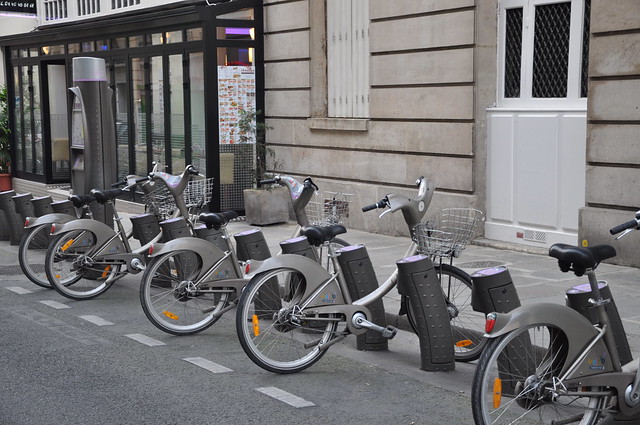
Tinha numa rua perto um estacionamento pago onde deixámos o carro, não foi muito caro porque alguns dias não se pagava. Além disso a uns 300 metros está um posto da Vélib o que nos permitia ir de bicicleta para qualquer lado. 
It had a street near a pay parking where we left the car, was not very expensive because some days were free. In addition in about 300 meters there was Vélib post which allowed us to bike everywhere.
 
 
Morada: Rue de Rennes 124
Metro: Saint-Placid

Our guide of:
http://hojeconhecemos.blogspot.com.es/2001/11/guia-de-paris.html


do: VÉLIB PARIS – FRANÇA

O que sempre invejei em algumas cidades europeias foi o facto de quem lá vive circular por elas de bicicleta. Mas Lisboa tem o seu traçado único, não lhe chamam a cidade das 7 colinas porque lhe fica bem mas sim porque de facto, há umas boas subidas (e descidas) e porque não foi trabalhada nesse sentido.
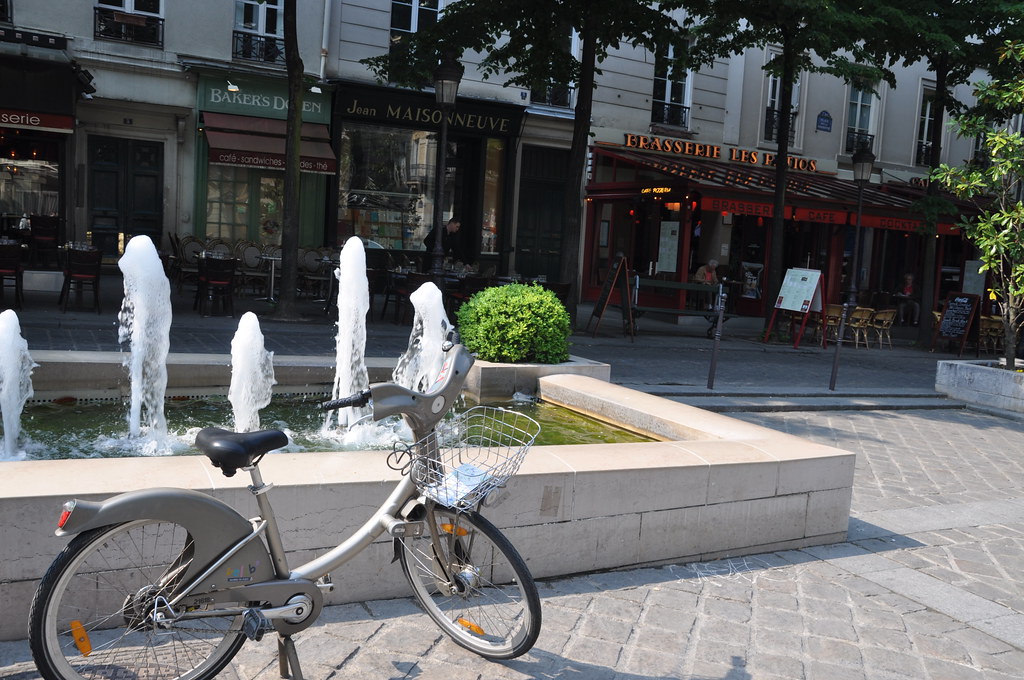
Quando visitámos Paris e vimos o sistema Vélib percebemos que tínhamos ali a nossa oportunidade ainda que por um ou dois dias de viver essa experiência de nos deslocarmos pela cidade com esse meio de transporte, mais saudável e menos poluente.

What I always envied in some European cities was the fact that those who live there can go aroung it in their bikes. But Lisbon has its unique layout, it’s not called the city of 7 hills because it is right but because in fact, there are good climbs (and descents) and because it wasn’t built accordingly.
When we visited Paris and saw the Vélib system we realized it was our chance even for a day or two to live this experience, move around town with this transport, healthier and less polluting.

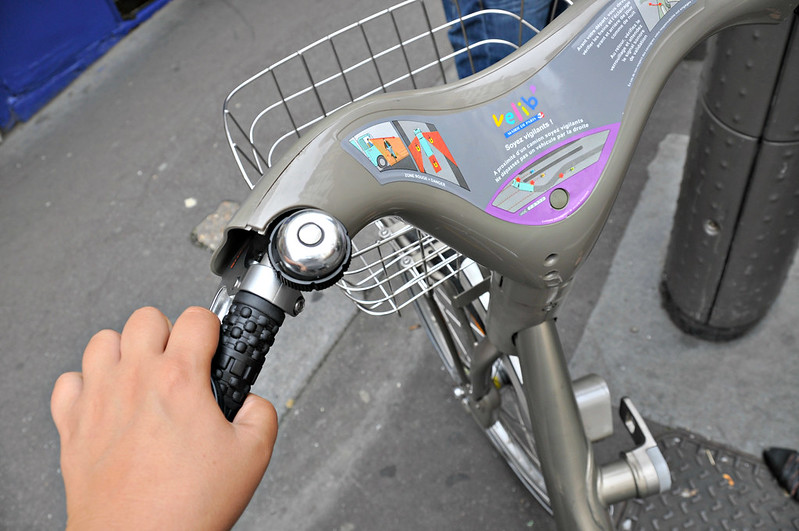
O sistema que ao principio parece algo complicado é na realidade bastante simples. Quem vive na cidade pode pedir um cartão e é com ele que tira as bicicletas, só tem de o encostar ao leitor da bicicleta que quer. Os primeiros 30 minutos são grátis, uma vez que se trata de um incentivo á sua utilização para voltar a ter mais gente na cidade que carros. Estudantes, gente que se desloca para o trabalho, de todos os tamanhos, feitios e idades aproveitam a borla do 30 minutos para pequenas deslocações…livres do stress do trânsito ou de saber onde estacionar. 

The system that at first seems tricky is actually quite simple. Who lives in the city can apply for a card and it is used to take away the bikes, simply touch the reader of the bike you want. The first 30 minutes are free, since it is an incentive to use to return to more people in town than cars. Students, people who move for work, of all sizes, shapes and ages enjoying the tassel of 30 minutes for small displacements free from the stress of traffic or know where to park.
Mas são também uma opção prática para os turistas, principalmente para os que querem aproveitar a cidade no seu todo e não andar debaixo de terra um dia inteiro. Para nós, o sistema é outro, pagamos para ter um código, temos que passar o cartão de crédito e sai um papelinho que guardamos sempre, nele estão os digitos que colocamos na máquina para tirar as bicicletas (fizémos tudo na máquina, não fizémos online). O mesmo esquema, os mesmos preços.
 
But they are also a practical choice for tourists, especially for those who want to enjoy the city as a whole and not to walk under the ground all day. For us, the system is another, we pay to have a code, passing the credit card comes out a piece of paper that we keep at all time, it is the digits we put in the machine to make the bikes (we did everything on the machine, we did not online ). The same scheme, the same prices.
 
Eles garantem terem postos de 300 em 300 metros e mesmo ao virar da esquina do nosso hotel lá estava um. Têm um senão, em locais muito turísticos costumam estar cheios pelo o que deixar a bicicleta implica procurar outro posto e outro e outro. Muita gente stressou com isso, mais os locais.
E atenção com as instruções, é muito importante segui-las, acho que falhei um passo e a bicicleta ficou bloqueada. A linha de atendimento só falava em francês e tivémos que pedir a ajuda a um local para falar com o senhor para desbloquear a situação.
Para mim uma das melhores maneiras (e mais económicas) de conhecer Paris.
 
They guarantee to have 300 posts in 300 meters and just around the corner from our hotel there was one. It has a catch, in very tourist places usually the spots are filled which means you have to look for another place to leave the bike and another and another. Many people stressed with it, mostly the locals.
And pay attention to the instructions, it is very important to follow them, I think I missed a step and the bicycle was locked. The hotline only spoke French and we had to ask for help with a local to talk to company to break the deadlock.
For me one of the best ways (and more economical) to see Paris.


Website: http://en.velib.paris.fr/

Our guide of:
http://hojeconhecemos.blogspot.com.es/2001/11/guia-de-paris.html


do: HÔTEL DU VILLE – PARIS, FRANÇA

Este fantástico palácio do século XIX, localizada na Praça com o seu nome, é um edificio público que funciona como Câmara Municipal, ou seja é aqui que trabalha a administração da cidade de Paris.
Foi sempre esta a sua localização ainda que com um edificio diferente, o que estava antes era do século XVII e foi destruído por um incêndio durante a insurreição popular de 1871.
 
This fantastic nineteenth century palace, located in the Plaza with its name, is a public building that serves as town hall, it is here the administration of the city of Paris.
This was always it’s location but with a different building, the one that was here before was from the seventeenth century and was destroyed by fire during the uprising of 1871.

A sua praça é ampla, ao fundo está um típico carroussel.
Dois anos depois, em 1873, começavam as obras para reconstruir o edificio. A sua fachada é impressionante, principalmente pela quantidade de detalhes e pormenores decorativos nela colocados.
Junto ao relógio podemos ver as palavras: “Liberté, Egalité e Fraternité”, o lema da Revolução Francesa e que se mantém até aos dias de hoje.
Os portões ornamentados, os candeeiros de rua igualmente trabalhados, são apenas alguns desses pormenores que podemos apreciar. 
 
Its square is wide, in the background is a typical carousel.
Two years later, in 1873, the work began to reconstruct the building. Its façade is impressive, especially the amount of detail and decorative items made ​​it.
Next to the clock we can see the words “Liberte, Egalite and Fraternite“, the motto of the French Revolution and remains until the present day.
The ornate gates, the street lamps also worked, are just a few details that we can appreciate.


Também na fachada estão duas estátuas, uma representa a Ciência e a outra a Arte.

Ali perto vemos a Torre de Saint-Jacques, o único vestigio de uma igreja medieval do século XVI. Hoje utilizada como laboratório meteorológico e na sua base está uma estátua de Blaise Pascal, um cientista do século XVII que utilizava a torre para as suas experiências. Tem 52 metros de altura.
 
Also on the front are two statues, one representing Science and the other Art.
Nearby we see the tower of Saint-Jacques, the only vestige of a medieval church of the sixteenth century. Today used as a meteorological laboratory and at its base is a statue of Blaise Pascal, a seventeenth-century scientist who used the tower to his experiences. Is 52 feet tall.
 

Our guide of:
http://hojeconhecemos.blogspot.com.es/2001/11/guia-de-paris.html