shop: A VIDA PORTUGUESA – PORTO, PORTUGAL

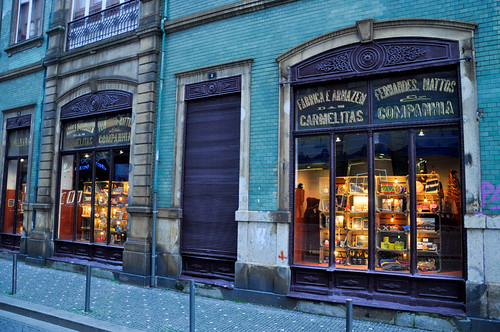
Depois de disfrutar da fantástica vista sobre o Porto que a Torre dos Clérigos proporciona encontramos a montra de uma loja de visita obrigatória: A Vida Portuguesa. Pode parecer cliché mas é realmente uma viagem ao passado e basta olhar para a montra para regressar á minha infancia.
Não é apenas uma loja é uma homenagem aos productos nacionais e uma agradável surpresa ver que muitos ainda hoje sobrevivem para contar a sua história.
 
After enjoying the fantastic views of Porto provided by the Clérigos Tower we found the window of a shop which visit is mandatory: “A Vida Portuguesa”. It may sound like a cliché but it really is a trip to past and just looking at the store window made me return to my childhood.
This is not just one store it’s a tribute to national products and a pleasant surprise to see that many still survive to tell their story.
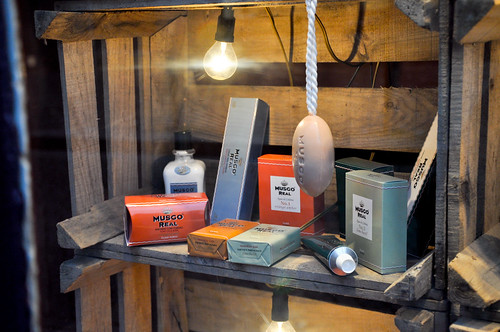
Chamaram-me logo a atenção os sabonetes Musgo Real, não que fosse marca que entrasse lá em casa, lá era mais sabão azul mas ainda resiste desde 1920 e que continua com aquela imagem impecável. Os chocolates Regina (que agora me dizem que se vendem nos supermercados outra vez), as conservas Tricana, as pastilhas Gorila, aquelas louças em forma de couve que a minha mãe tinha umas quantas e que decidiram deitar fora. E não me posso esquecer da Pasta de dentes Couto que quando era miúda e ajudava na loja da minha irmã ficava surpreendida de ainda se vender…e bem!
 
The  Musgo Real soaps called my attention right away, it was not a brand that we had at home, there was more blue soap (old cheap blue soap) but  it resists since 1920 and it continues with that flawless image. The chocolates Regina (now some say me that they are sold in supermarkets again), canned Tricana, Gorilla gums, those dishes in the form of cabbage that my mother had a few and decided to throw out. And I can not forget Couto Toothpaste that when I was a kid and helped my sister in the store I was surprised tthat they were still being sold  and well!
É de visita obrigatória principalmente para voltarmos a ter orgulho nas nossas marcas, para valorizar as que ainda hoje lutam num mercado que está cada vez mais (e pelas circunstancias económicas) orientado para o preço baixo a qualquer custo.
 
Visiting it is mandatory specially to regain pride in our brands, value those that today are still fighting in a market (that due to the economical circumstances) is more Price driven at any cost.


Website: http://www.avidaportuguesa.com/pre.php?lng=pt
Morada: Rua Galeria de Paris nº20 1º andar (perto da Torre dos Clérigos). Também têm loja em Lisboa.

Mais posts/More posts:

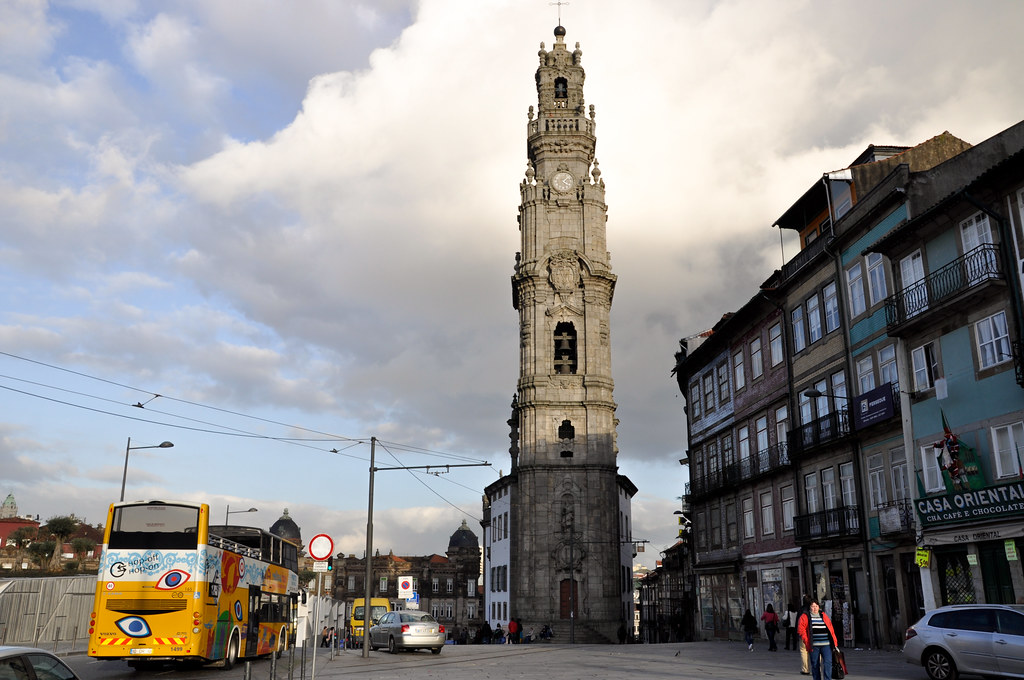
Torre dos Clérigos – Porto, Portugal

Quando foi construída em 1763 era a torre mais alta de Portugal com 75 metros de altura. Pertence á Igreja dos Clérigos foi criada pelo italiano, Nicolau Nasoni que na altura do projecto tinha a intenção de construir duas torres. Mas não é o facto de ser alta, ou de ser um excelente exemplar do barroco na cidade que a torna mais relevante mas sim quando chegas ao seu topo e tens uma vista 360º do Porto.
When it was built in 1763 it was the highest tower in Portugal with 75 meters high. It belongs to the Church of the Clergy (Clérigos) and it was created by the Italian Nicolau Nasoni that at the time intended to build two towers. But is not the fact of being high, or being an excellent example of the Baroque in the city that makes it more relevant but when you get to the top and you have a 360 º view of Porto.

Continue a ler “Torre dos Clérigos – Porto, Portugal”

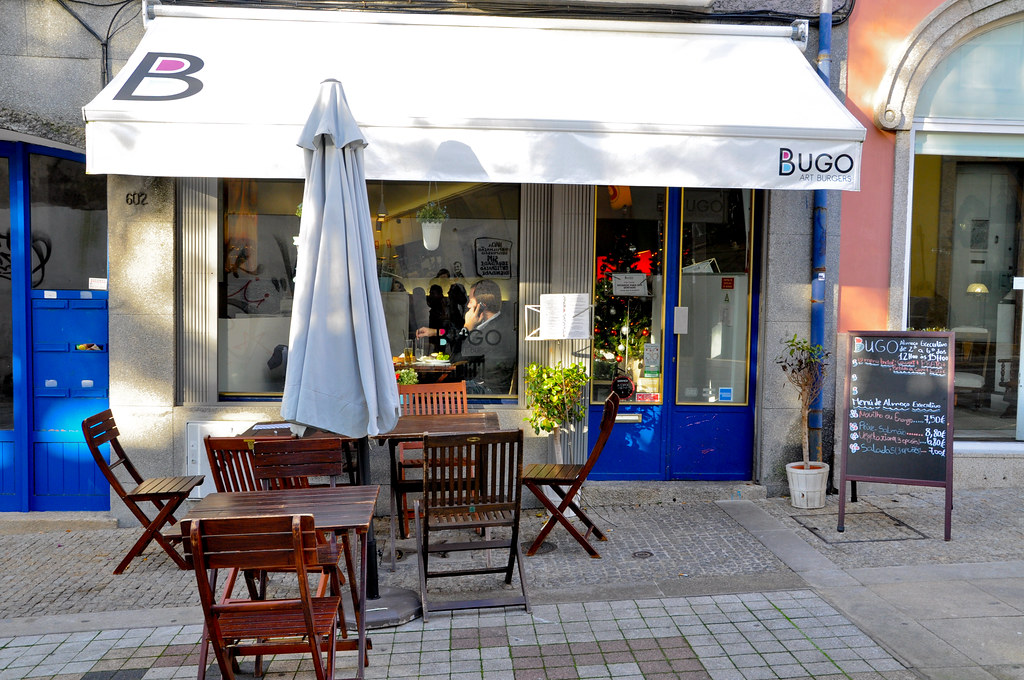
Bugo Art Burgers – Porto, Portugal

Os hamburguers (sem ser os de fast-food) estão na moda, em Madrid estão á algum tempo em Portugal não saberia dizer mas do pouco que vejo tanto em Lisboa como no Porto já começam a aparecer restaurantes dedicados á arte de servir um bom hamburguer. Talvez seja culpa do Marshall do “How I Met Your Mother” e do seu discurso sobre o melhor hamburguer de Nova Iorque onde dizia: “This is no mere sandwich of grilled meat and toasted bread, Robin. This is God, speaking to us in food”.
 
The burgers (without the fast-food) are in fashion, there are for a while in Madrid and in Portugal I can’t really tell but for the little I see of both Lisbon and Porto it’s already starting to open restaurants dedicated to the art of serving a good burger . Maybe it’s the fault of Marshall’s from “How I Met Your Mother” and his speech on the best burger in New York where he said: “This is no mere sandwich of grilled meat and toasted bread, Robin. This is God, speaking to us in food “. 

Continue a ler “Bugo Art Burgers – Porto, Portugal”

Estação de S. Bento – Porto, Portugal

Deixemos os livros de história para trás, aqui ela ganha vida no grande conjunto de azulejos de Jorge Colaço que estão no átrio de acesso ás linhas dos comboios. É talvez o melhor cartão de boas vindas ao centro da cidade para quem viaja por este meio de transporte.

Let the history books behind you, here it comes alive on the big set of tiles by Jorge Colaço that are in the lobby that gives access to the railways. It is perhaps the best welcome of the city center for those traveling by this transportation mode.

Continue a ler “Estação de S. Bento – Porto, Portugal”

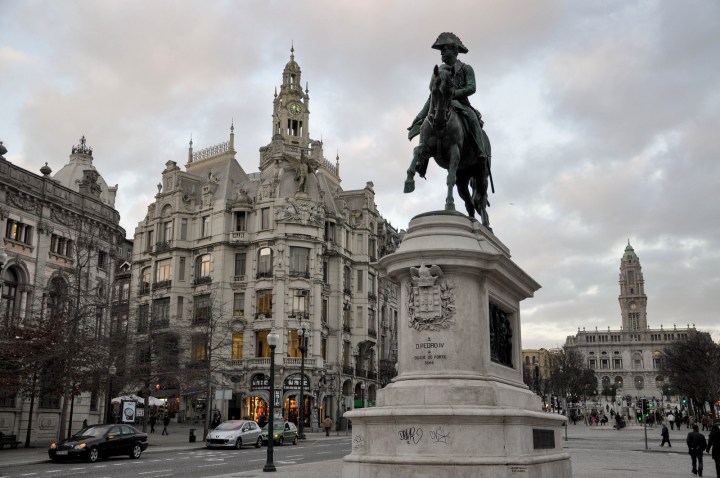
Avenida dos Aliados – Porto, Portugal

8370179206_310f1411cb_h
Uma das avenidas mais animadas no Porto que rodeia praças emblemáticas que se enchem de gente de passagem ou de passeio. O seu nome serve de homenagem aos Aliados da Primeira Guerra Mundial, mas há mais referências históricas como por exemplo a Estátua Equestre de D. Pedro IV que esta colocada na Praça da Liberdade e onde se pode ler numa das placas que está dedicada aos mártires da patria executados em 1829.
One of the liveliest streets in Port surrounds important squares that get filled with people crossing or walking by. It’s  name serves as a tribute to the Allies of World War I, but there is more another historical references such as the Equestrian Statue of King Pedro IV placed on the Liberade Square and where you can read one one of the signs that it’s dedicated to the martyrs of the homeland executed in 1829.

Continue a ler “Avenida dos Aliados – Porto, Portugal”

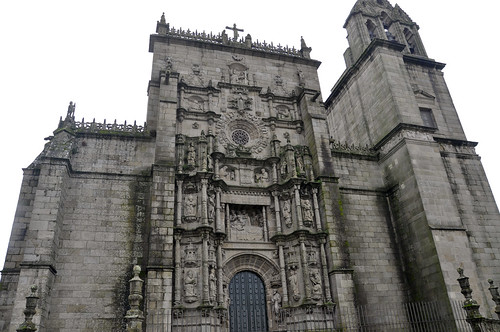
do: BASÍLICA DE SANTA MARIA – PONTEVEDRA, ESPANHA

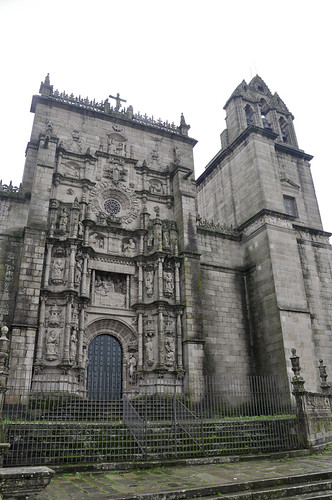
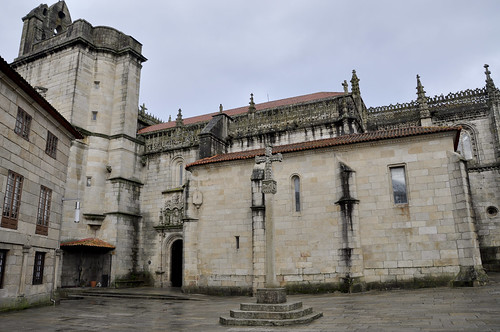
Fazendo o Caminho Português para Santiago que passa pelo centro histórico de Pontevedra começámos a ver as pequenas placas que indicavam o caminho para a Real Basílica de Santa Maria a Maior.
A sua construção no século XVI foi promovida por um grémio de marinheiros do bairro da Moureira. No seu interior a imagem do Santo Cristo del Buen Viaje era paragem obrigatória antes de partirem nos seus barcos.

Following the Portuguese Way to Santiago passing through the historic center of Pontevedra we started to see small signs indicating the way to the Royal Basilica of St. Mary Major.
Its construction in the sixteenth century was promoted by a guild of sailors from the Moureira neighborhood.Inside the image of the Santo Cristo del Buen Viaje was a mandatory stop before heading to their boats.

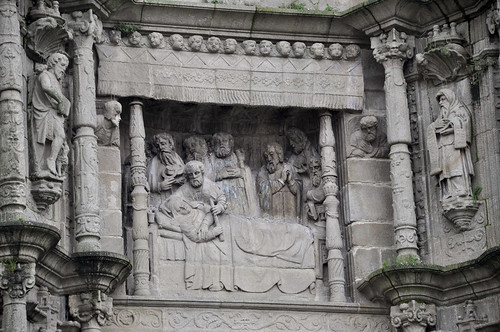
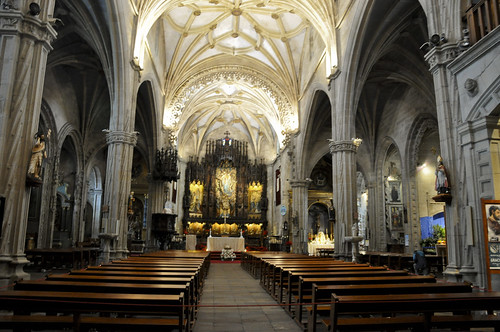
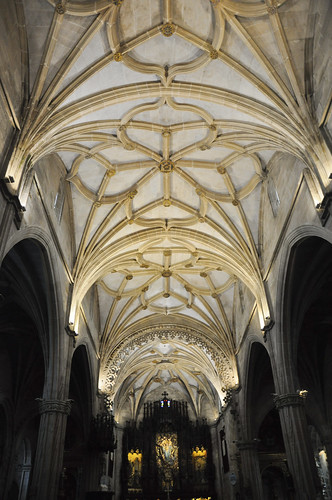
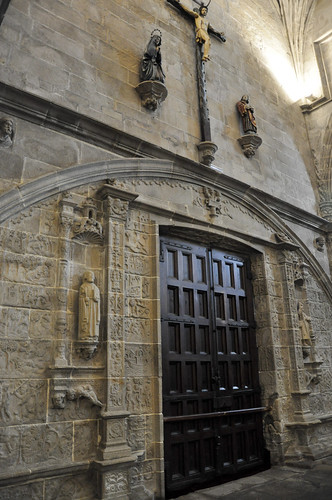
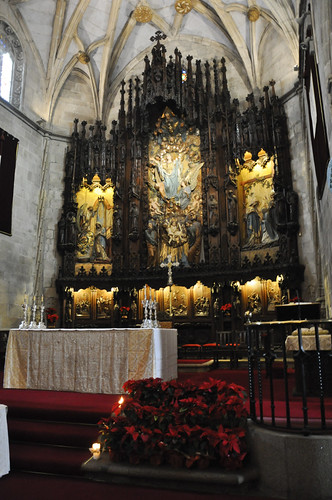
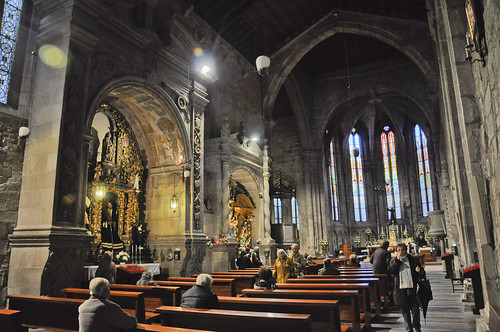
Há uma mistura de estilos gótico (tardio) e renascimento sendo a fachada principal do estilo plateresco criada por um português João Nobre e por Cornelis de Holanda. No seu interior podemos ver o tecto decorado que foi do que mais gostei na Basílica assim como a luminosidade que realça o retablo colocado no altar.

There is a mix of Gothic (Late) and Renaissance being the main facade of plateresque style created by a Portuguese by John Noble and Cornelis de Holanda. Inside we can see that the decorated ceiling it’s what I liked most in the Basilica as well as the light enhancing   the altarpiece placed on the altar.


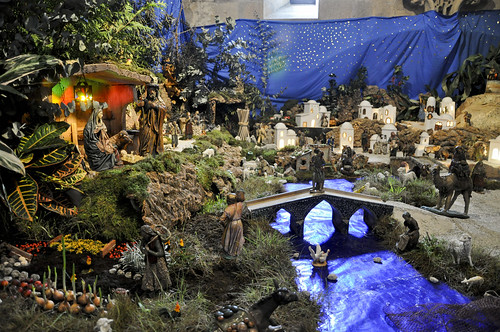
Visitar igrejas na época do Natal significa ver montado o Presépio ou o Belén (em espanhol). Na maioria dos casos são grandiosas e detalhadas representações de Belém e procuram ser uma réplica do local sagrado onde nasceu Jesus. Por isso há lagos, casinhas iluminadas, pessoas, animais, rios, pontes, hortas, moínhos, etc..

Visiting churches at Christmas time means seeing assembled the Nativity set or Belén (in Spanish). In most cases they are great and detailed representations of Bethlehem and seek to be a replica of the holy site where Jesus was born. So there are lakes, lighted houses, people, animals, rivers, bridges, gardens, mills, etc. ..
Mais sobre/More about:

do: CONVENTO DE SÃO FRANCISCO – PONTEVEDRA, ESPANHA

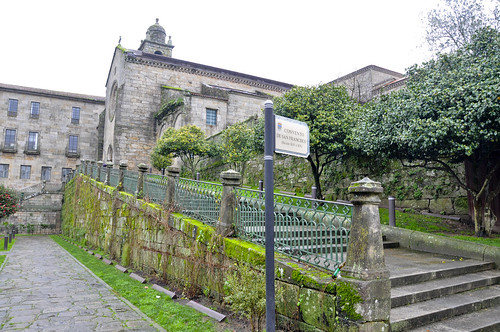
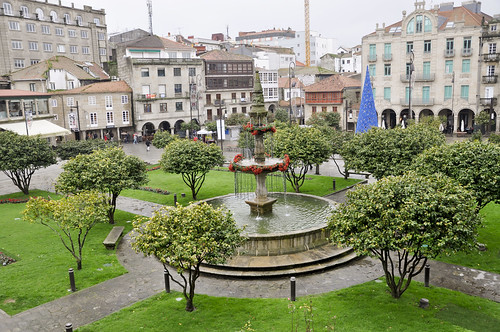
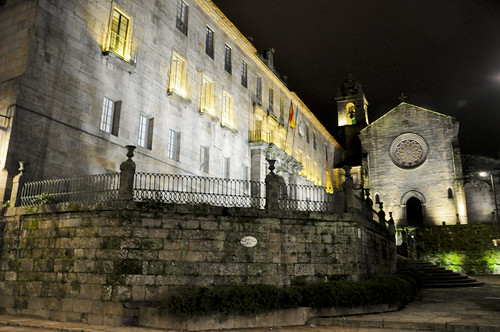
As placas indicam-te que está na presença do Convento mas na realidade o que podes visitar é Igreja, que foi o que sobreviveu. Está na mais importante praça de Pontevedra, a da Ferreria e ao subir os seus degraus podemos temos uma excelente vista sobre a mesma assim como o seu jardim e a fonte com o mesmo nome.
Há quem diga que foi o próprio S. Francisco de Assis que o terá fundado outros dizem que já existia quando este passou por Pontevedra a caminho de Santiago de Compostela.
The sign indicate that you are in the presence of the convent but in reality what you can visit is the Church, which is what survived. It’s located in the most important square of Pontevedra, in the Ferreria and when you climb its steps you have a great view of the same as well as it’s garden and the fountain with the same name.
Some say that it was the S. Francis of Asis founded others will say that it already existed when he went through Pontevedra on his way to Santiago de Compostela.

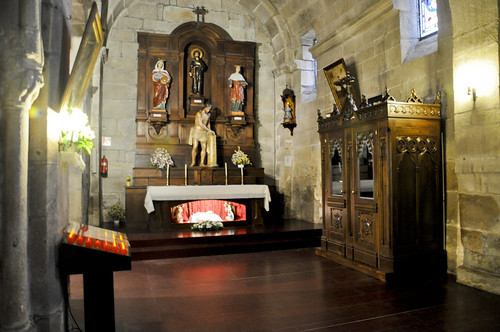
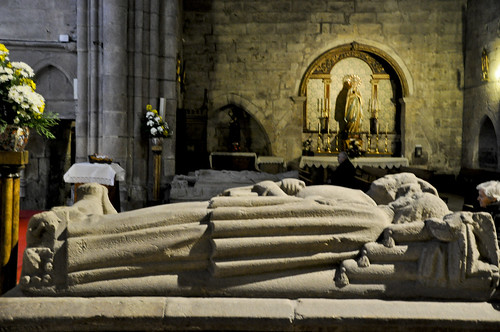
A primeira construção é do século XIII, contém dez capelas e junto ao altar estão os túmulos de dois casais dos quais um pertence a Paio Gómez Charino, um nobre galego que foi figura importante na reconquista de Sevilha aos mouros e um conhecido trovador.
A primeira capela que vemos fica á direita da entrada e é a do Santo Niño.
The first construction is from the thirteenth century, it contains ten chapels and close to the altar are the tombs of two couples of which one belongs to Palo Charino Gómez, a Galician nobleman who was an important figure in the reconquest of Seville from the Moors and a known troubadour.
The first chapel we see is is at the right of the entrance and is the Santo Niño.

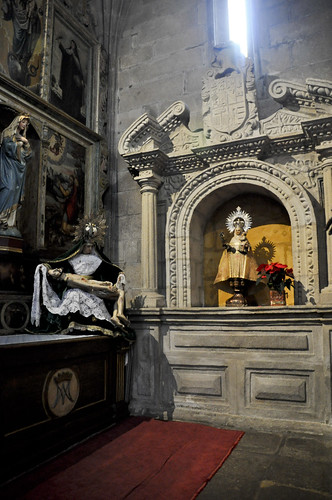
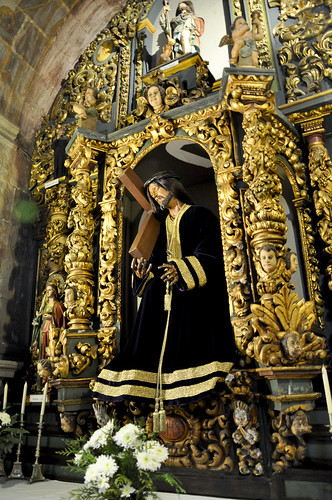
>>> Capela de Jesús Nazareno
Jesus of Nazareth Chapel
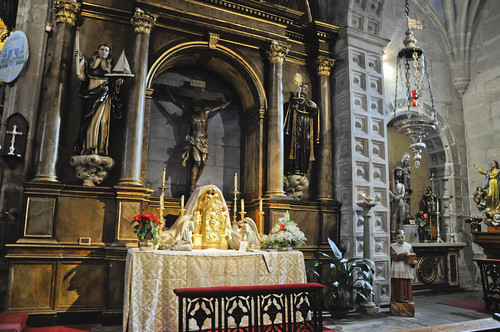
>>> Capela das Almas do Purgatório (Ánimas del Purgatório)
Chapel of the Souls of the Purgatory
>>> Vista para a Praça da Ferreria, com o Jardim e a Fonte da Ferreria.
Overlooking the Square Ferreria, with the Garden and the Fountain of Ferreria.
A entrada é gratuita. Free admission.
Mais sobre/More about:

Hotel Rias Bajas – Pontevedra, Espanha

8349278187_5de9f7beef_b
Para ficar em Pontevedra escolhemos através do Booking este hotel: Rias Bajas. Como sempre marcámos á última da hora e não sobravam opções centrais mais económicas que esta. Fica mesmo á entrada do centro histórico de Pontevedra numa zona comercial por isso a nossa escolha foi no alvo.
To stay in in Pontevedra we chose this hotel through Booking: Rias Bajas. As always we booked it last minute and with no more centric and economic options left. It is right at the entrance of the historic center of Pontevedra in a commercial district so our choice was spot on.
Continue a ler “Hotel Rias Bajas – Pontevedra, Espanha”

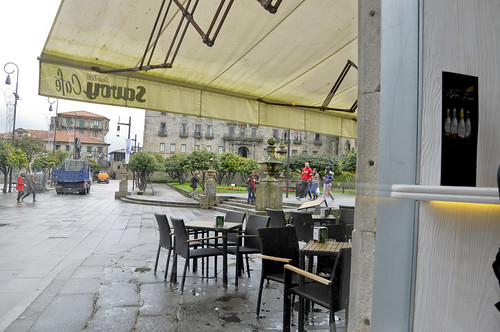
eat: SAVOY CAFÉ – PONTEVEDRA, ESPANHA

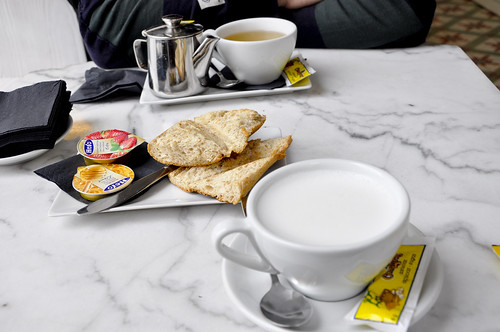
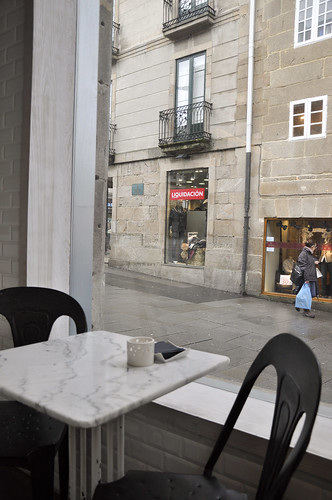
Em 2011 o histórico Savoy Café reabriu em Pontevedra após oito anos fechado. Se tivéssemos tido mais tempo na cidade este seria o sitio escolhido para almoçar mas como não era possível contentámo-nos como o pequeno-almoço.
Lugar de tertúlias viveu a sua época mais alta no final dos anos 30 e foi totalmente remodelado num estilo moderno. Apesar de gostar do seu interior penso que se tivessem conseguido recriar a decoração da sua época mais dourada poderia ser ouro sobre azul.
 
In 2011 the historic Savoy Café reopened in Pontevedra after being closed for eight years. If we had had more time in this city  it would be the site chosen for lunch but it was not possible and we are quite content with breakfast.
Place of gatherings lived his highest time in the late ’30s and has been fully renovated in a modern style. Although I like the inside I think if they had managed to recreate the decor of it’s golden time it would be the icing on the cake.


Quando entras e não sabes a sua história parece-te apenas um bar da moda muito recomendado pelas revistas ou guias de viagem, se sabes tomar aqui o pequeno-almoço torna o momento especial, não são apenas tostas com manteiga e doce, nem leite com chocolate é um pedacinho da cultura de Pontevedra.
Ficam por provar a salada russa, o escabeche de mexilhões da ria, entre outras iguarias muitas da região que agora são servidas em pequenas porções dando a possibilidade de provar mais coisas gastando menos.
E para completar a experiência, podemos sempre ocupar um lugar na esplanada (quando fomos tinha acabado de chover) e apreciar a vista para o centro histórico.
 
When you get in and you do not know it’s history you seem just a trendy bar highly recommended by travel guides or magazines, if you know it having breakfast here makes the moment special,  it’s not just a toast with butter and jam or milk chocolate it’s a bit of Pontevedra culture.
Next time we will have taste of the Russian salad, the marinated mussels from the estuary, among other delicacies many from the region which are now served in small portions giving the chance to try more things spending less.
And to complete the experience, we can always occupy a place on the terrace (when we went there it had just finished raining) and enjoy the view over the historical center.


Mais sobre/More about:

do: IGREJA DA PEREGRINA – PONTEVEDRA, ESPANHA

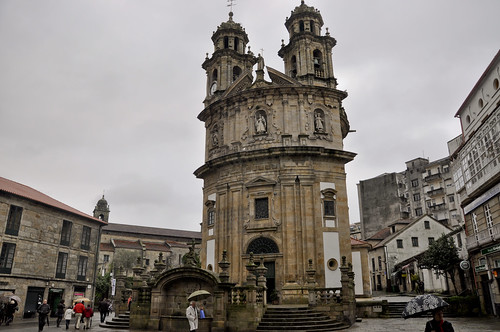
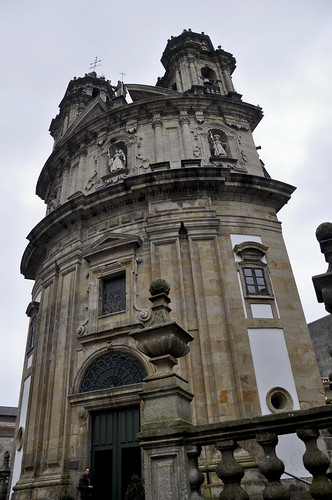
Numa competição das igrejas mais bizarras da Europa esta seguramente estaria no Top 10. Quando a vês da praça com o mesmo nome pensas que não está terminada que só fizeram a fachada e aos poucos enquanto andas vai revelando a sua forma. Dizem que é de inspiração Portuguesa e é um dos monumentos que marca o Caminho Português para Santiago que passa mesmo no coração de Pontevedra.
 
In a bizarre competition ofchurches of Europe this surely would be in the Top 10. When you see it from the square with the same name you think it might not be finished that they only did the façade and slowly as you walk will reveal its shape. They say it’s of portuguese inspiration and it is one of the monuments that marks the Portuguese Camino to Santiago that goes through the very heart of Pontevedra.

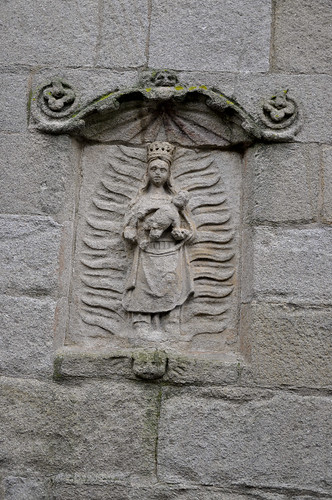
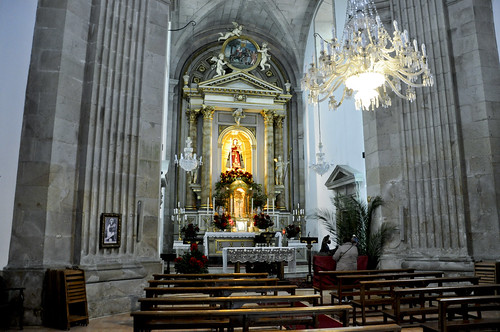
É também conhecida por Capela ou Santuário da Virgem Peregrina ou Virxen Peregrina em galego. Foi construída no século XVIII nos estilos barroco e neo-clássico e no seu interior está a figura da Virgem Peregrina ou do Caminho num altar ao centro.
Não é muito grande e não tem grandes decorações mas o seu significado para os peregrines trascende tudo isto, foi a partir deste ponto que começámos a percorrer Pontevedra seguindo o trilho do Caminho Português.
A entrada é livre.
 
It is also known as Chapel or Shrine of the Virgin Peregrina or Virxen Peregrina in Galician. It was built in the eighteenth century with a baroque and neo-classical  style and inside there’s the figure of the Virgin of the Pilgrim or the Camino in the center altar.
Not too big and without great decorations but its significance for the pilgrims transcends all this, it was from this point that we started to visit Pontevedra following the trail of the Portuguese Camino.
Admission is free.


Mais sobre/More about: