do: COLUMBUS CIRCLE – WASHINGTON DC, EUA

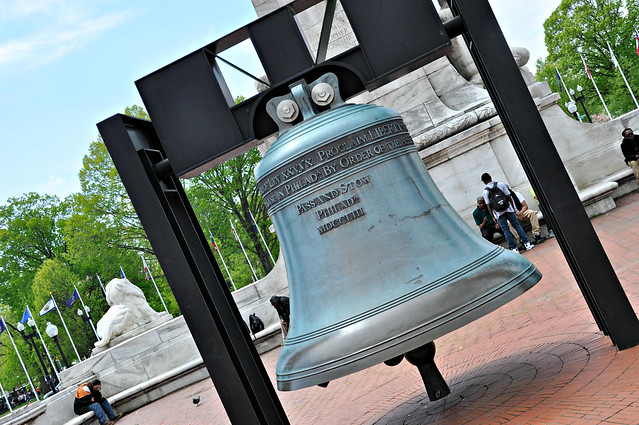
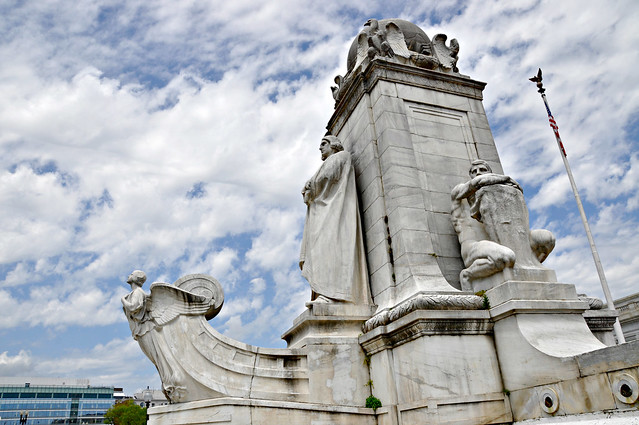
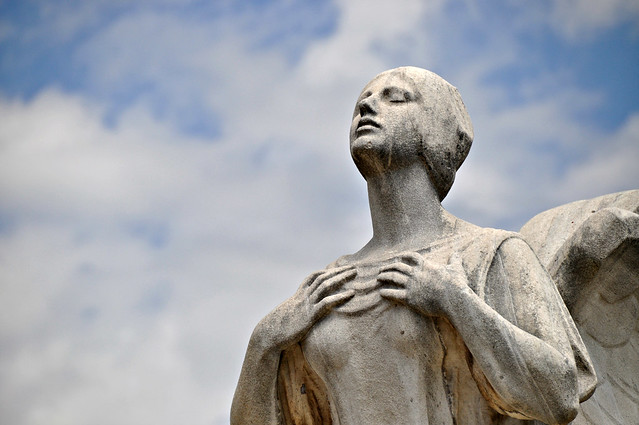
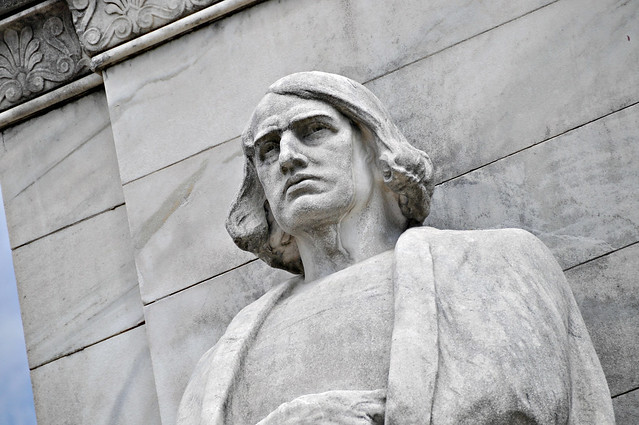
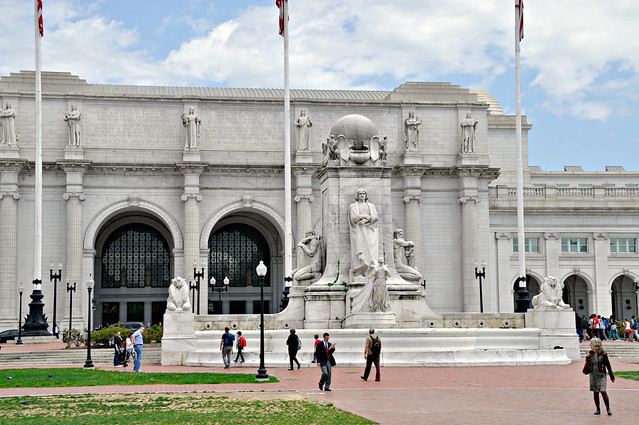
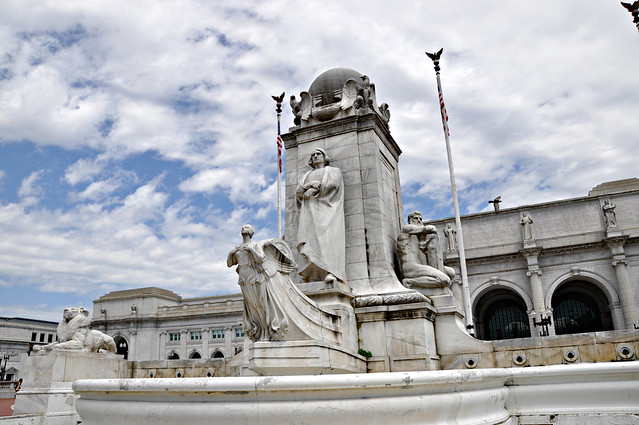
Construído em 1912, está logo á entrada da Union Station e é talvez um dos monumentos mais interessantes que vi dedicado a Cristovão Colombo. No centro está uma fonte em que a estátua de Colombo é o ponto central e aos seus pés a proa de um barco com a tradicional figura que neste caso é a de uma mulher cuja expressão achei extraordinária.
 
Built in 1912, is right at the entrance of Union Station and is perhaps one of the most interesting monuments that I saw dedicated to Christopher Columbus. In the center is a fountain where the statue of Columbus is the central point and at his feet the prow of a boat with the traditional figure in this case that of a woman whose expression I thought was amazing.

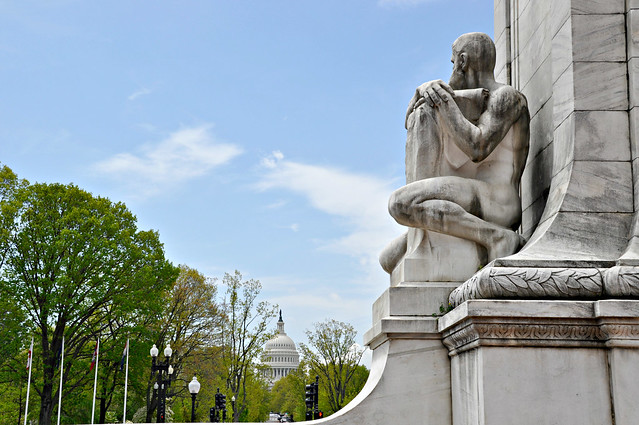
No topo está o mundo, o Novo Mundo que Cristovão Colombo descobriu a serviço da coroa espanhola e dos seus Reis Católicos que aparecem num pequeno relevo. Foi graças aos Cavaleiros de Colombo que se construiu este monumento no inicio do século XX e para mim uma das melhores imagens suas é a do Velho Mundo (a escultura do lado direito) a olhar para o Capitólio.
 
At the top is the world, the New World that Christopher Columbus discovered at the service of the Spanish crown and its Catholic Monarchs that appear in a small relief. It was thanks to the Knights of Columbus that this monument was built in the early twentieth century and for me one of the best images of it is the Old World (sculpture in the right) looking at the Capitol.


Morada: Columbus Circle Northeast
Metro: Union Station
 

Our guide of:
http://hojeconhecemos.blogspot.com.es/2001/11/guia-de-washington-dc.html


do: LINCOLN MEMORIAL – WASHINGTON DC, EUA

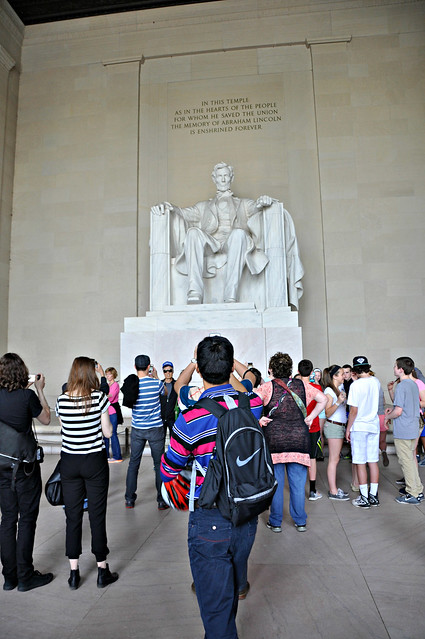
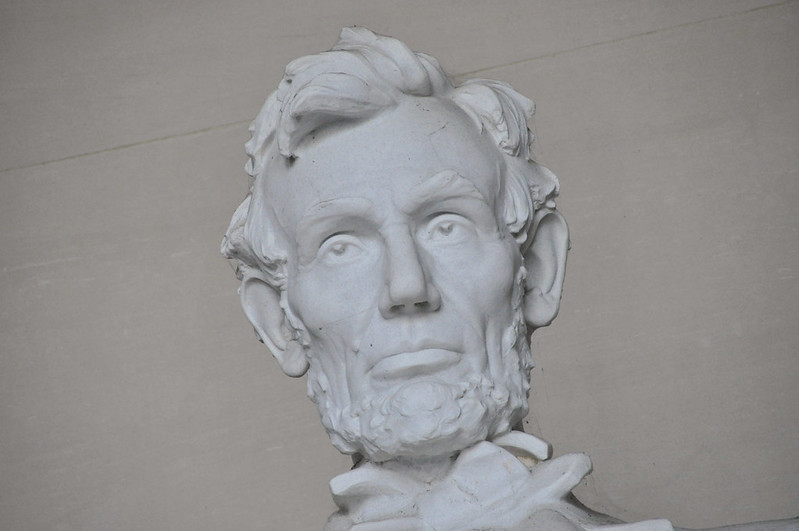
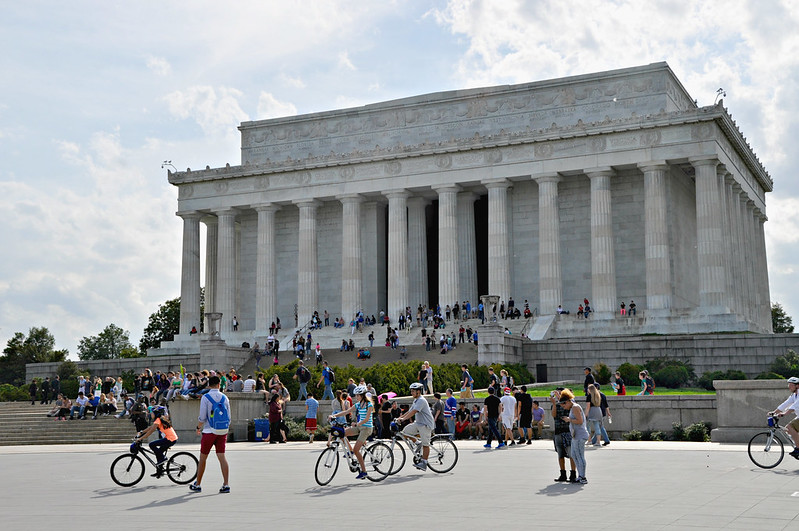
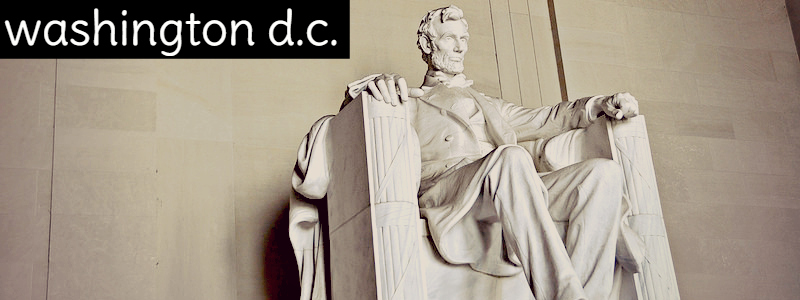
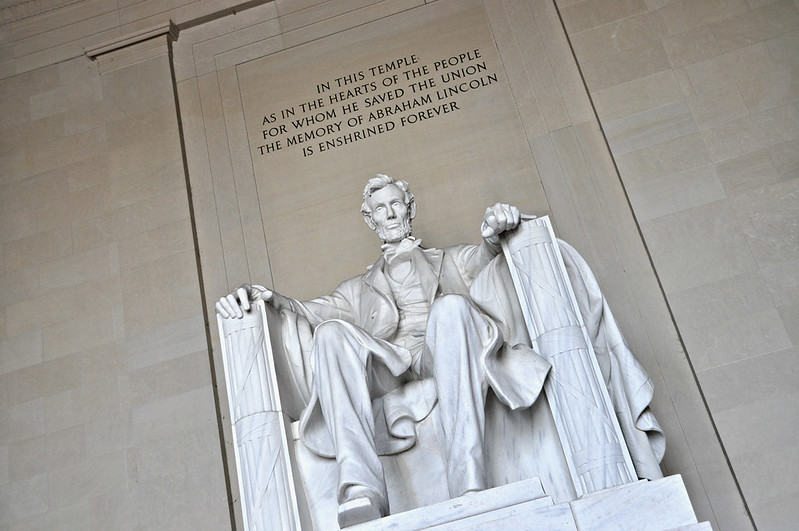
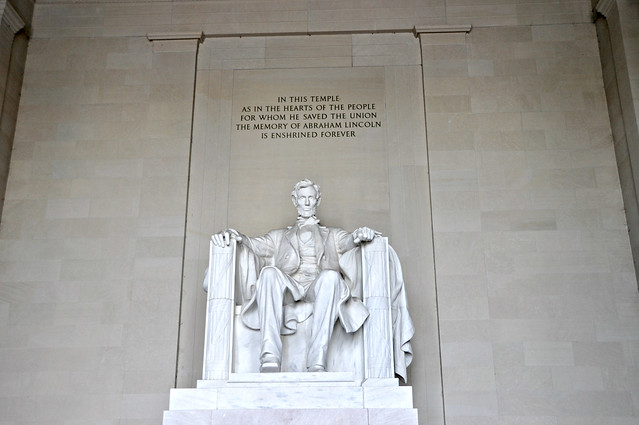
Sabia que tinha uma agenda apertada em Washington DC, o mais importante era o reencontro com a familia que uma conspiração cósmica conseguiu juntar nesta cidade: uns portugueses que vieram de Madrid (nós), uma prima que veio da África do Sul e um primo que vive nos EUA mas na outra ponta. Mas não sendo familia havia outra “pessoa” que eu queria muito ver: Abraham Lincoln sentado na sua cadeira de mármore dentro do impressionante monumento que o seu país lhe dedicou.
 
I knew I had a tight schedule in Washington DC, the most important was the family reunión  that a cosmic conspiracy was able to join in this city: a Portuguese couple who came from Madrid (we), a cousin who came from South Africa and a another cousin who lives in the US but at the other end. But not being family  there was another person” I wanted to see: Abraham Lincoln sitting in his marble chair inside an impressive monument that his country built to honor him.

Passo por passo sentia que ia cumprir um objectivo, a curiosidade era muita: será que é mesmo grande? Será que vai ser uma decepção? O que significa isto para mim? Será que estou a ser levada pelos filmes? E com um pé lá dentro todas as dúvidas se dissiparam. Valeu a pena.
Esqueci-me dos filmes, consegui até desligar do barulho que ali estava e aproveitar o momento para sentir a grande homenagem e respeito que têm por ele, o homem que segundo o Wikipedia (e tive que “roubar” com os devidos créditos) governou os EUA durante a Guerra Civil: “preservando a União e abolindo a escravidão, fortalecendo o governo nacional e modernizando a economia” (ver texto original aqui).
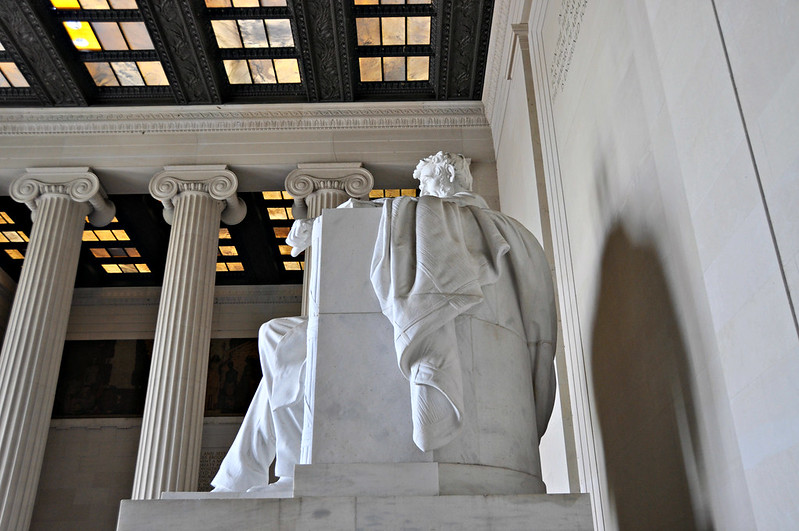
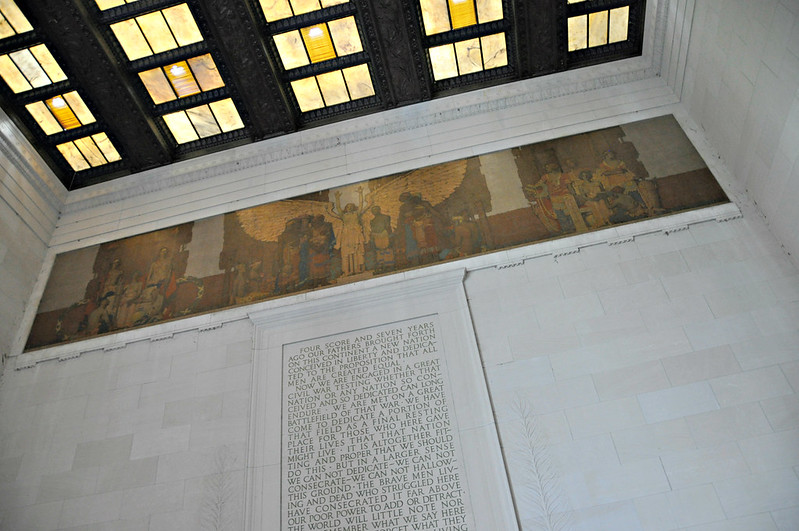
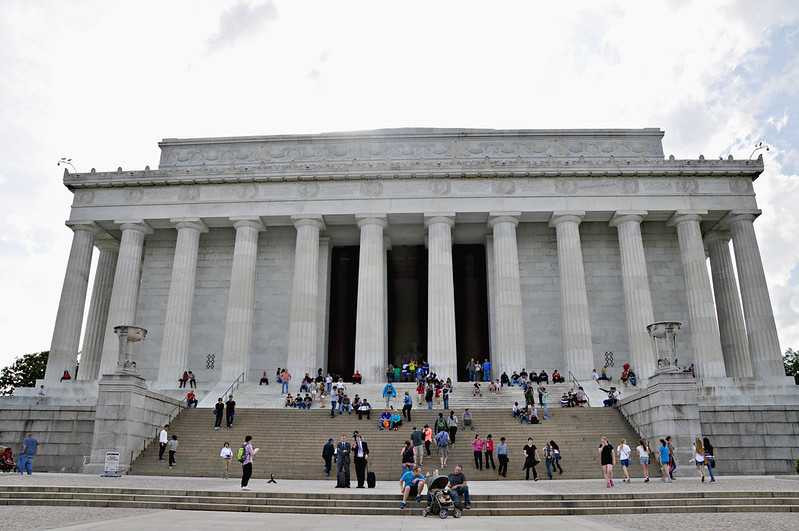
O monumento foi construído no inicio do século XX (1914 a 1922) inspirado nos grandes templos gregos e tem nas laterais excertos de discursos de Lincoln de dois dos momentos mais importantes da sua história.
Nos degraus que dão acesso á câmara onde o podemos ver, está uma placa que marca o local onde Martin Luther King Jr. deu o seu famoso discurso de “I have a dream”.  Não posso negar que foi juntamente com a Biblioteca do Congresso, o meu lugar preferido de Washington D.C..
 
Step by step I felt that I would fulfill a purpose, curiosity was huge: is it really big? Will it be a disappointment? What does this mean for me? Am I to be taken by the movies? And with one foot in there all doubts dissipated. It was worth it.
I forgot the movies, I managed to turn off from the noise that was in there and enjoy the moment to feel the great honor and respect they have for him, the man who according to Wikipedia (and had to “steal” with due credit) ruled the US during the Civil War: preserving the Union and abolishing slavery, strengthening the national government and modernizing the economy(see original text here).
The monument was built in the early twentieth century (1914-1922) inspired by the great Greek temples and has on the sides excerpts from Lincoln‘s speeches of two of the most important moments in his history.
The steps that give access to the chamber where we can see him, there is a sign that marks the spot where Martin Luther King Jr. gave his famous speech I have a dream”. I can not deny it was, together with the Library of Congress my favorite place in Washington DC.


Morada: 2 Lincoln Memorial Cir NW
Metro: Smithsonian

Our guide of:
http://hojeconhecemos.blogspot.com.es/2001/11/guia-de-washington-dc.html

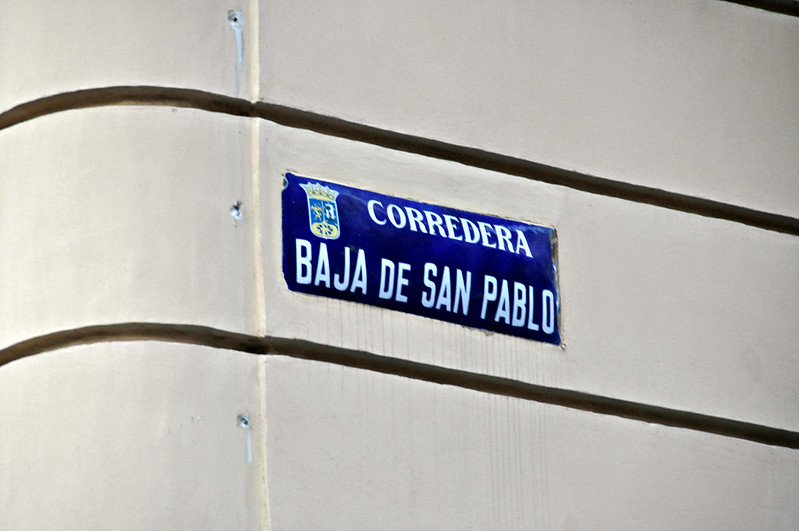
do: CORREDERA BAJA DE SAN PABLO – MADRID, ESPANHA

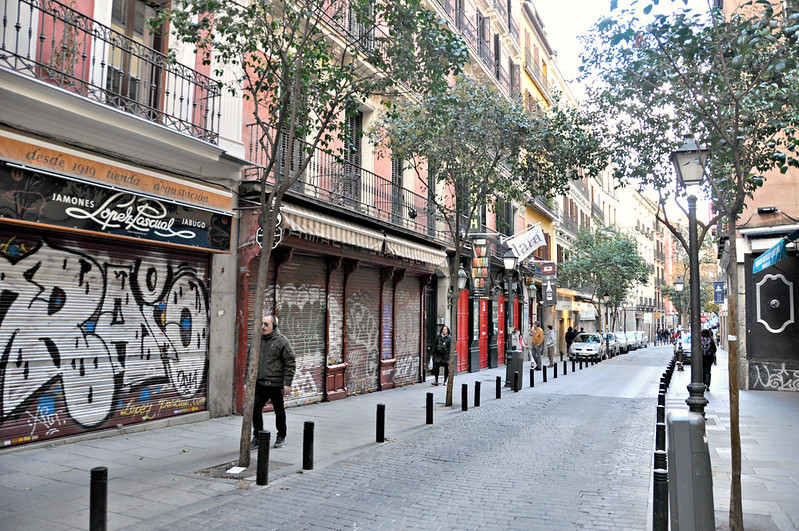
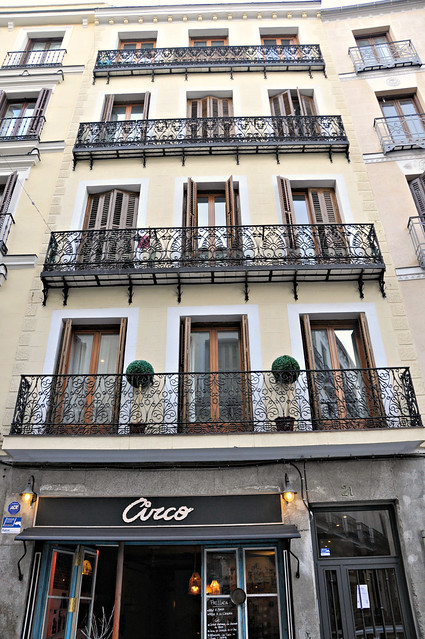
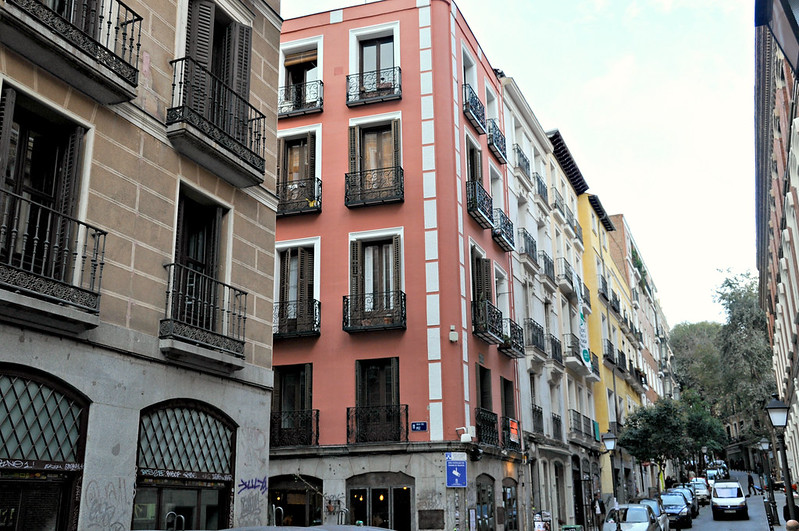
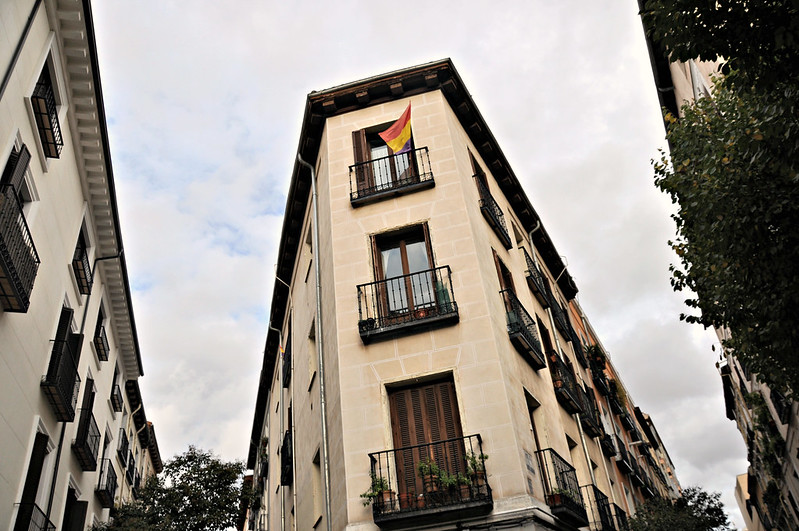
A zona de Triball – triângulo Ballesta Madrid – está limitada pela Gran Vía, a Calle Fuencarral y esta Corredera Baja de San Pablo. Dentro estão ruas como a do Desengaño, Barco e a Ballesta para além de monumentos importantes como a Igreja de San Antonio de los Alemanes cuja entrada dá acesso á Corredera. Aproveitando o nosso passeio a Malasaña ficámos a conhecer um pouco mais sobre esta rua uma das mais interessante principalmente pelos os restaurantes que ali encontramos.

The Triball area  Triangle Ballesta Madrid is limited by Gran Vía, Calle Fuencarral y this Corredera Baja de San Pablo. Inside are streets like Desengaño, Barco and Ballesta as well as important monuments such as the Church of San Antonio de los Alemanes which entrance is done byte Corredera. During our stroll by Malasaña we learned a bit more about this  Street, one of the most interesting mainly by the restaurants one can find there.

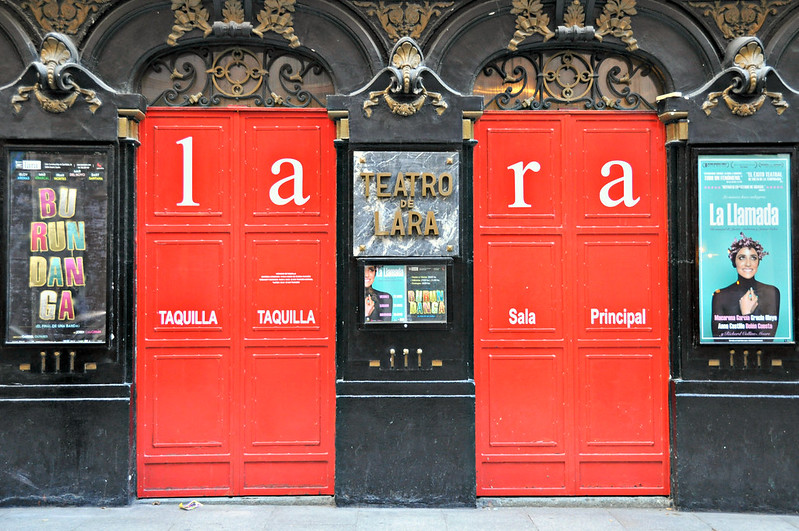
Mas antes de entrar no capítulo gastronómico da rua, falar sobre o ócio e sobre o Teatro Lara inaugurado em 1880. Continua em actividade e tenho muita curiosidade de o conhecer por dentro porque sei que mantém muito do seu aspecto original.
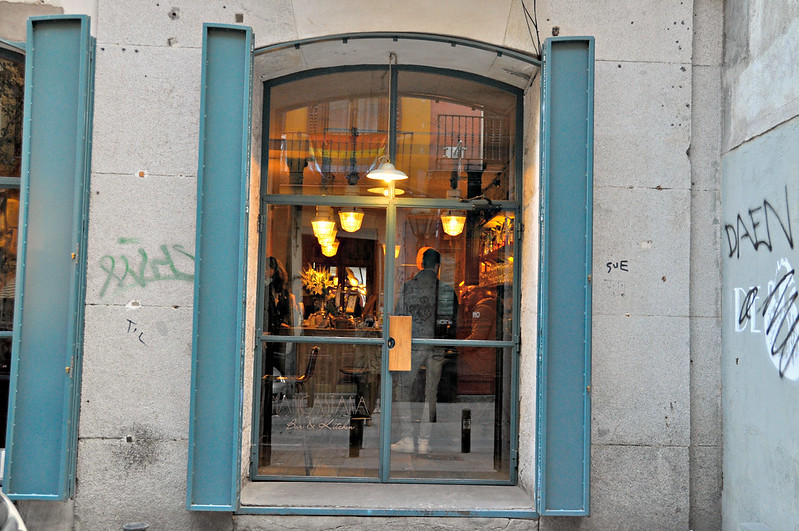
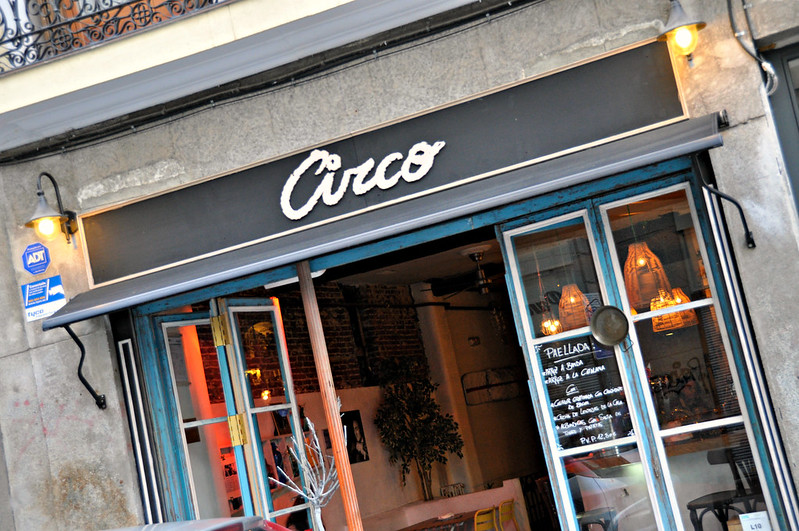
Quanto a restaurantes há dois ou três que se destacam, o Maricastaña, o Circo de Tapas e o Aiô que se junta a boa oferta de italianos e pizzarias da zona.

But before entering the culinary section of the street, talk about the idleness and the Lara Theater opened in 1880. Still in business I’m very curious to see it on the inside because I know it retains much of its original appearance.
As for restaurants there are two or three that stand out, the Maricastaña, the Circo de Tapas and Aiô that joins the good range of Italian and pizza restaurants in the area.


Our guides of:
http://hojeconhecemos.blogspot.com.es/2001/11/madrid-malasana-y-conde-duque.html http://hojeconhecemos.blogspot.com.es/p/madrid.html

do: IGREJA DE SAN MARTIN – MADRID, ESPANHA

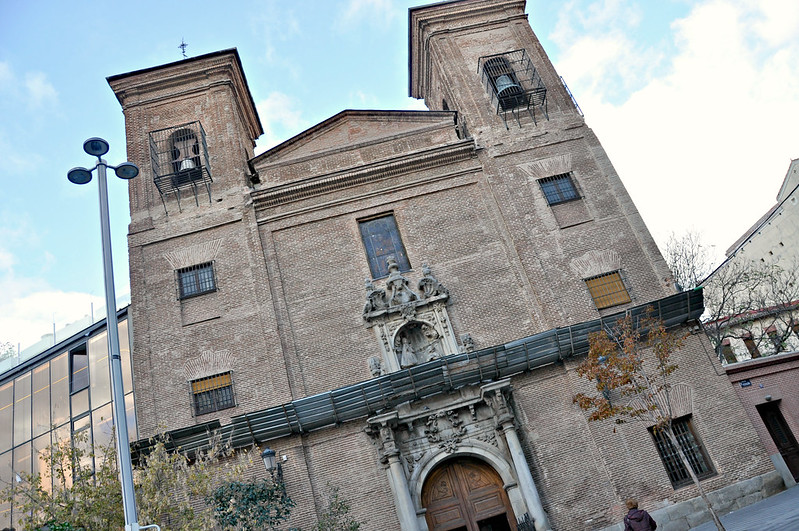
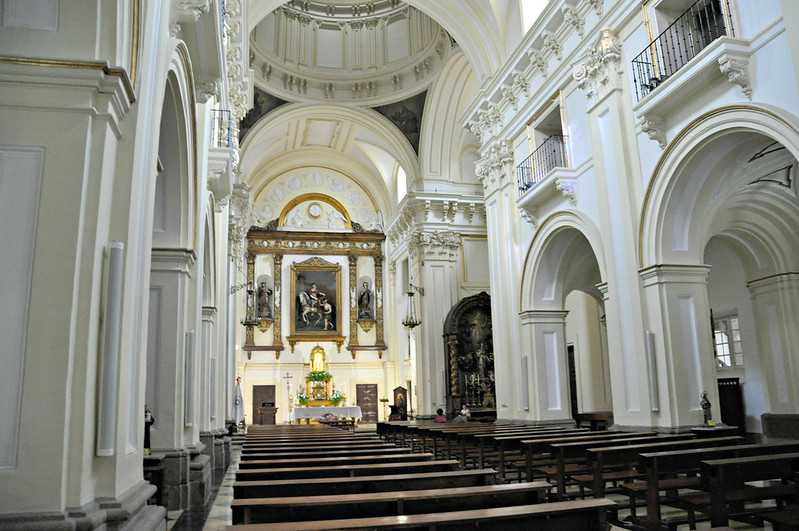
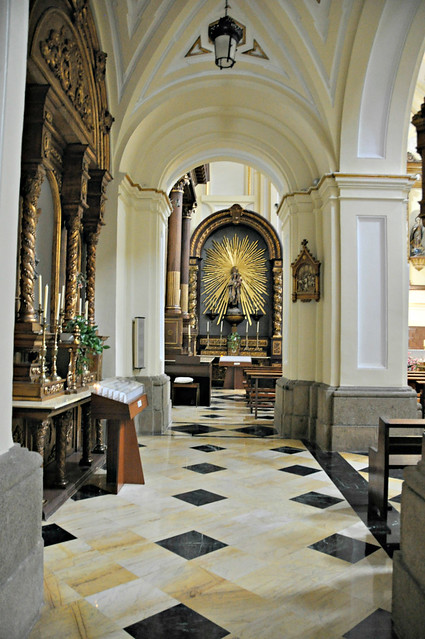
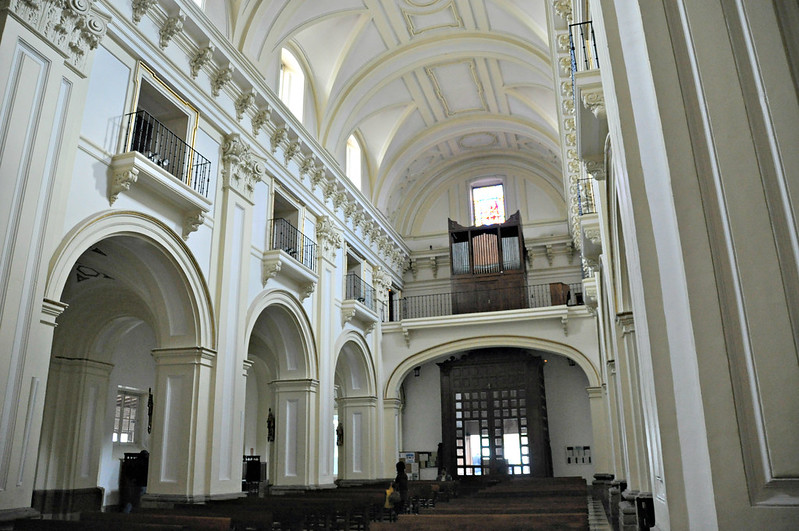
A poucos passos da Gran Vía, na Calle del Desengaño está esta igreja cuja fachada não é das mais bonitas que vi em Madrid mas o seu interior não deixa de ter alguns pontos de interesse. Pouco se sabe sobre a sua construção apenas que foi inaugurada no final do século XVII e o seu estilo arquitectónico é o barroco na linha de outras igrejas desse período que se construiram na cidade.
 
A few steps from the Gran Vía, in the Calle del Desengaño is this church whose facade is not the most beautiful I’ve seen in Madrid but it’s interior does have some points of interest. Little is known about its construction but it was inaugurated in the late seventeenth century and its architectural style is baroque in line with other churches from that period that were built in city.

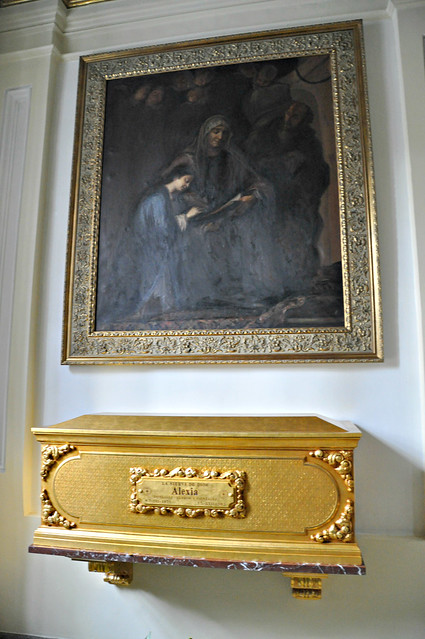
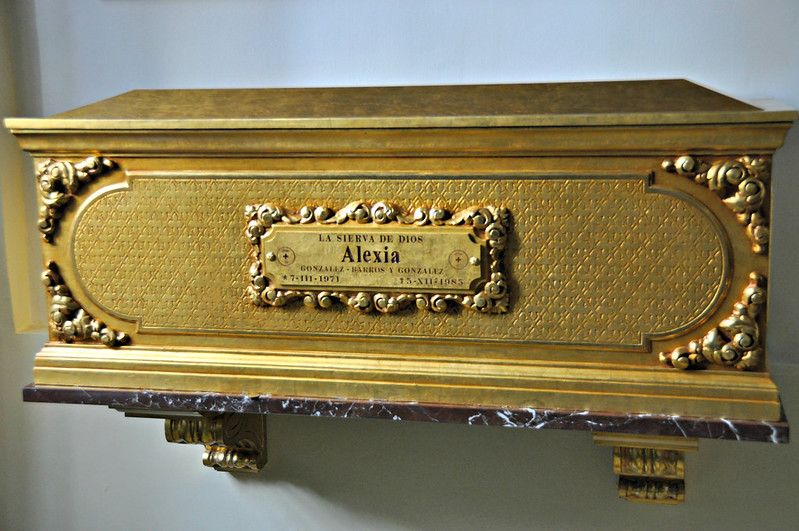
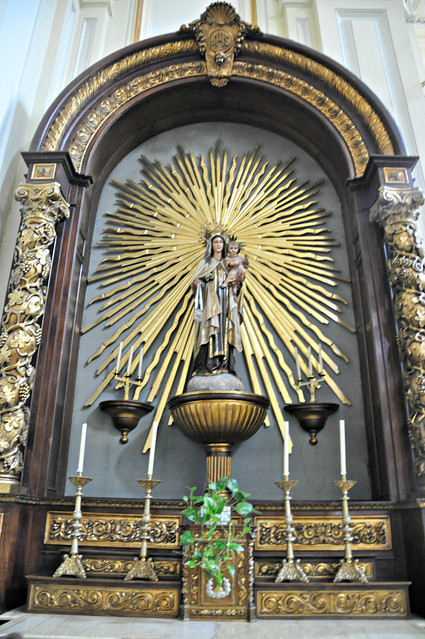
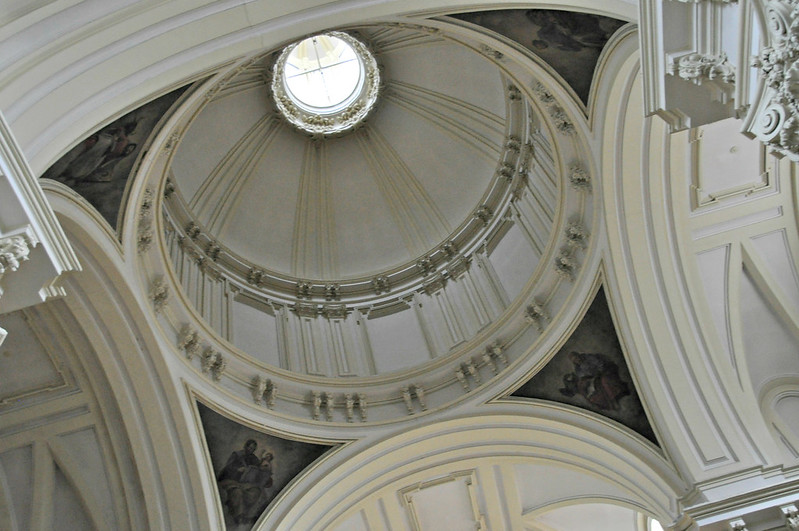
O seu interior completamente branco dá luminosidade ao espaço que logo á entrada do lado direito apresenta o pequeno caixão dourado da serva de Deus: Alexia González-Barros y González. Uma jovem devota de Deus que aceitou a sua doença fatal e tornou-se imortal para os fiéis seguidores da sua história. Quando entrei vi um grupo de turistas beijar a sua campa, não conhecia a sua história e um pequeno panfleto falava do seu processo de beatificação que não está completo.
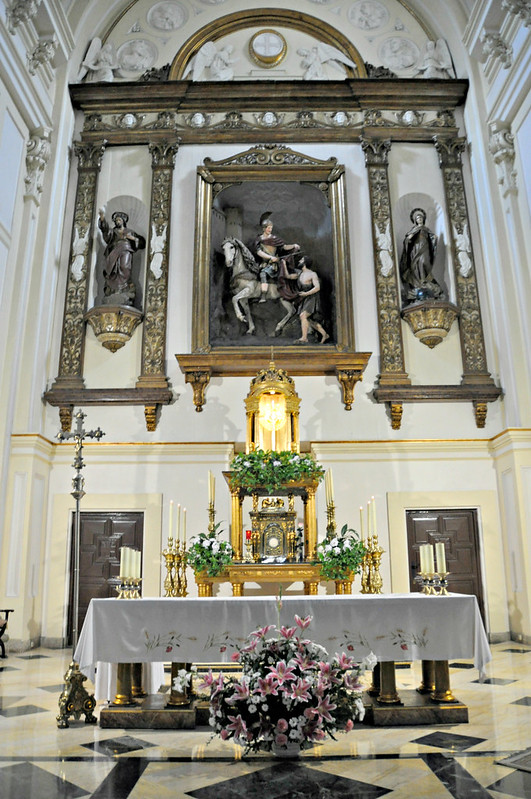
O altar-mor tem uma decoração simples tal como o resto da igreja, destaca-se o quadro de San Martin que corta a sua capa para dar a um mendigo. Ao seu lado duas esculturas do Sagrado Coração de Jesús e Maria.
 
It’s completely white interior gives light to the space that at the entrance on the right shows the small golden casket of a servant of God: Alexia GonzálezBarros y González. A devout young girl who accepted her fatal illness and became immortal to the faithful followers of her story. When I entered I saw a group of tourists kissing his grave, did not know much about her history and a small pamphlet spoke of her beatification process, that is not complete.
The main altar has a simple decor as the rest of the church, the picture of San Martin cutting his cloak to give to a beggar stands out. Beside it there are two sculptures of the Sacred Heart of Jesus and Mary.


Morada: Calle del Desengaño 26
Metro: Callao ou Gran Vía

Our guides of:
http://hojeconhecemos.blogspot.com.es/2001/11/madrid-malasana-y-conde-duque.html http://hojeconhecemos.blogspot.com.es/p/madrid.html

Al Cuadrado – Madrid, Espanha

Fizémos um passeio em familia pelo bairro de Malasaña, normalmente vamos mais cedo para conseguir entrar no restaurante que queremos evitando a hora de ponta mas hoje não foi assim e dos poucos que tinha mesa disponível era a pizzaria Al Cuadrado. Segue o conceito das pizzas vendidas ao quadrado mas com receitas e combinações inovadoras ou pelo menos fora do comum.
We took a family walk through the Malasaña neighborhood, usually we go early to get into the restaurant we want avoiding rush hour but today was not so and one of the few that had table available was the pizzeria Al Cuadrado. It has the concept of pizzas sold in squares but with inovative recipes and combinations or at least out of the ordinary.

Continue a ler “Al Cuadrado – Madrid, Espanha”

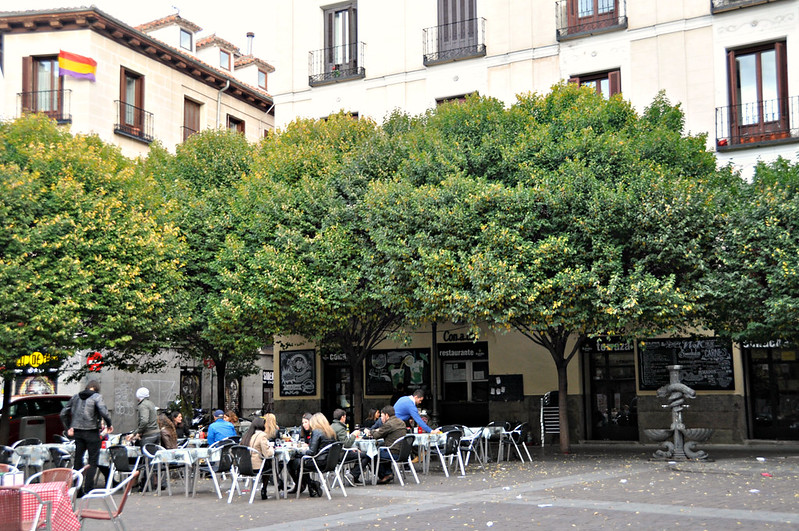
do: PLAZA DE SAN ILDEFONSO – MADRID, ESPANHA

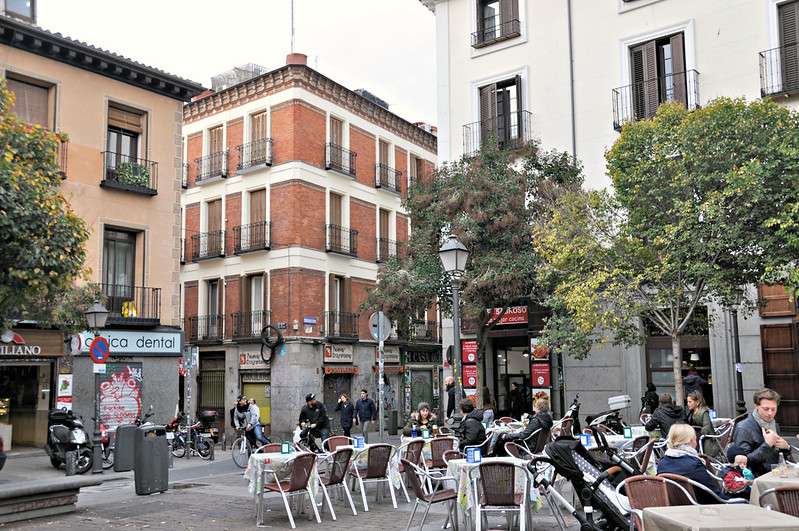
Andávamos “perdidos” por Malasaña quando chegámos a esta agradável praça dedicada a San Ildefonso de Toledo que conta a lenda terá recebido uma casula da Virgem numa aparição. Aqui está uma igreja dedicada ao Santo que estava fechada e o outro grande ponto de interesse era o seu Mercado que fechou em 1970 mas reabriu agora na sua versão mais moderna perto da Fuencarral. (ver post Mercado San Ildefonso)

We had been lost in Malasaña when we got into this pleasant square dedicated to San Ildefonso of Toledo that legend says received a chasuble during an apparition of the Virgin. Here is a church dedicated to the saint that was closed and the other major point of interest was their Market which closed in 1970 but reopened now in its most modern version near the Fuencarral. (see post Mercado San Ildefonso)

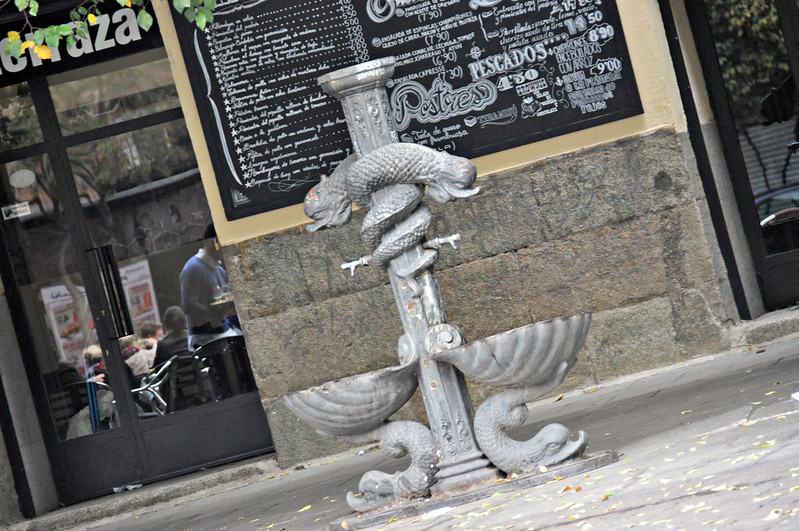
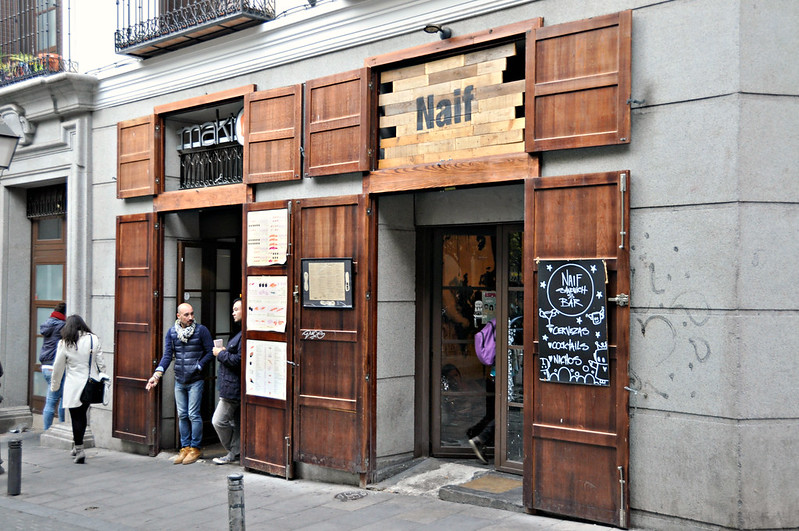
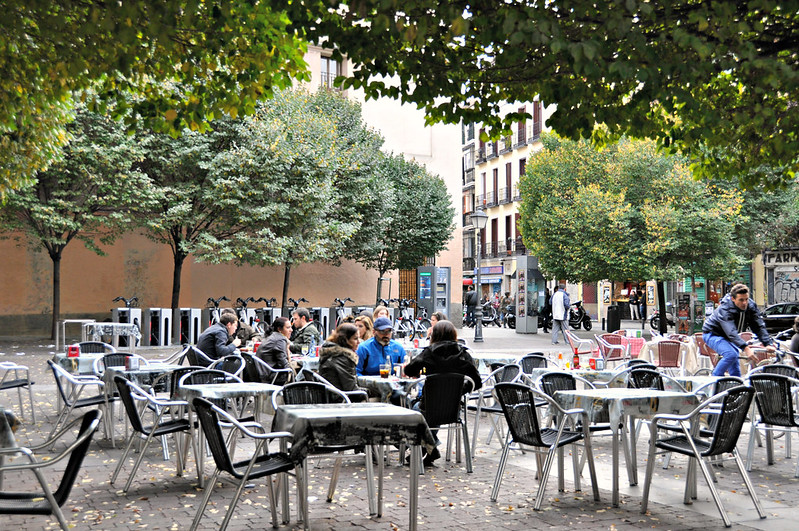
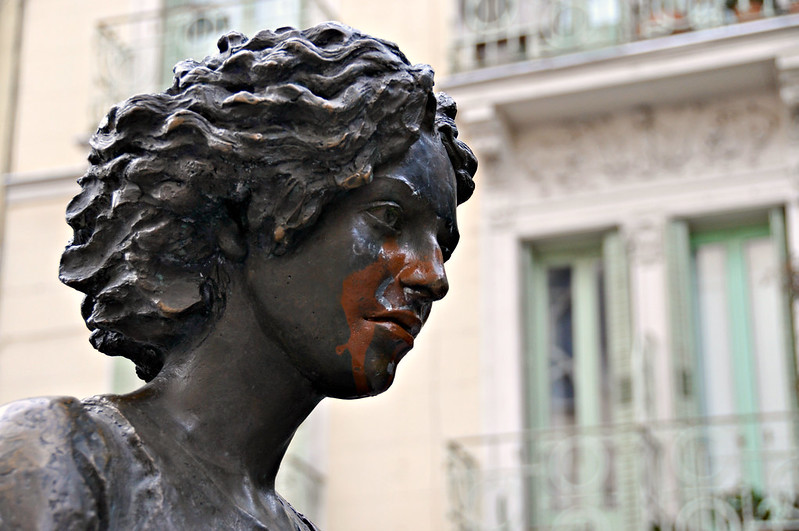
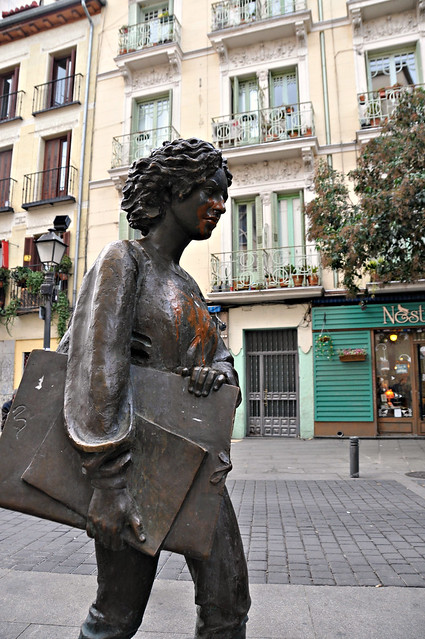
Ao centro da praça estão as esplanadas de alguns dos restaurantes á volta, um dos mais conhecidos é o La Bicicleta Café mas há outros como o Naif, o Maki e o Conache oferecendo variedade gastronómica á zona. Outros elementos que adornam a praça são uma fonte e esta estátua da menina estudante, feita em bronze foi aqui instalada em 1996 e é obra do escultor Rafael González García.

At the center of the square are the terraces of some of the restaurants around it, one of the best known is Café La Bicicleta but there are others like Naif, Maki and Conache offering gastronomic variety in this area. Other elements that adorn the square area fountain and this statue of the student girl, made of bronze was installed here in 1996 and is from the sculptor Rafael González García.

Our guides of:
http://hojeconhecemos.blogspot.com.es/2001/11/madrid-malasana-y-conde-duque.html http://hojeconhecemos.blogspot.com.es/p/madrid.html

Happy Day Bakery – Madrid, Espanha

O número 11 da Calle del Espíritu Santo é talvez o mais doce de todo o bairro, tudo por causa da Happy Day Bakery. Nova Iorque tem a famosa Magnólia e Madrid tem este lugar, um dos pioneiros a dedicar-se aos cupcakes. Fica num edificio de esquina e tem o charme que se espera deste tipo de lugares, não tem muitas mesas e nós entrámos para comprar uma caixa para levar.
The number 11 Calle del Espíritu Santo is perhaps the sweetest of all the neighborhood, all because of the Happy Day Bakery. New York has the famous Magnolia and Madrid has this place, one of the pioneers to devote themselves to cupcakes. Is a corner building and has the charm you would expect from this kind of places they do not have many tables and we entered to buy a box to take away.

Continue a ler “Happy Day Bakery – Madrid, Espanha”

eat: MERCADO DE SAN ILDEFONSO – MADRID, ESPANHA
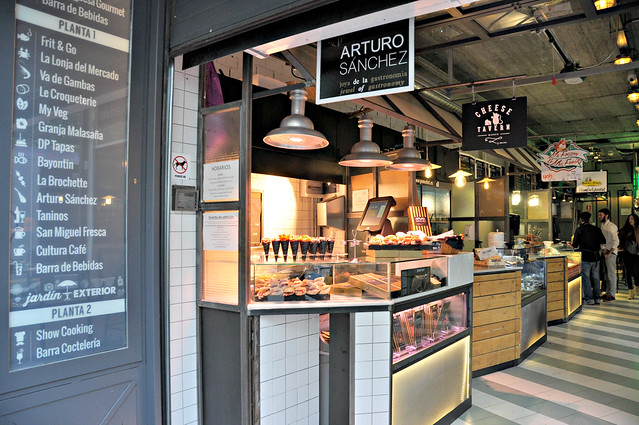
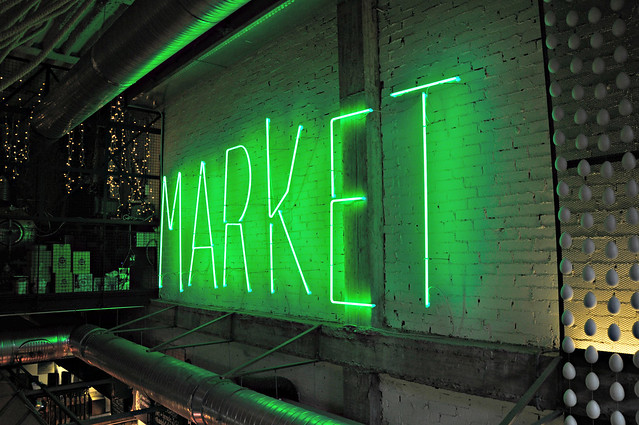
A passear pelo bairro de Malasaña encontrámos um dos novos mercados da zona: o San Ildefonso. Um Street market & co. que abriu este ano de Verão e que procura replicar outros que existem em cidades como Nova Iorque e Londres. Ainda que se assuma diferente dos demais que vão ocupando o seu espaço na oferta gastronómica da cidade achei que o conceito é na sua essência o mesmo, um lugar de encontro social á volta de uma cerveja e boa comida.

A stroll through the neighborhood of Malasaña found one of the new market in the area: the San Ildefonso. A Street Market & co. which opened this year in that summer that seeks to replicate those that exist in other cities like New York and London. Even if it assumes has something different from the others who are getting their space in the culinary offerings of the city I did thought the concept is the same in essence, a place of social gathering around a beer and good food.

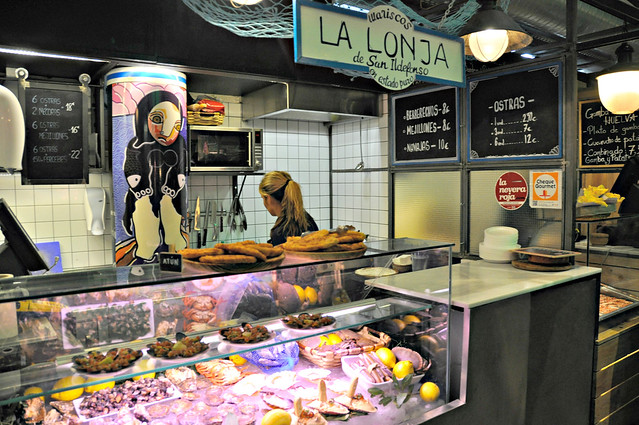
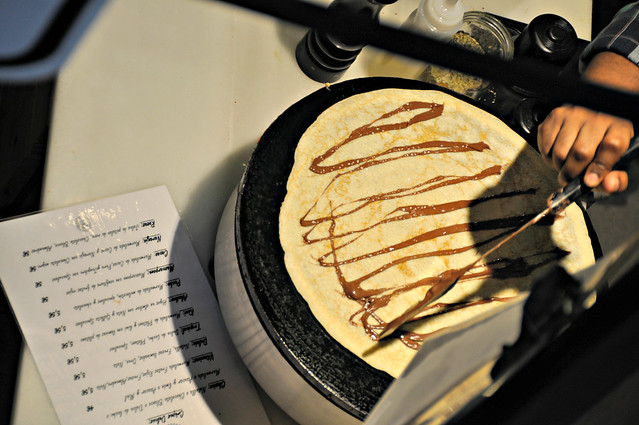
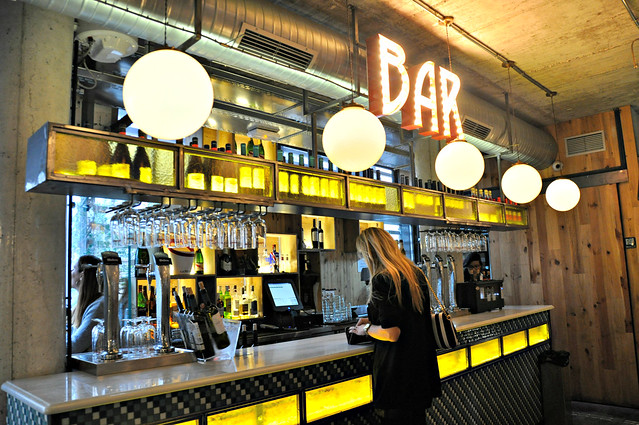
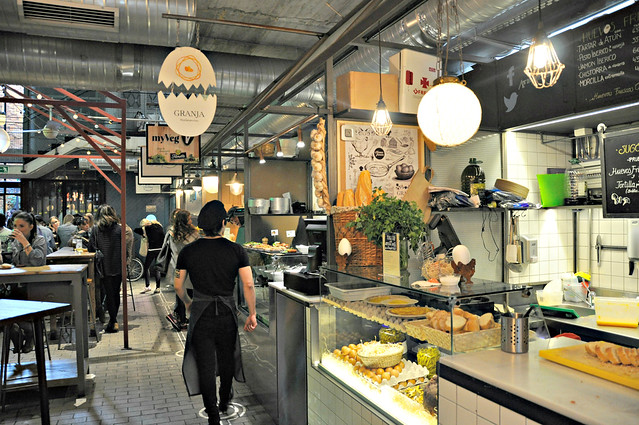
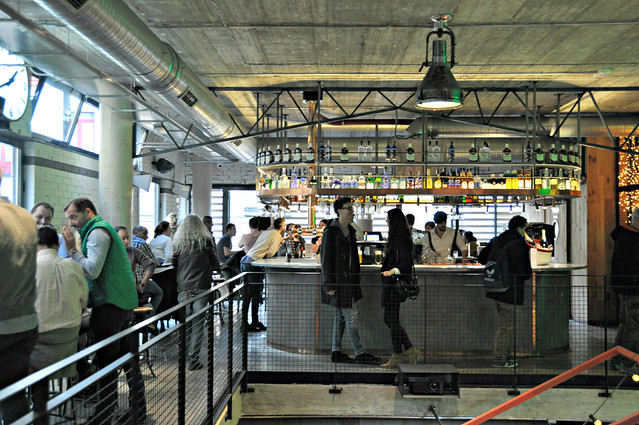
Logo á entrada duas bancas vendem enchidos e queijo mas ao subir vais descobrindo mais sobre o espaço (que não achei particularmente grande) que conta com uma pequena zona com jardim que deve estar á pinha no Verão agora não me pareceu a opção mais agradável. No segundo piso está uma boa parte das bancas que vendem desde marisco, espetadas de carne, hamburgueres, a croquetes e tortilha e para lanchar café, crepes, fruta (cortadinha como gostei de comprar na zona do Veneto em Itália) entre outras coisas. No último piso podemos encontrar mais mesas e um bar.

Right in the entrance two stalls sell sausages and cheese but when going up you discover more about space (I did not find it particularly big) that has a small garden area that should be crowded in summer now it did not seem an enjoyable option. On the second floor is a good part of the stalls selling from seafood, meat kebabs, burgers, to croquettes and a tortilla and for afternoon snacking coffee, crepes, fruit (cut in pieces the way I liked buying in the Veneto region in Italy) among other things. In the last floor one can find more tables and a bar.


Morada: Calle Fuencarral 57
Metro: Tribunal ou Chueca
 
Our guides of:
http://hojeconhecemos.blogspot.com/2001/10/madrid-mercados-feiras.html http://hojeconhecemos.blogspot.com.es/p/madrid.html


IGREJA SAN MIGUEL – ARÉVALO, ESPANHA

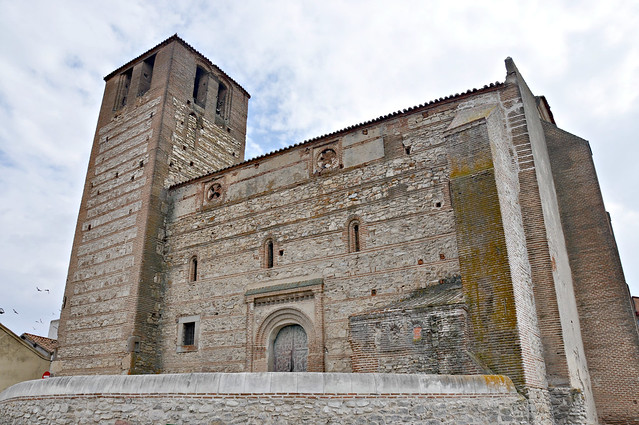
A segunda igreja na nossa rota foi a de San Miguel dedicada ao Arcanjo e ao vê-la por fora com sinais de deterioração tivémos receio do que poderíamos encontrar no seu interior. Foi construída entre os séculos XII e XVI e o seu tamanho impressiona se comparamos que as outras que vimos, também ajuda o facto de estar isolada e não ter edificios contiguos.
The second church on our route was the San Miguel dedicated to the Archangel and seeing it from the outside with signs of deterioration we had fear of what we might find inside. It was built between the twelfth and sixteenth centuries, and its size is impressive if compared to the others we’ve seen, it also helps the fact of standing alone and not having contiguous buildings.

Continue a ler “IGREJA SAN MIGUEL – ARÉVALO, ESPANHA”

PALÁCIOS DE RONQUILLO E SEDEÑOS – ARÉVALO, ESPANHA

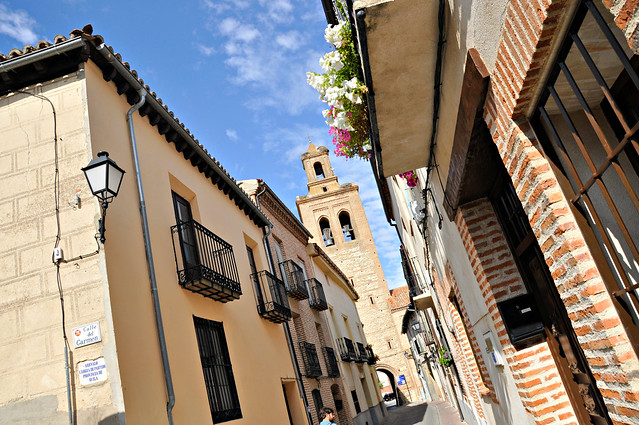
Depois de passar pela Plaza del Real entrámos na Calle de Santa Maria, a mais interessante de Arévalo. Por estar dentro das muralhas da cidade, a meio caminho entre o Castelo e o Palácio Real que estava junto ao Arco de Alcocer, foi o lugar escolhido por várias familias nobres para construir os seus palácios como os de Ronquilla e Sedeños.
After walking through the Plaza del Real we entered the Calle de Santa Maria, the most interesting of Arévalo. Being inside the city walls, halfway between the Castle and the Royal Palace which was at the Arc de Alcocer, it was chosen by several noble families to build in it their palaces such as Ronquilla and Sedeños.

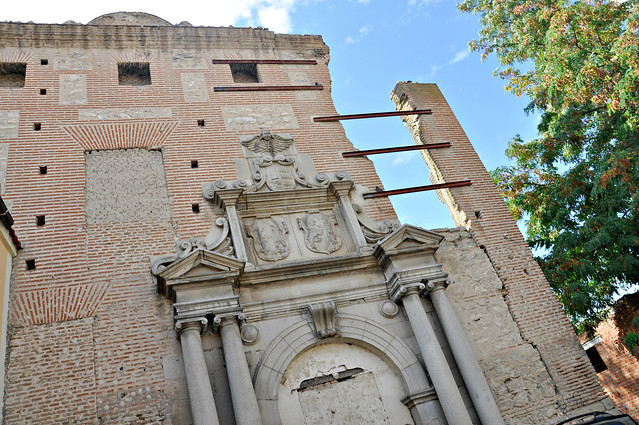
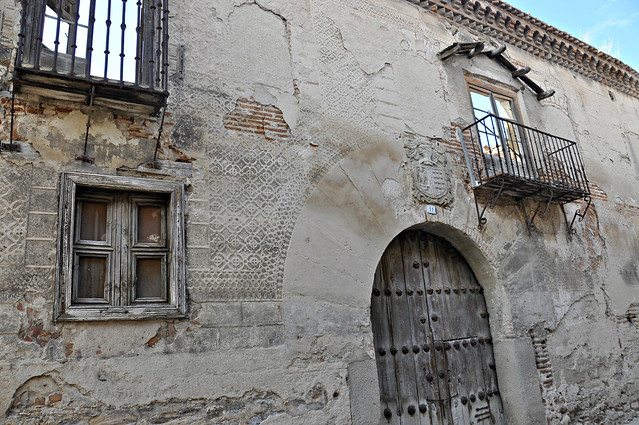
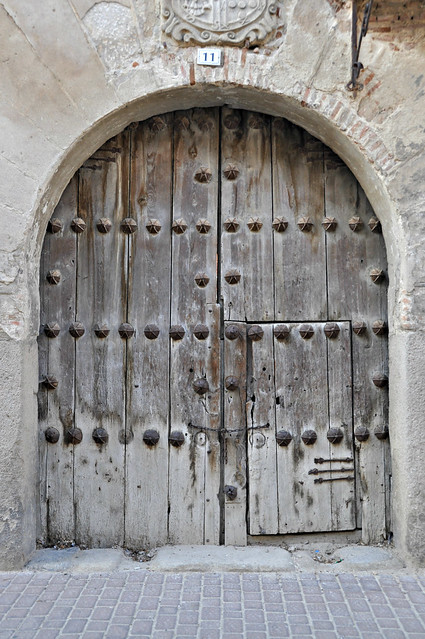
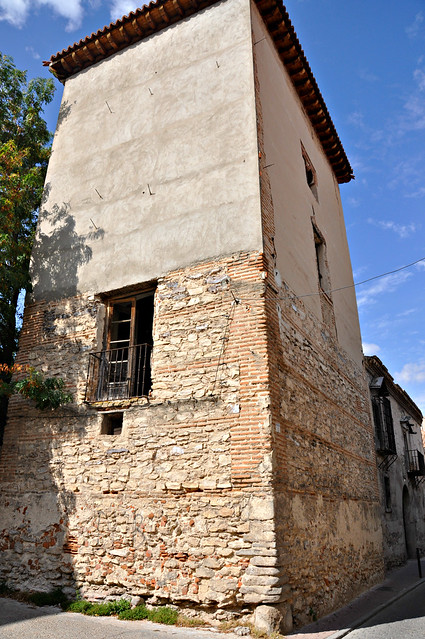
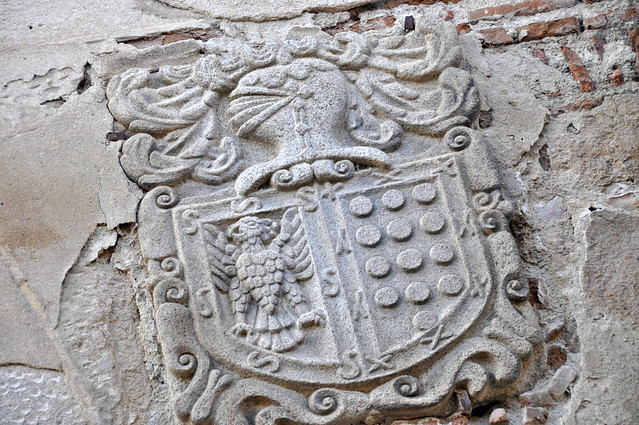
Infelizmente o que podemos ver hoje são fachadas em ruínas, não se conseguiu preservar muito uma vez que estão entregues ao abandono sem qualquer informação sobre se vão ser recuperados ou não. O de Ballesteros Ronquillo tem apenas uma parede de fachada onde podemos ver o arco trabalhado á volta da porta principal e foi construído no século XVI. Ao lado está o de Sedeños do qual podemos ver a torre e a fachada principal onde se destaca o brasão da familia por cima da sua porta medieval. A sua construção é do século XV.
Unfortunately what we see today are crumbling facades, couldn’t manage to preserve much and they are left to the abandonment without any information about whether or not they will be recovered. The Ballesteros Ronquillo has only one wall facade where we can see the arch worked around the front door and was built in the sixteenth century. Next door is the Sedeños of which we can see the tower and the main facade highlighting the coat of the family over it’s medieval door. Its construction is of the fifteenth century.