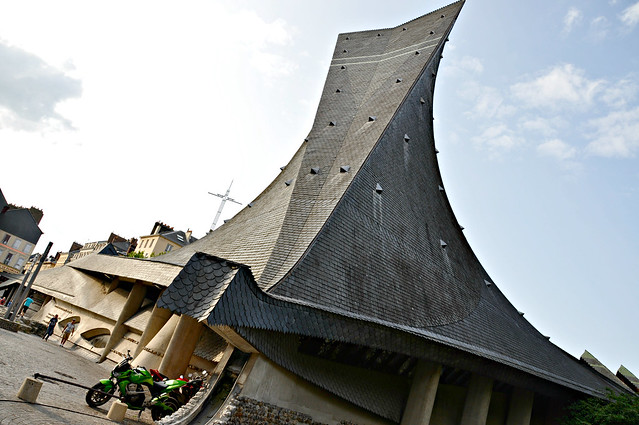
do: IGREJA DE STA. JOANA – ROUEN, FRANÇA

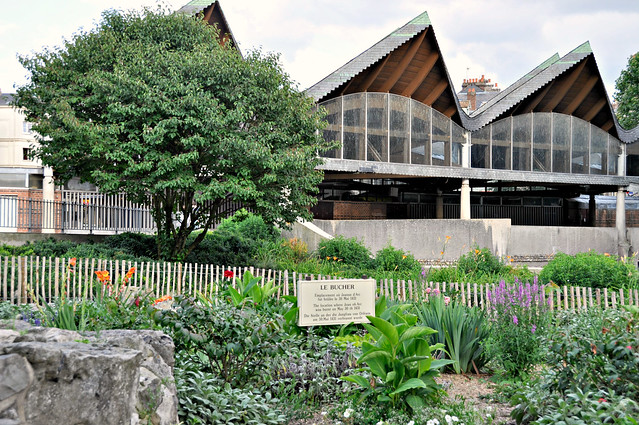
Tenho que confessar que sou uma fã da história da Joana D’Arc, que vi alguns filmes e séries sobre a sua vida e visitei outras cidades francesas (como Orleães) onde estive mais perto de saber mais sobre ela. A igreja que lhe dedicou a cidade de Rouen foi construída junto ao local onde foi executada mas o edificio tem uma arquitetura interessante que a mim me custou ligar á sua vida talvez por sentir que por exemplo a Catedral de Sainte-Croix em Orleães tivesse mais que ver com a sua época.
 
I have to confess that I am a fan of the story of Joan of Arc, I saw movies and series about her life and visited other French cities (like Orleans) which was closer to know more about her. The church that the city of Rouen dedicated  was built near the place where she was executed but the building has an interesting architecture that was hard for me to connect to her life maybe because I felt that example the Cathedral of SainteCroix in Orleans had more to do with her era.
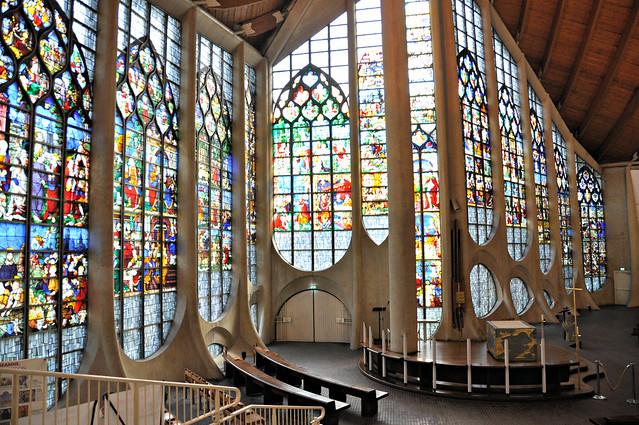
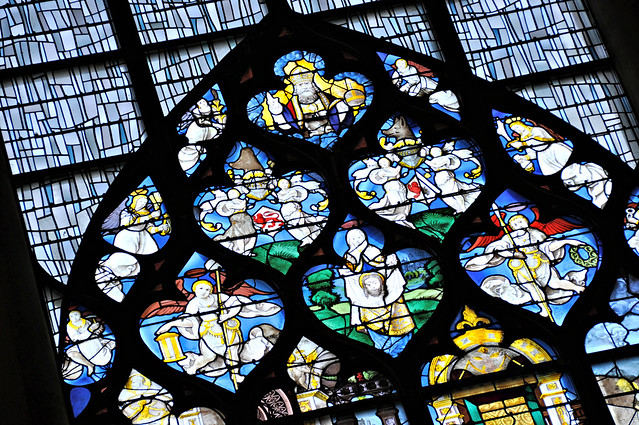
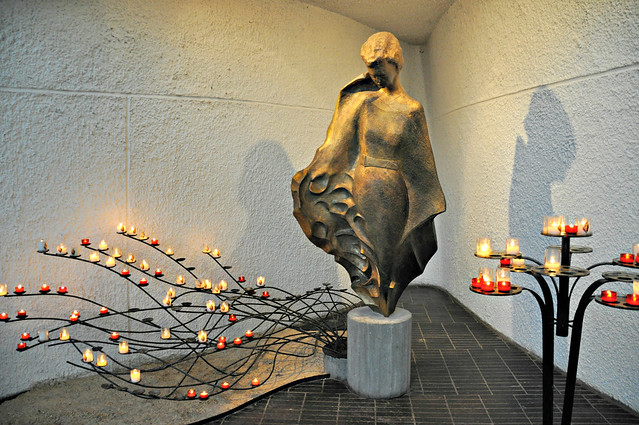
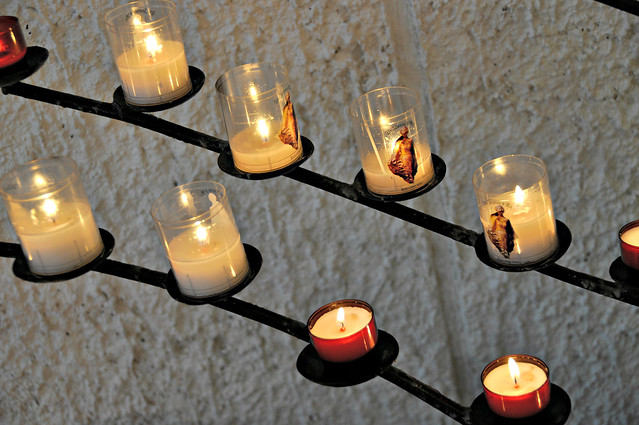
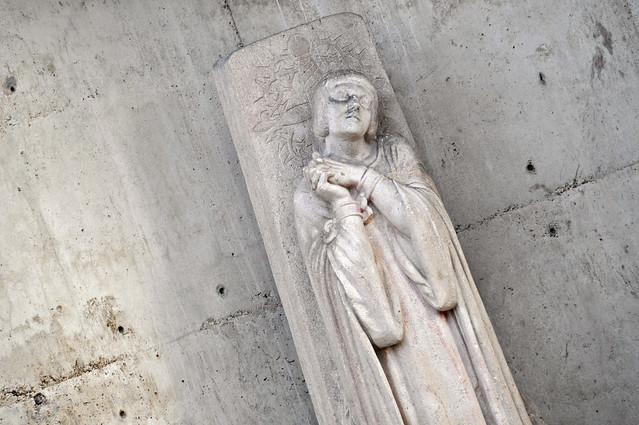
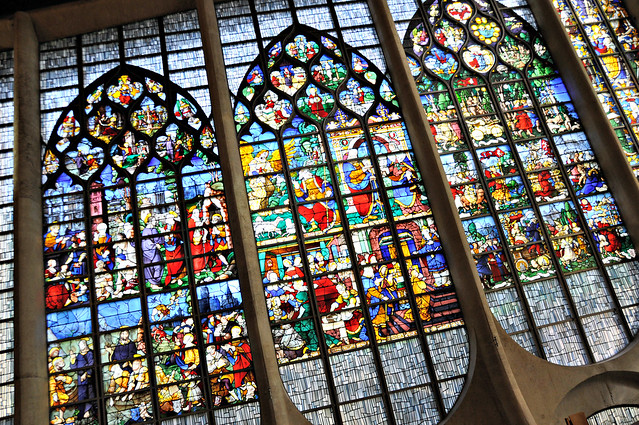
Foi edificada em 1979 e o arquitecto que a desenhou foi Louis Arretche. Os bonitos vitrais que decoram o seu interior são do século XVI e vieram da antiga Igreja de São Vicente que foi destruída durante a Segunda Guerra Mundial. A um cantinho está um discreto monumento a Joana D’Arc com uma escultura relembrando o seu martírio decorado com velas.
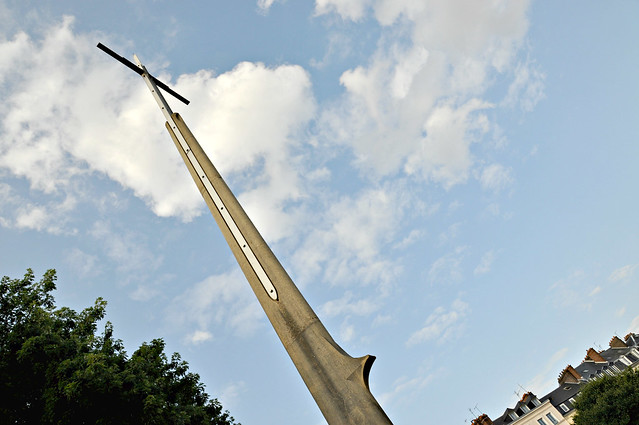
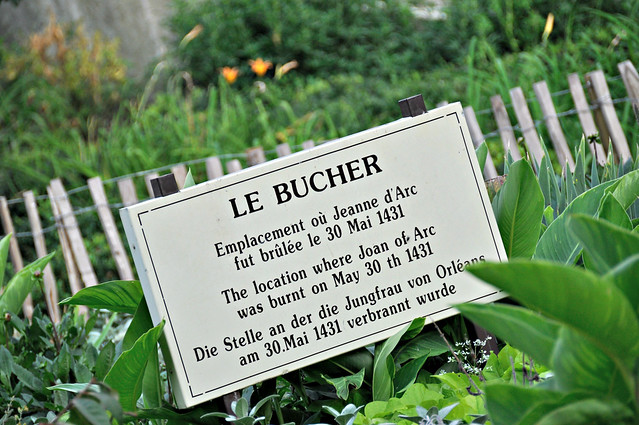
No exterior a igreja, uma cruz no seu jardim marca o lugar onde foi queimada viva no dia 30 e Maio de 1431, perto está outra escultura um pouco mais representativa do real do sofrimento de Joana D’Arc. A entrada é gratuita.
 
It was built in 1979 and the architect who designed it was Louis Arretche. The beautiful stained glass windows that adorn its interior are of the sixteenth century and came from the former St. Vincent Church which was destroyed during the Second World War. In one corner is a discrete monument to Joan of Arc with a sculpture commemorating the martyrdom decorated with candles.
Outside the church, a cross on it’s garden marks the spot where she was burned alive on 30 May 1431 and  near is other sculpture a little more representative of the actual suffering of Joan of Arc. Admission is free.
 

Morada: Place aux Vieux Marché

Our guide of:
http://hojeconhecemos.blogspot.com.es/2001/09/guia-de-rouen.html


do: BASÍLICA DA ESTRELA – LISBOA, PORTUGAL

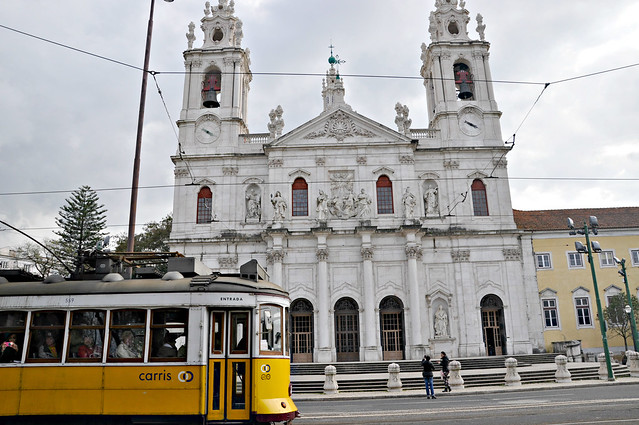
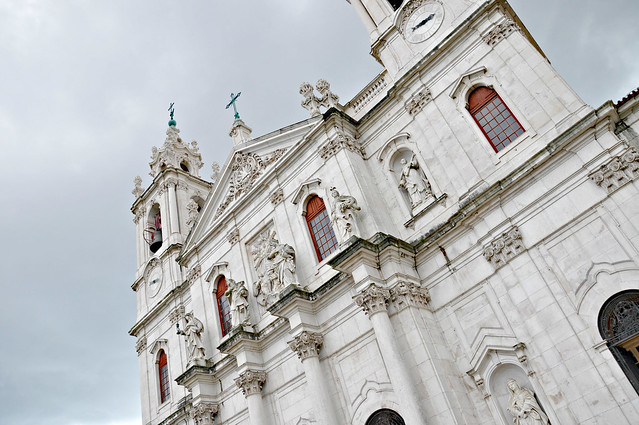
Foram várias as vezes que passei pela Basílica (ficava perto da Universidade onde estudei) e foi preciso sair do país para visitá-la. Desconhecia o seu interior e a sua história mas numa dessas idas a Lisboa com mais tempo para passear não hesitámos em visitá-la e depois dar um passeio no Jardim da Estrela.
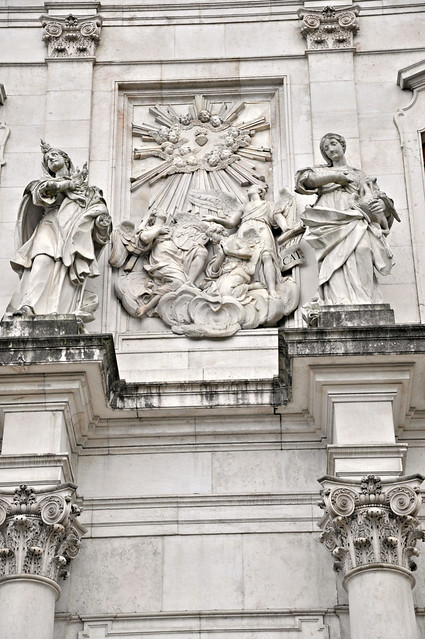
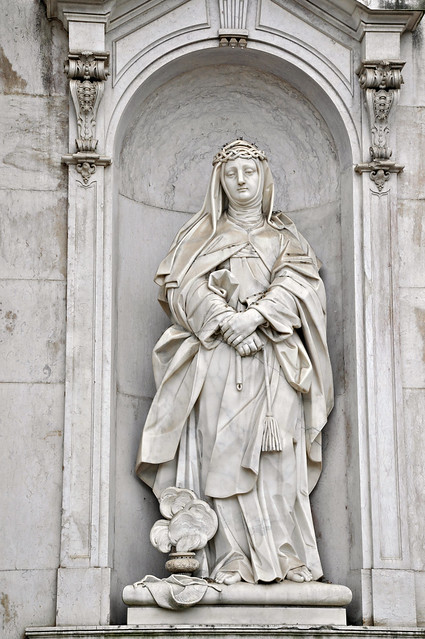
Construída e inaugurada a finais do século XVIII, foi um pedido especial da Rainha D. Maria I e é nela que repousa agora. 

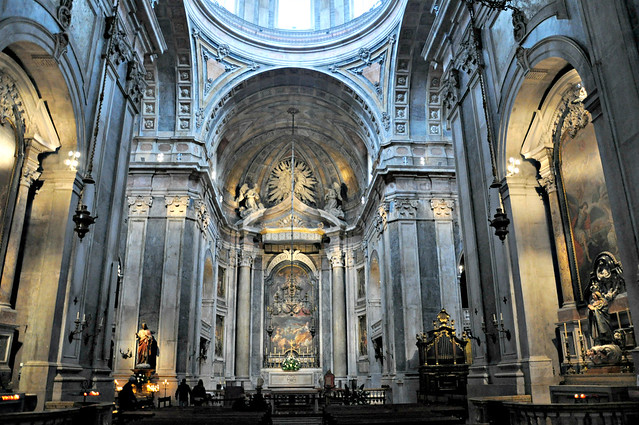
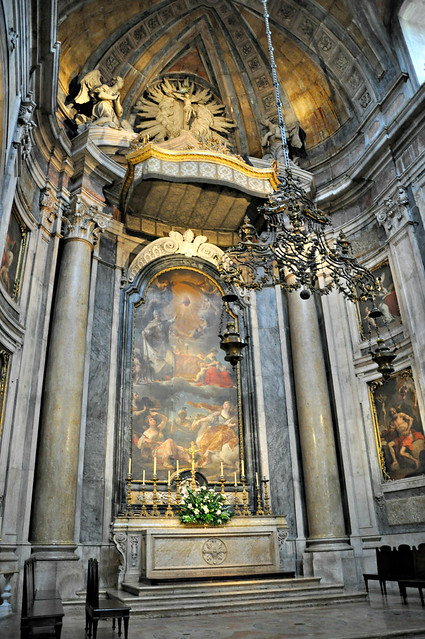
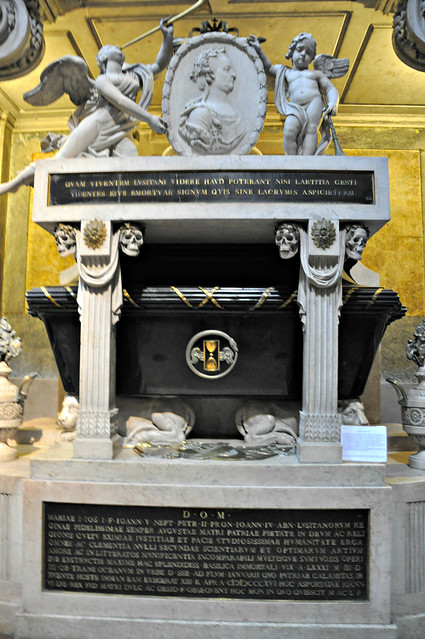
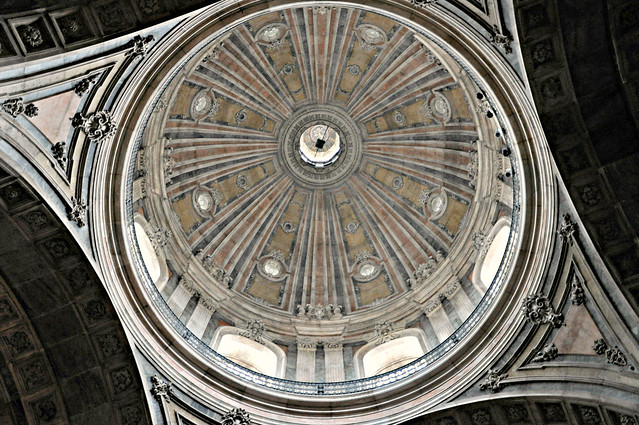
A Rainha pretendia construir a Basílica e o Convento como promessa quando tivesse um filho varão, o seu desejo foi satisfeito mas apenas o seu quarto filho homem chegaria a Rei (os restantes três faleceram). O seu túmulo não é difícil de identificar e está a meio da igreja que está dedicada ao Sagrado Coração de Jesús. Com uma forma de cruz latina e um estilo entre o barroco e o neoclássico, o que mais destaca para mim é a sua cúpula e o altar-mor onde estão as pinturas de Pompeo Batoni. Dizem que foi a primeira igreja no mundo dedicada a este ritual do Sagrado Coração e a Batoni tentou retratar a sua Consagração na pintura central do altar.
Sombria porque o dia não lhe permitia ter mais luz, tem um lugar na história da cidade e é um marco do reinado de D. Maria, vale a pena visitar.
 
The Queen wanted to build the Basilica and the Convent as a promise when she had her first son, her desire was satisfied but only his fourth son come to be King (the remaining three died). Her tomb is not difficult to identify and is in the middle of the church dedicated to the Sacred Heart of Jesus. With a shape of a Latin cross and a style between Baroque and Neoclassical, what most stands out to me is its dome and the altar where you can see the paintings of Pompeo Batoni. They say it was the first church in the world dedicated to this ritual of the Sacred Heart and the Batoni tried to portray the consecration in central altar painting.
Darker because the day did not allow it to have more light, has a place in the history of the town and is a landmark of the reign of Queen Mary, is worth visiting.


Morada: Praça da Estrela
Metro: Não existe perto (Rato seria o mais próximo); Os eléctricos 25 e 28 param na Praça.
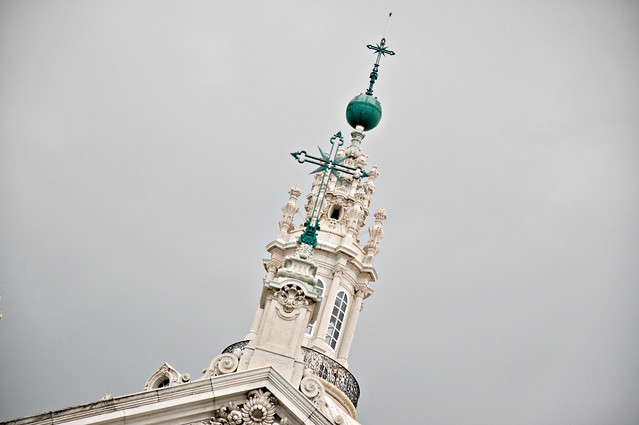
A entrada é gratuita e é possível subir á cúpula.
 
Our guide of:
http://hojeconhecemos.blogspot.com.es/p/guia-de-lisboa.html

Theatinerkirche – Munique, Alemanha

A igreja Teatina destaca pela sua colorida fachada na praça de Odeón, de estilo barroco foi construída no século XVII por dois arquitectos, o primeiro foi o italiano Agostino Barelli e depois o suiço Enrico Zuccalli deu continuidade ao seu trabalho. No seu interior chama a atenção a imensa luz que tem e os vários detalhes em estuque, foi consagrada no ano de 1675.
The Teatina church stands out for its colorful facade on the Odeon Square, it was built in Baroque style in the seventeenth century by two architects, the first was the Italian Agostino Barelli and then the Swiss Enrico Zuccalli continued his work. The inside the immense light draws our attention and also the stucco work, it was consecrated in the year 1675.

Continue a ler “Theatinerkirche – Munique, Alemanha”

do: SAINT THOMAS CHURCH – NOVA IORQUE, EUA

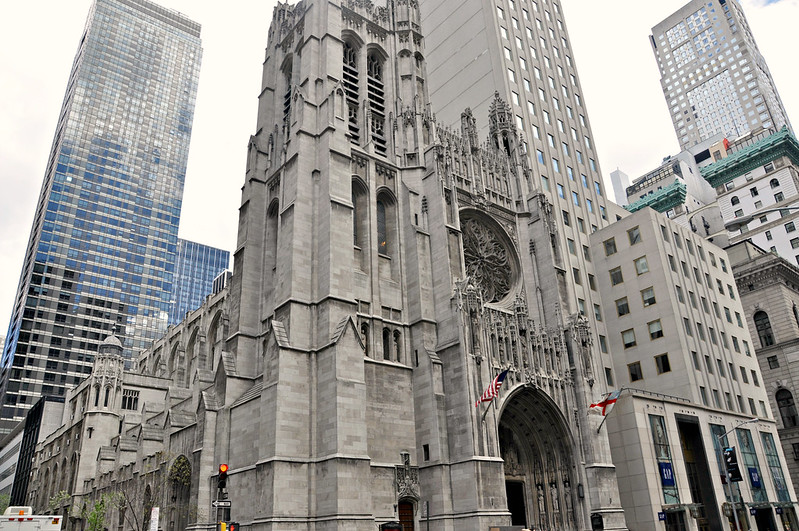
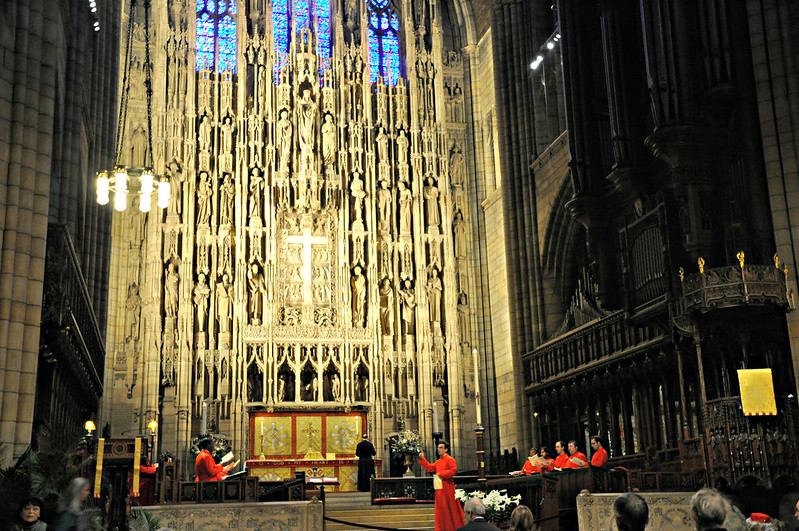
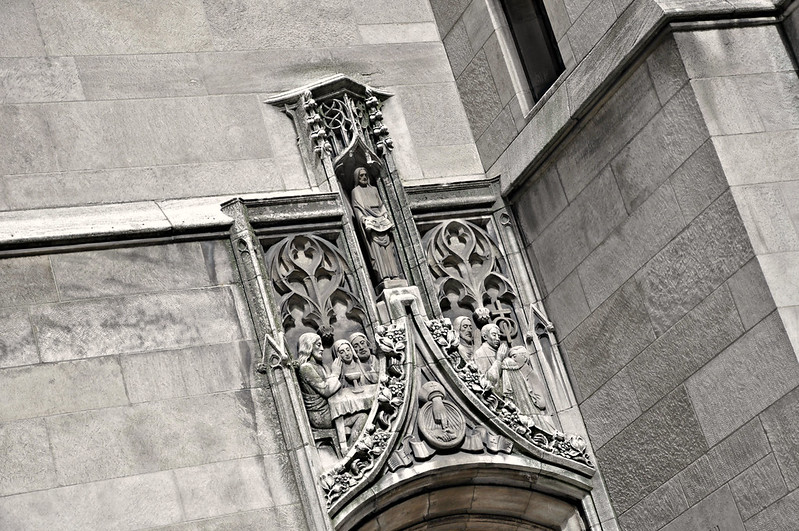
É difícil encontrar esta igreja em alguns guias, a que sempre aparece é a vizinha Saint Patrick’s Cathedral mas depois de a visitar posso garantir que vale muito a pena. Ajudou o facto de ter entrado enquanto o seu famoso coro estava a actuar e é realmente maravilhoso. A construção começou no final do século XIX e abriu ao público em 1913 altura em que a cidade pode contemplar o seu estilo neogótico.
 
It is difficult to find this church in some guides, the one that always is in is the nearby Saint Patrick‘s Cathedral but after visiting Saint Thomas I can guarantee that is worthwhile. It did help the fact we got in its famous chorus was performing and it’s really wonderful. Construction began in the late nineteenth century and opened to the public in 1913 when the city could contemplate his Gothic Revival style.

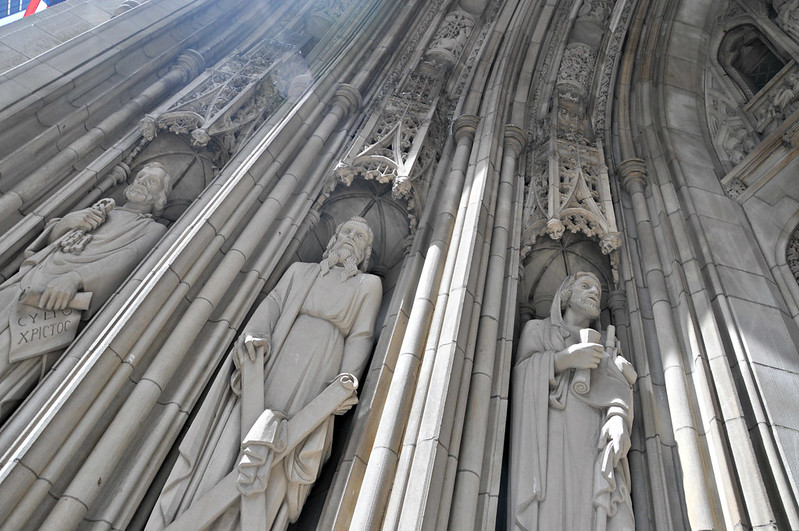
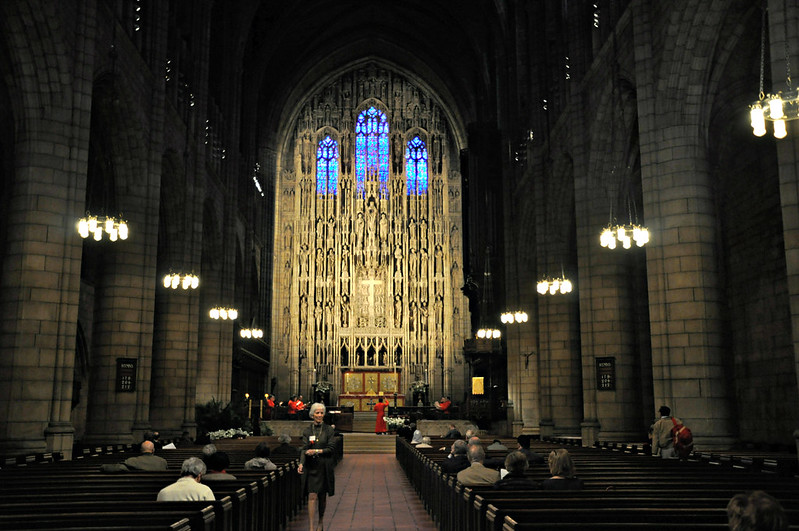
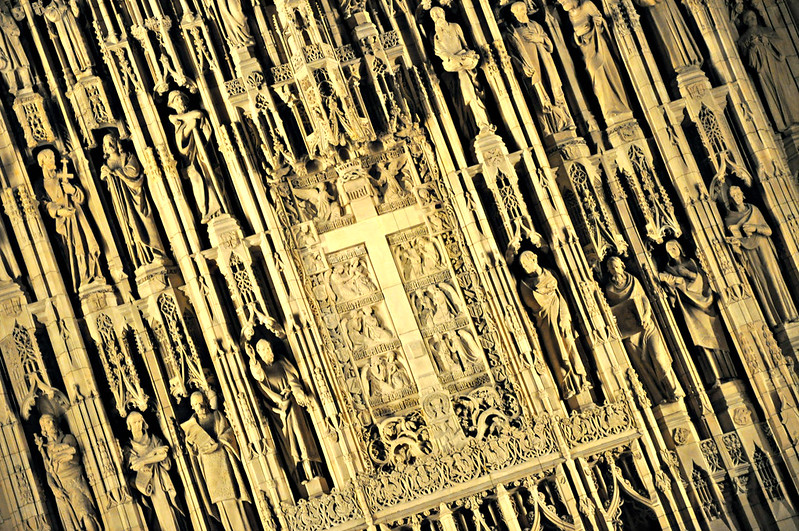
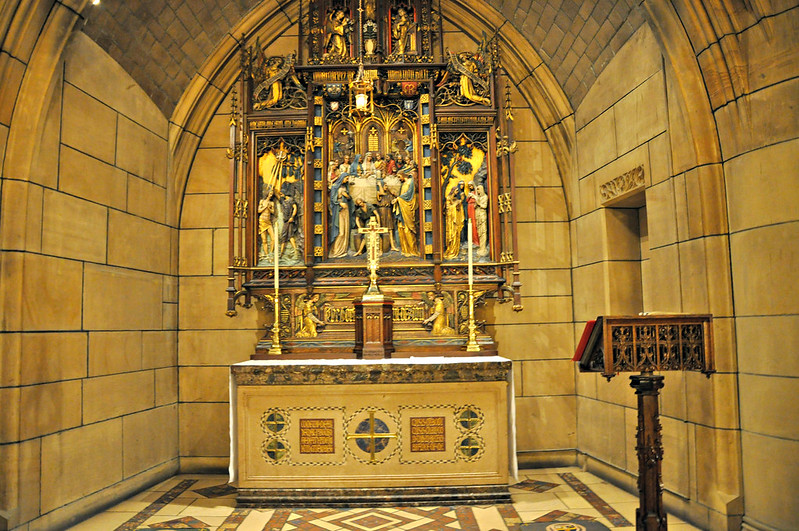
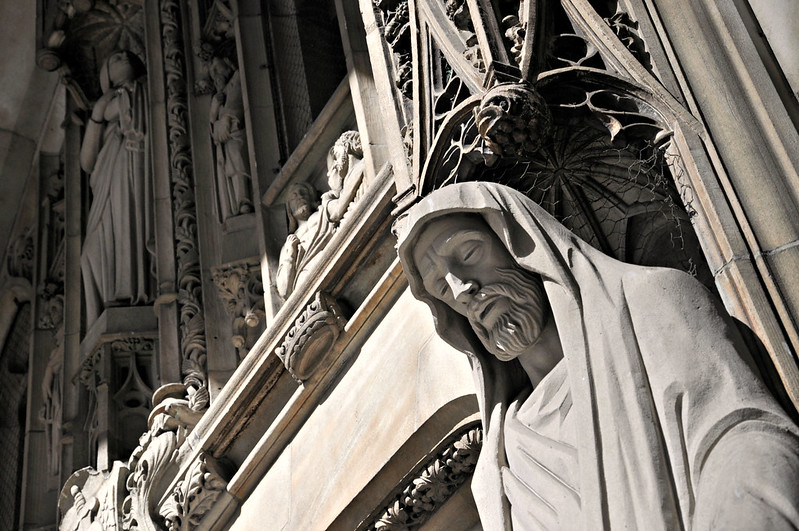
Gostei muito do seu altar-mor com os três vitrais em cima e cerca de sessenta estátuas, foi criado pelo arquiteto Bertram Grosvenor Goodhue e pelo escultor Lee Lawrie num trabalho impresionante que para além das belas vozes do coro que ouvimos naquele domingo, foram o ponto alto da nossa visita a Saint Thomas.
Numa das laterais da igreja está um memorial da I Guerra Mundial, chamou-nos a atenção pelo escudos de vários países e um deles foi o de Portugal e nessa mesma parede estão os nomes dos que nela combateram.
 
I really liked it’s altar with three stained glass windows above and around sixty statues, was created by architect Bertram Grosvenor Goodhue and sculptor Lee Lawrie an impressive job that in addition to the beautiful voices of the choir we heard that Sunday was the the best of our visit to Saint Thomas.
In a side of the church there is a memorial of World War I, it called our attention by  the heraldies of various countries and one of them was of Portugal and in that same wall are the names of those who fought in it.


Website: http://www.saintthomaschurch.org/
Morada: 1 West 53rd Street (esquina com Quinta Avenida)
Metro: 5th/53rd Street

Our guide of:
http://hojeconhecemos.blogspot.com/2001/05/guia-de-nova-iorque.html

Trinity Church – Nova Iorque, EUA

Caminhando pelas ruas do Financial District em busca do famoso Touro de Wall Street encontrámos esta igreja e interrompemos o nosso plano inicial para entrar. E isto foi o que achei fantástico de andar por ali, estávamos rodeados por arranha-céus, gente a caminhar com pressa e de repente vês um cemitério antigo adjacente á Trinity church rodeado de árvores e quando entras deixas de ouvir o ruído, encontras alguma paz e tranquilidade.
Walking the streets of the Financial District in search of the famous bull of Wall Street we found this church and interrupted our initial plan to go in. And this was what I found amazing to walk in this place, we were surrounded by skyscrapers, people walking in a hurry and suddenly you see an old cemetery adjacent to Trinity church surrounded by trees and when you enter you stop listening to the noise, finding some peace and tranquility.

Continue a ler “Trinity Church – Nova Iorque, EUA”

do: SAN MIGUEL DE LILLO – OVIEDO, ESPANHA

Visitei esta antes de ir á igreja de Santa Maria del Naranco, estão na mesma estrada do Monte de Naranco mas a de San Miguel está mais acima. Tal como a sua vizinha, a sua construção teve lugar durante o reinado de Ramiro I das Astúrias e foi também considerada Patrimonio da Humanidade por parte da UNESCO. Pode não ser tão monumental como a outra mas não deixa de ter o seu interesse e tive muita pena (outra vez) porque estava também fechada mas segundo o edital na sua porta era por obras.
 
I visited this before going to the church of Santa Maria del Naranco, they are on the same road of Mount Naranco but San Miguel is higher. Like its neighbor, its construction took place during the reign of Ramiro I of Asturias and was also considered a World Heritage by UNESCO. May not be as monumental as the other but it is still interesting and I was (once again) sorry because it was also closed that according to the announcement on the door it is because of reconstruction work.

Dizem que a igreja original era bastante maior mas que a sua deterioração fez com que no século XIV apenas sobrevivesse a parte que vemos hoje. Ainda assim há muito pouco tempo tiveram que fazer obras de restauro porque se temia que não aguentasse por muito mais.
Enquanto Santa Maria del Naranco servia como uma residência do rei, San Miguel de Lillo que está dedicada ao Arcanjo foi construída como igreja e assim se manteve desde o século IX. Faltou ver a Santa Cristina de Lena que também fará parte do grupo de edificações que Ramiro I mandou fazer durante o seu reinado, cuja beleza era suficientemente valiosa para defendê-la dos inimigos. As Astúrias têm tudo: montanha, mar, praia, boa comida, boa bebida, boa gente e monumentos que testemunham a sua história.
 
They say that the original church was much larger but deterioration caused that ​​in the fourteenth century that the only part we see today was what survived. Still very recently they had to do restoration work because it was feared that it would not hold for much longer.
While Santa Maria del Naranco served as a residence of the King, San Miguel de Lillo which is dedicated to the Archangel was built as a church and held since the ninth century. I missed out the  Santa Cristina de Lena that is also be part of the group of buildings that Ramiro I had ordered during his reign, whose beauty was valuable enough to defend it from enemies. Asturias has everything: mountains, sea, beach, good food, good drink, good people and monuments that testify to its history.
 

Our guide of:
http://hojeconhecemos.blogspot.com/2001/11/guia-de-oviedo.html

Santa Maria del Naranco – Oviedo, Espanha

Voltei a Oviedo mas a trabalho, aproveitei para visitar os dois monumentos de arquitectura pré-românica da cidade, foi uma excelente experiência porque fui a um dia de semana ás dez da manhã e era a única pessoa a explorá-los. O que mais impressiona é a sua idade, foi construída no século IX e fazia parte do palácio que o Rei Ramiro I construiu no Monte de Naranco.
I returned to Oviedo but this time to work, I used it to visit the two monuments of pre-Romanesque architecture of the city, it was a great experience because it was a weekday morning at ten and I was the only person to exploit them. What is most impressive is it’s age, it was built in the ninth century as part of the palace that King Ramiro I built on Mount Naranco.

Continue a ler “Santa Maria del Naranco – Oviedo, Espanha”

do: BASILICA DE S. JORGE – PRAGA, REP. CHECA

Dizem ser a igreja mais antiga da zona do Castelo de Praga e a segunda mais antiga da cidade, apesar da sua fachada barroca o seu interior é de estilo românico. Foi construída no século X e fundada por Vratislav I cujo túmulo feito em madeira podemos ver antes de subir ás capelas no segundo patamar.
 
Said to be the oldest church in the area of the Prague Castle and the second oldest in the city, despite its baroque facade the interior is Romanesque. It was built in the X century and founded by Vratislav whose tomb is made ​​of Wood that we see before going up to the chapels on the second level. 


Ao subir as escadas podemos ver a Capela de St. Ludmila, mãe de Vratislav que foi construída no século XIV com um estilo gótico. No interior dessa capela está o túmulo com os seus restos mortais e a história de Ludmila fez dela uma mártir, foi assassinada pela sua nora Drahomira por achar que tinha mais influência sobre Wenceslau (seu neto) que a própria mãe. Podemos ver no topo da capela algumas pinturas do Renascimento onde numa delas estaria representada a santa.
Por baixo está uma cripta medieval do século XII onde podemos ver uma escultura de bronze de Brigita representando o corpo de uma jovem em decomposição como um símbolo da fragilidade humana.
Depois da grandiosidade da Catedral de S. Vitus parece que a basilica é um monumento mais pobre, na realidade é igual de rico em história e talvez mais emblemático ao visitar.
 
When you climb the stairs you can see the Chapel of St. Ludmila, the mother of Vratislav which was built in the fourteenth century with a Gothic style. Inside this chapel is the tomb with her remains and the story of Ludmila made ​​her a martyr, she was murdered by her daughter in-law Drahomira who thought she had more influence on Wenceslas (her grandson) that his own mother. We can see the top of the chapel some paintings of the Renaissance era where in one of them the saint was represented.
Beneath there is a medieval crypt twelfth century where we can see a bronze sculpture of Brigita representing the body of a Young woman decaying as a symbol of human frailty.
After the grandeur of the Cathedral of St. Vitus seems that the basilica is a monument poorest but actually equals it in rich history and perhaps is the most emblematic visit.


Our guide:

Peterskirche – Munique, Alemanha

Visitámos a igreja á segunda tentativa porque na primeira estava a celebrar-se a missa. Logo no inicio da nossa visita um quadro com várias fotografías captou a minha atenção, nelas a Peterskirche estava práticamente destruída pelos bombardeios da Segunda Guerra Mundial. Em Dezembro de 1944 o interior desta igreja ficou reduzida a cinzas mas a sua estrutura exterior e principalmente a fachada conseguiram sobreviver.
We visited the church on our second attempt because the in the first it was celebrating mass. Early on in our visit a framework with several photographs captured my attention in them Peterskirche was virtually destroyed by the bombings of World War II. In December 1944 the interior of this church was reduced to ashes but most of it’s exterior and facade survived.

Continue a ler “Peterskirche – Munique, Alemanha”

Orsanmichele – Florença, Itália

Passeávamos pela Via Cazaiuoli vendo as montras quando o edificio de Orsanmichele nos chamou a atenção. Foi apenas no terceiro dia da nossa estadia a Florença que a visitámos sem saber muito bem o que era até percebermos que era uma igreja. Também a entrada foi difícil de perceber onde era, pensávamos que era pela Via onde passeávamos antes mas tivémos que contornar a igreja para entrar.
Dentro podemos contemplar o tabernáculo criado por Andrea Orcagna de 1459 com cenas da Virgem.
We walked the Via Cazaiuoli window shopping when the building of Orsanmichele caught our attention. It was only the third day of our stay in Florence that we visited without really knowing what it was until we realized that it was a church. Also the entrance was hard to tell where it was, we tought it was in Via where we walked before but we had to go around the church to get in.
Inside we can admire the tabernacle created by Andrea Orcagna 1459 with scenes of the Virgin.

Continue a ler “Orsanmichele – Florença, Itália”