eat: MERCADO DE SAN ILDEFONSO – MADRID, ESPANHA

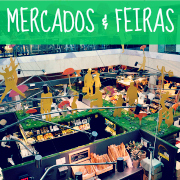
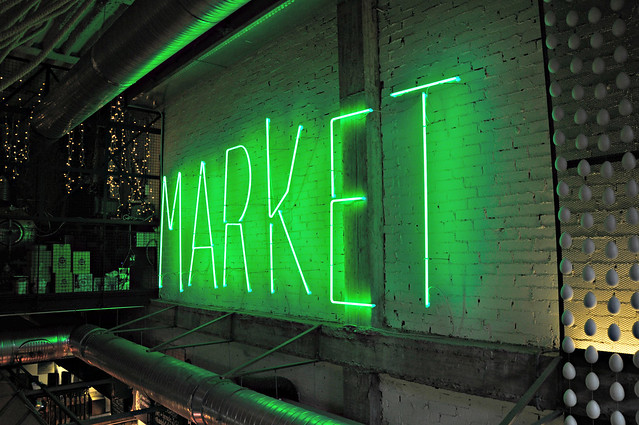
A passear pelo bairro de Malasaña encontrámos um dos novos mercados da zona: o San Ildefonso. Um Street market & co. que abriu este ano de Verão e que procura replicar outros que existem em cidades como Nova Iorque e Londres. Ainda que se assuma diferente dos demais que vão ocupando o seu espaço na oferta gastronómica da cidade achei que o conceito é na sua essência o mesmo, um lugar de encontro social á volta de uma cerveja e boa comida.

A stroll through the neighborhood of Malasaña found one of the new market in the area: the San Ildefonso. A Street Market & co. which opened this year in that summer that seeks to replicate those that exist in other cities like New York and London. Even if it assumes has something different from the others who are getting their space in the culinary offerings of the city I did thought the concept is the same in essence, a place of social gathering around a beer and good food.
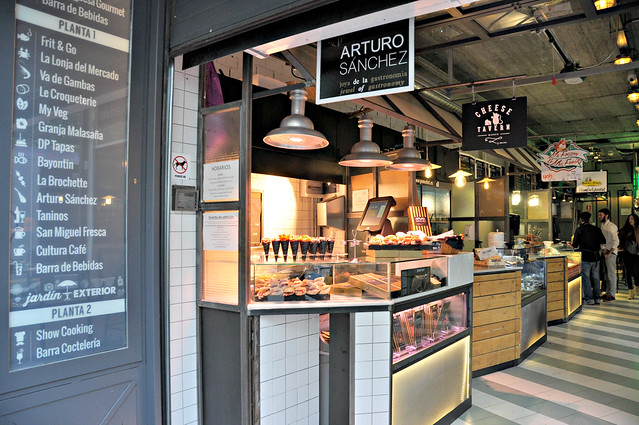
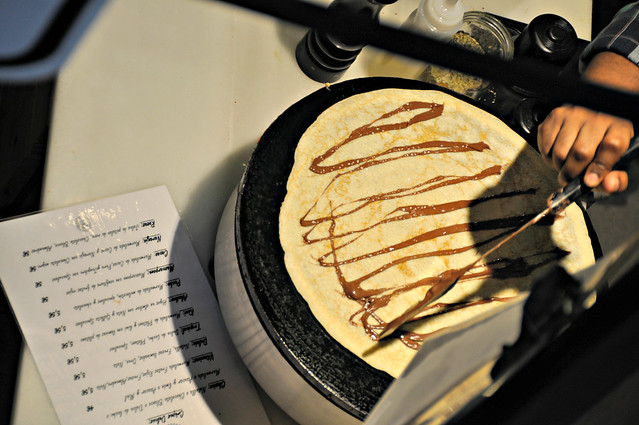
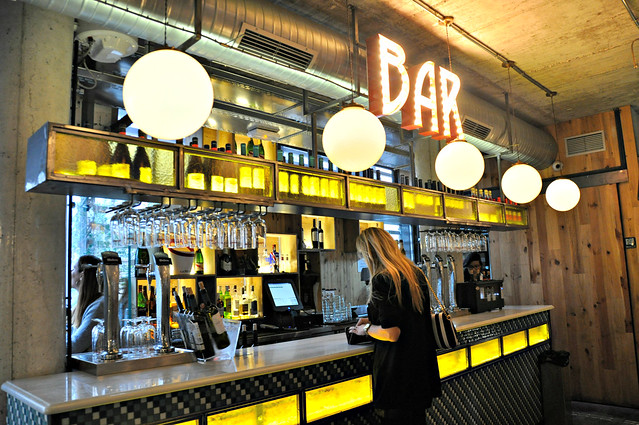
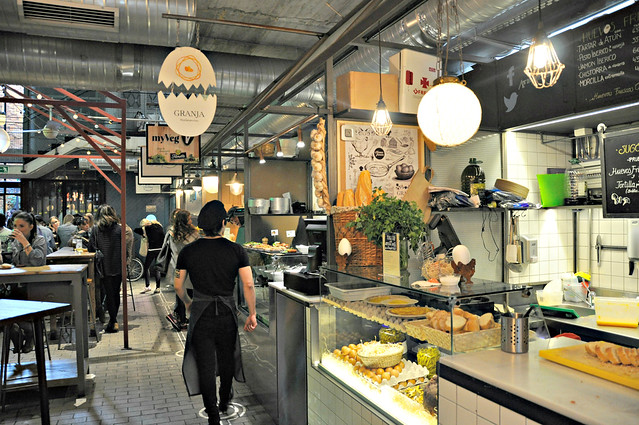
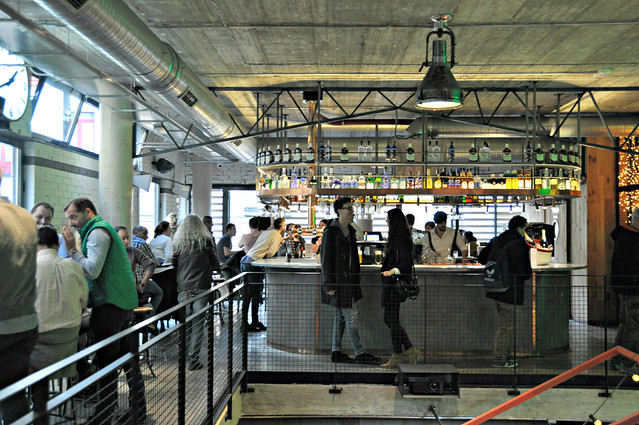
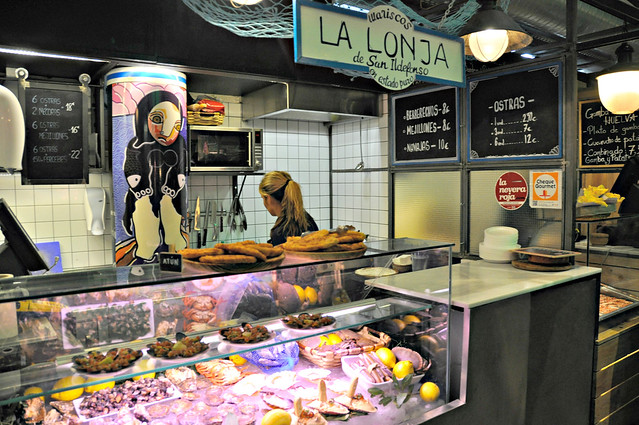
Logo á entrada duas bancas vendem enchidos e queijo mas ao subir vais descobrindo mais sobre o espaço (que não achei particularmente grande) que conta com uma pequena zona com jardim que deve estar á pinha no Verão agora não me pareceu a opção mais agradável. No segundo piso está uma boa parte das bancas que vendem desde marisco, espetadas de carne, hamburgueres, a croquetes e tortilha e para lanchar café, crepes, fruta (cortadinha como gostei de comprar na zona do Veneto em Itália) entre outras coisas. No último piso podemos encontrar mais mesas e um bar.

Right in the entrance two stalls sell sausages and cheese but when going up you discover more about space (I did not find it particularly big) that has a small garden area that should be crowded in summer now it did not seem an enjoyable option. On the second floor is a good part of the stalls selling from seafood, meat kebabs, burgers, to croquettes and a tortilla and for afternoon snacking coffee, crepes, fruit (cut in pieces the way I liked buying in the Veneto region in Italy) among other things. In the last floor one can find more tables and a bar.


Morada: Calle Fuencarral 57
Metro: Tribunal ou Chueca
 
Our guides of:
http://hojeconhecemos.blogspot.com/2001/10/madrid-mercados-feiras.html http://hojeconhecemos.blogspot.com.es/p/madrid.html


PALÁCIOS DE RONQUILLO E SEDEÑOS – ARÉVALO, ESPANHA

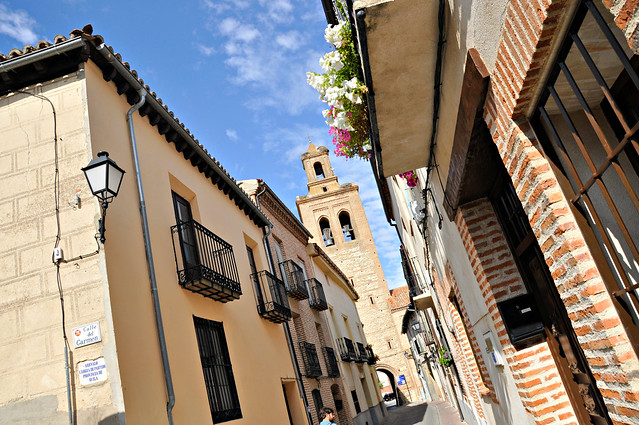
Depois de passar pela Plaza del Real entrámos na Calle de Santa Maria, a mais interessante de Arévalo. Por estar dentro das muralhas da cidade, a meio caminho entre o Castelo e o Palácio Real que estava junto ao Arco de Alcocer, foi o lugar escolhido por várias familias nobres para construir os seus palácios como os de Ronquilla e Sedeños.
After walking through the Plaza del Real we entered the Calle de Santa Maria, the most interesting of Arévalo. Being inside the city walls, halfway between the Castle and the Royal Palace which was at the Arc de Alcocer, it was chosen by several noble families to build in it their palaces such as Ronquilla and Sedeños.

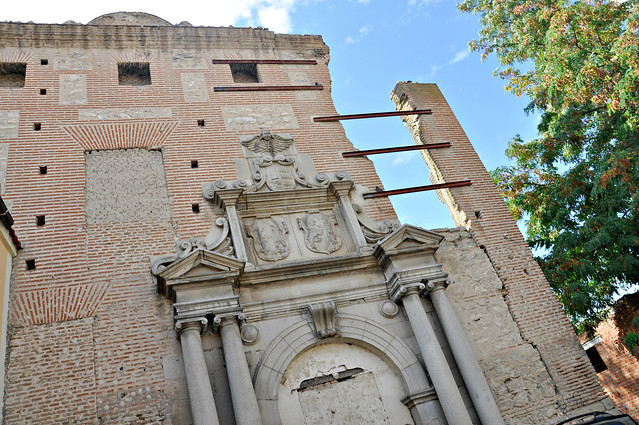
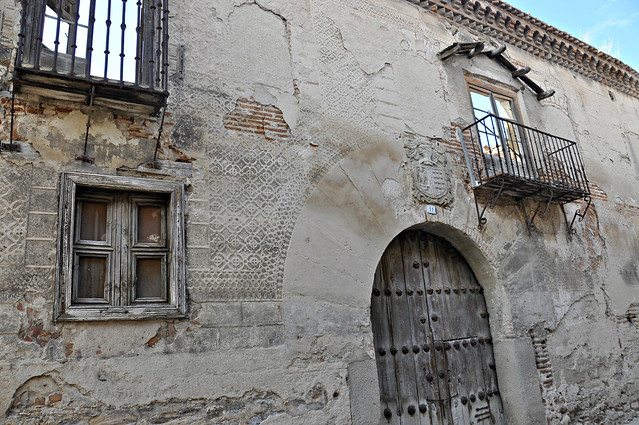
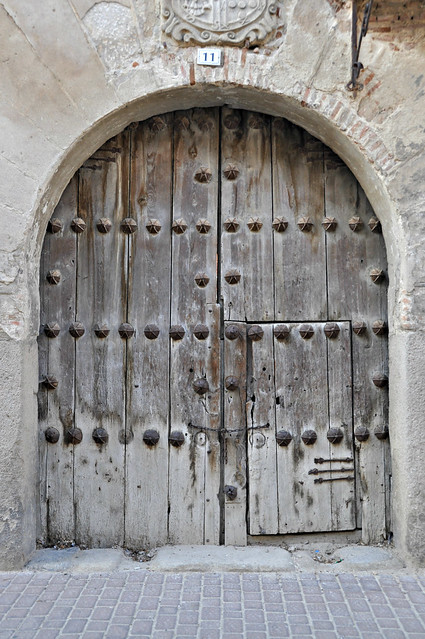
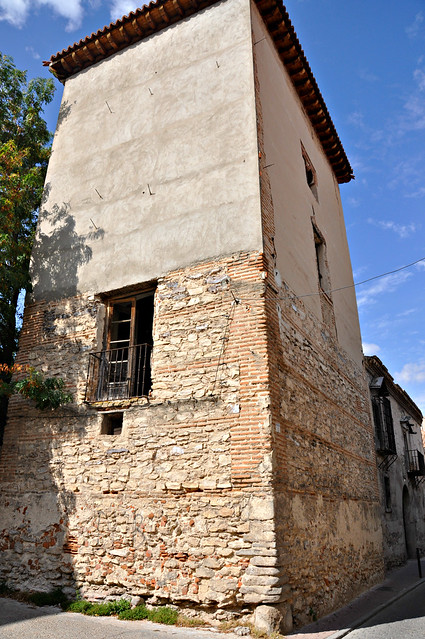
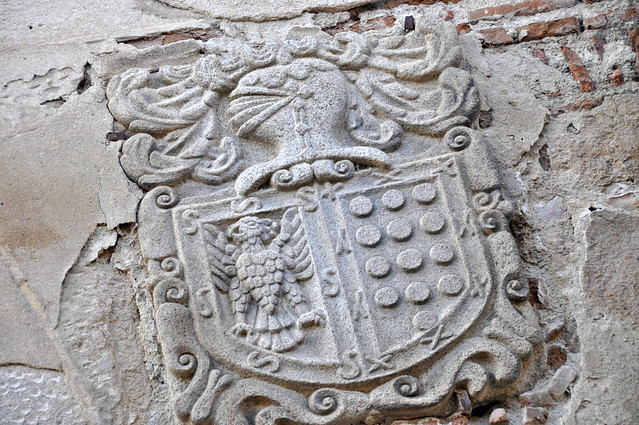
Infelizmente o que podemos ver hoje são fachadas em ruínas, não se conseguiu preservar muito uma vez que estão entregues ao abandono sem qualquer informação sobre se vão ser recuperados ou não. O de Ballesteros Ronquillo tem apenas uma parede de fachada onde podemos ver o arco trabalhado á volta da porta principal e foi construído no século XVI. Ao lado está o de Sedeños do qual podemos ver a torre e a fachada principal onde se destaca o brasão da familia por cima da sua porta medieval. A sua construção é do século XV.
Unfortunately what we see today are crumbling facades, couldn’t manage to preserve much and they are left to the abandonment without any information about whether or not they will be recovered. The Ballesteros Ronquillo has only one wall facade where we can see the arch worked around the front door and was built in the sixteenth century. Next door is the Sedeños of which we can see the tower and the main facade highlighting the coat of the family over it’s medieval door. Its construction is of the fifteenth century.
 

Museu do Ferrocarril – Madrid, Espanha

A primeira vez que visitei o Museu do Ferrocarril foi para conhecer o Mercado dos Motores e a segunda foi durante um evento do TrenBrick 2014 que decorreu este mês de Outubro. Este último por ser mais pequeno e com menos gente para ver permitiu-nos conhecer melhor a essência do Museu e a história dos comboios em Espanha. Está instalado na antiga Estação de Comboios de Delicias que abriu no final do século XIX e deixou de funcionar em 1971 sendo depois transformada no museu que vemos hoje.
The first time I visited the Museo del Ferrocarril was to go to the Mercado dos Motores and the second was during an event of the TrenBrick 2014 held this October. The latter because it was  smaller and less crowded enabled us to know more about the essence of the museum and the history of trains in Spain. Is housed in the former Delicias Train Station which opened in the late nineteenth century and ceased it’s activity in 1971 after being transformed into the museum we see today.

Continue a ler “Museu do Ferrocarril – Madrid, Espanha”

La Maruca – Madrid, Espanha

Finalmente ficámos a saber porque é tão difícil conseguir mesa no La Maruca, uma carta simples com pratos que são grandes acertos e um excelente ambiente com uma decoração acolhedora fazem deste restaurante o êxito. Fomos numa segunda-feira e estava cheio o que confirma o fenómeno.
Está dividido em três espaços, logo há entrada está uma pequena (e igualmente concorrida) esplanada, depois ao descer uns degraus chegámos á sala principal mas ainda há outra no piso de baixo.
Finally we learned why it is so hard to get table at La Maruca, a simple menú with dishes that are big hits and a great atmosphere with a warm decor make this restaurant a success. We went on a Monday and it was full which confirms the phenomenon.
Is divided into three spaces, there is a small (and equally crowded) terrace at the entrance, then we descended a few steps into the main room but there is another on the lower floor.

Continue a ler “La Maruca – Madrid, Espanha”

Madreat – Madrid, Espanha

***2016 – Realiza-se na Casa de Campo***
Vi há pouco tempo o filme “Chef” de John Favreu sobre um cozinheiro de um bom restaurante que recebe uma má crítica e perde o trabalho, volta á origem da sua paixão pela cozinha através da simplicidade da comida de rua viajando com a sua renovada roulote vendendo deliciosas sandes Cubano. Gostei do filme, da sua relação com o filho e reencontro com a verdadeira essência da comida, tinha tanta vontade de experimentar algo assim que quando vi na web todo o burburinho á volta do Madreat fomos a correr.
I recently saw the movie Chef” from John Favreu about a cook of a good restaurant that gets a bad review and loses the jobgoes back to the source of his passion for cooking through the simplicity of street food traveling with his renewed caravan selling delicious Cuban sandwiches. I liked the film, his relationship with his son and his reunion with the true essence of food, I was so eager to try something like that that when I saw on the web the buzz around Madreat I went running.

Continue a ler “Madreat – Madrid, Espanha”

do: PARQUE CERRO DEL TÍO PÍO – MADRID, ESPANHA

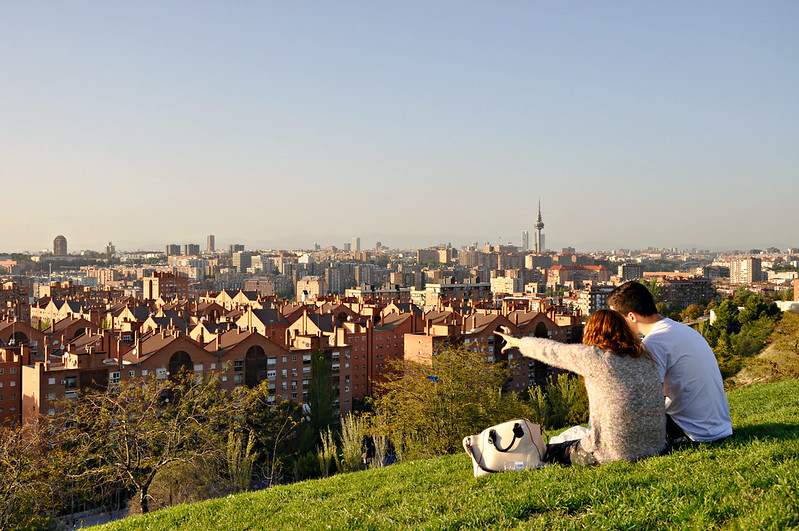
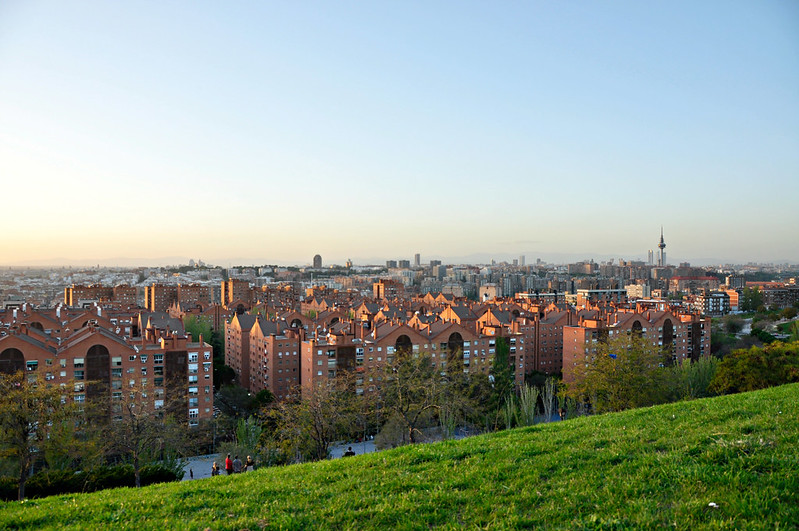
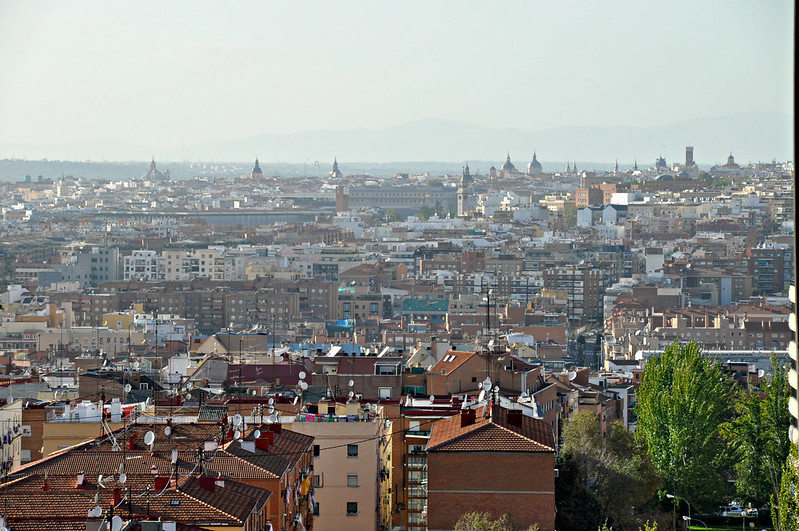
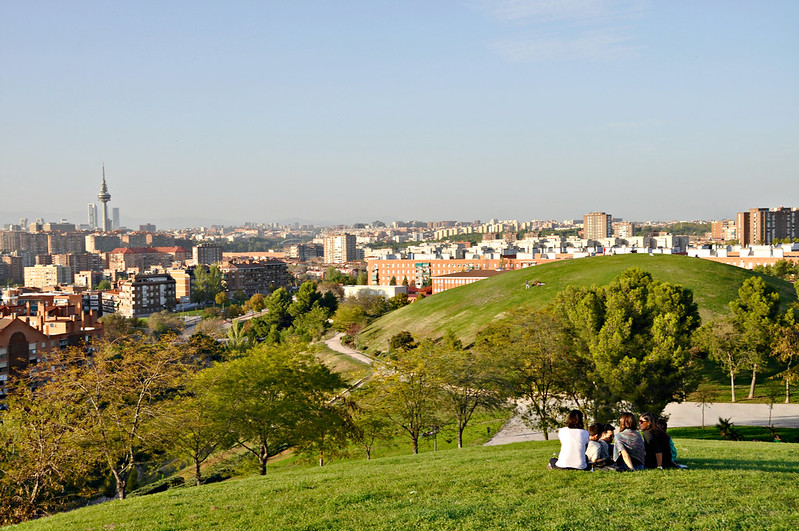
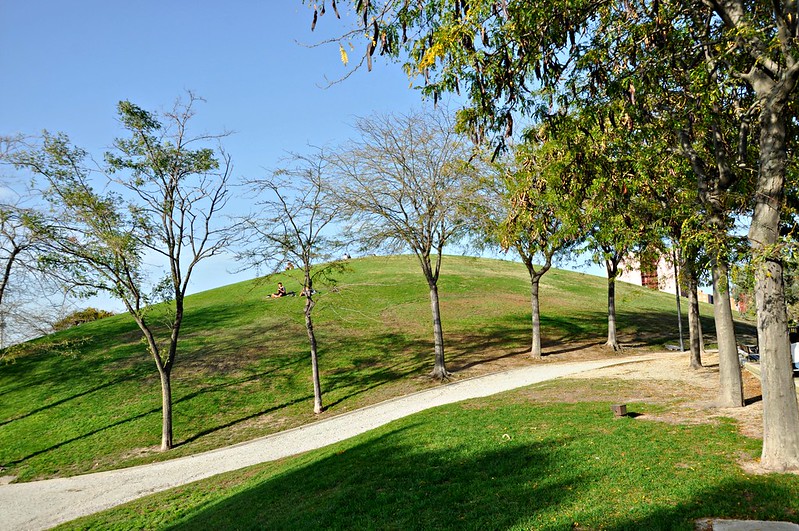
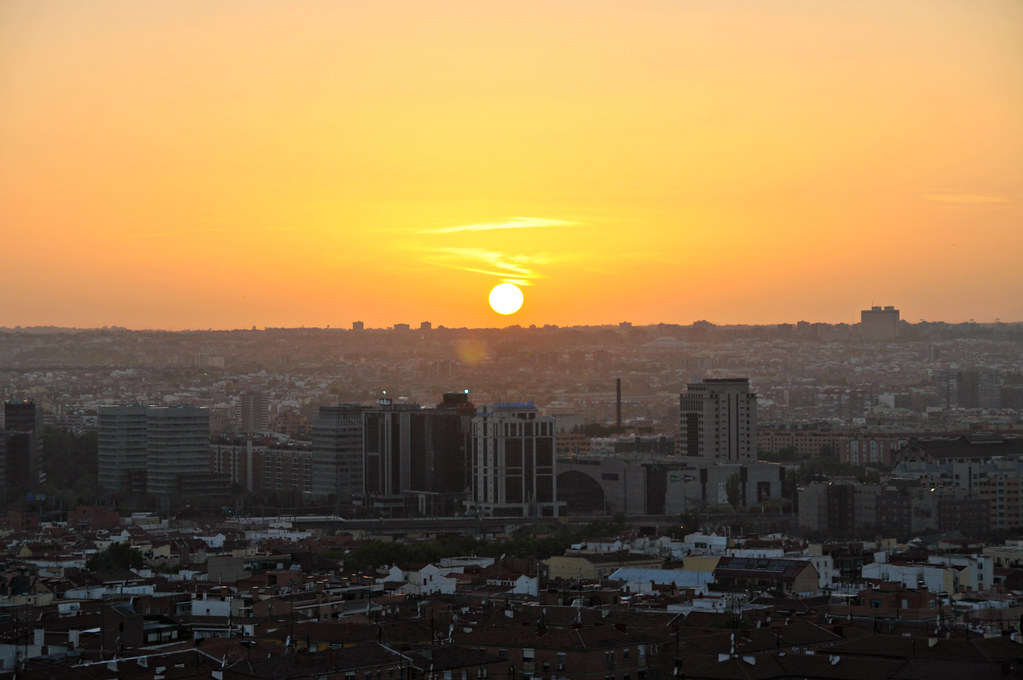
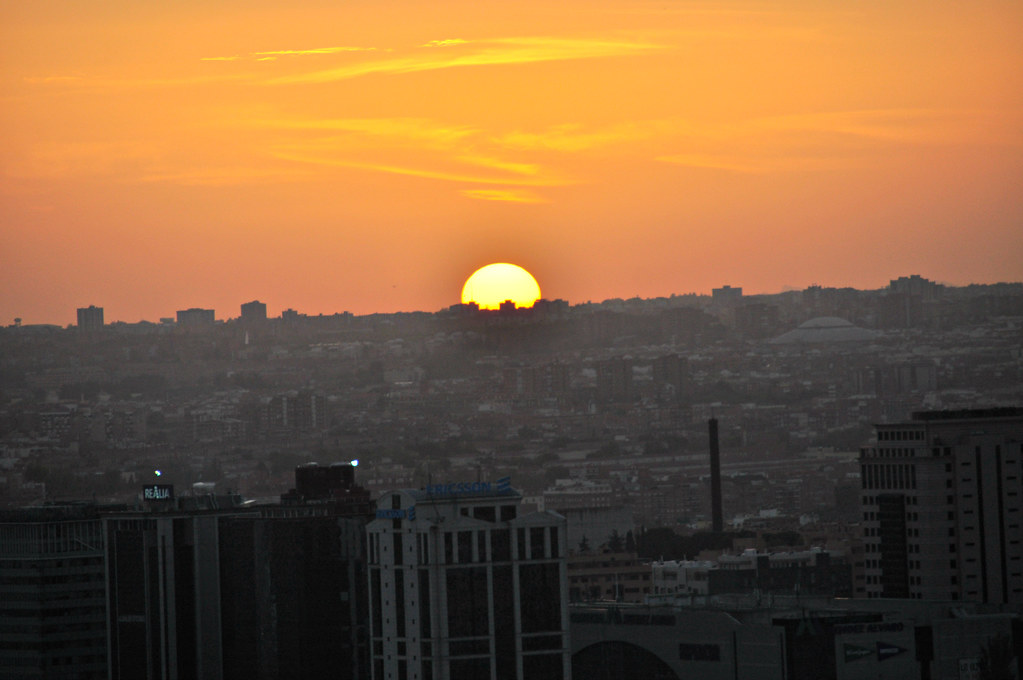
Passando a “fronteira” da M30 chegámos a Puente de Vallecas onde está o parque do Cerro del Tío Pío que é sem dúvida o que tem as melhores vistas sobre a cidade de Madrid. Foi uma excelente final de tarde com os mais pequenos que aproveitaram para brincar na zona infantil e depois subimos a um dos cerros para ver o pôr do sol. Nesse momento as colinas ficam mais concorridas e o mais comum é levar um piquenique para aproveitá-lo da melhor maneira.
 
Passing the frontier” of the M30 we arrived at the Puente de Vallecas where the park Cerro del Tío Pío is, it is undoubtedly the one that has the best views over the city of Madrid. It was a great end of the day with the little ones who played in the kid’s zone and then we went up to one of the hills to watch the sunset. At that time the hills are the busiest and the most common is to take a picnic to enjoy it the best way.

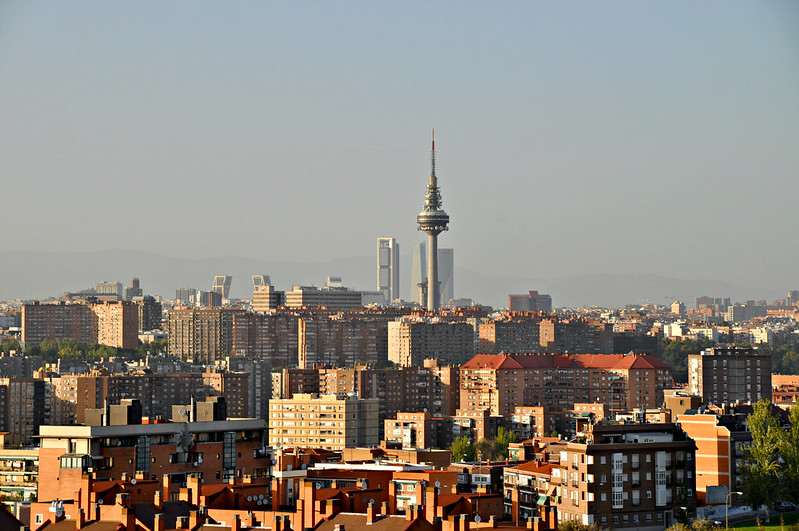
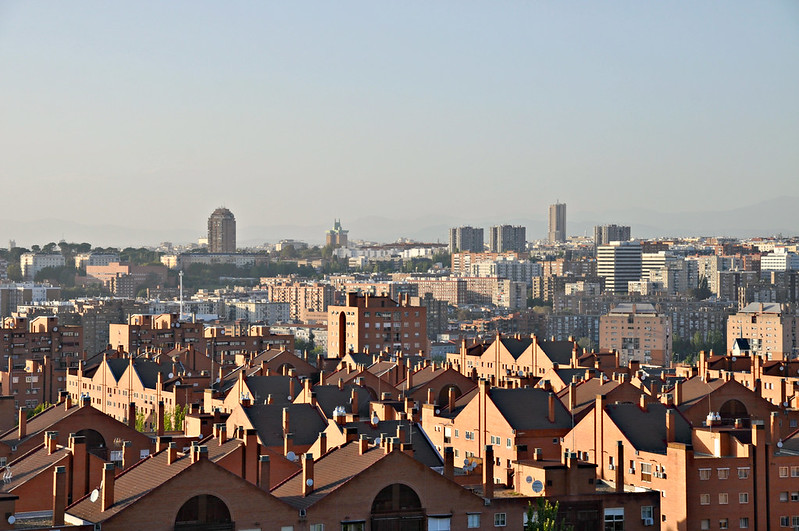
Conhecido também pelo Parque de las Siete Tetas pelos sete cerros que nele existem, foi construído onde antes estavam os residuos de uma fábrica de cerâmica e hoje é um espaço público, utilizado por quem ali vive e pelos o que procuram conhecer melhor Madrid desde um ponto mais alto. Quando o céu está limpo podemos ver a Serra de Guadarrama como pano de fundo mas o que melhor se vê são as Cuatro Torres, as Kio na Plaza Castilla, o edificio da Telefónica na Gran Via e do lado esquerdo vemos os comboios a partir da Atocha.
 
Also known as the Parque de las Siete Tetas by the seven hills that exist in it, was built where once stood the waste of a ceramics factory and is now a public space, used by those who live there and by those who are looking for the best Madrid from a higher point. When the sky is clear you can see the Sierra de Guadarrama in the background but what you see best are the Cuatro Torres, the Kio in Plaza Castilla, the Telefónica building in Gran Via and in the left side we see the train from Atocha.


Morada: Calle Pío Felipe
Metro: Buenos Aires
 
Our guides of:
 http://hojeconhecemos.blogspot.com.es/p/madrid.html

Sushi Shop – Madrid, Espanha

Há algum tempo que o Sushi Shop da Serrano me despertava curiosidade, mais ainda depois de ver uma em Paris e quando uma reunião de trabalho me levou ao Bairro de Salamanca não hesitei em experimentar. São várias a cidades europeias que contam com este franchising desde Nova Iorque, Londres, Bruxelas, Barcelona, Milão entre outras. O espaço na Serrano tem a opção de Take-away e um restaurante.
For some time the Sushi Shop of Serrano was generating some curiosity even more after seeing one in Paris and when a meeting took me to the neighborhood of Salamanca I did not hesitate to try itThere are various European cities that rely on this franchise from New York, London, Brussels, Barcelona, Milan and others. The space in Serrano has the option to take-away and restaurant.

Continue a ler “Sushi Shop – Madrid, Espanha”

JARDINES DEL DESCUBRIMENTO – MADRID, ESPANHA

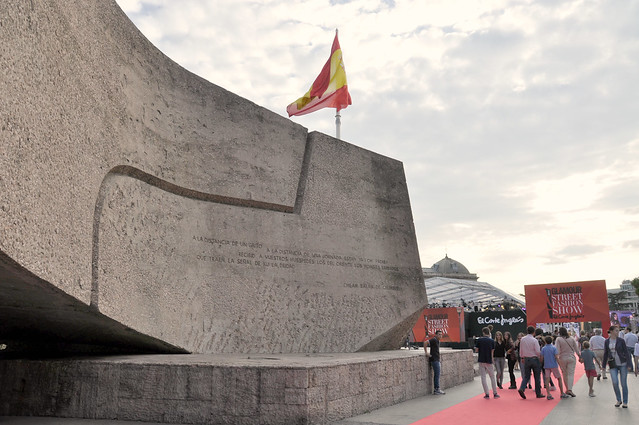
Sempre que pensó nos Jardines del Descubrimento penso em eventos sejam desportivos, culturais ou sociais porque quase sempre quando passamos por aqui há algo acontecer. A última vez foi o Glamour Street Fashion show onde conseguimos ver o ensaio com a modelo Martina Klein como apresentador.
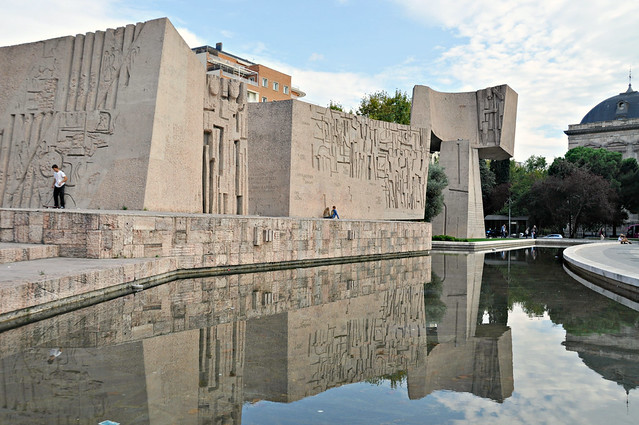
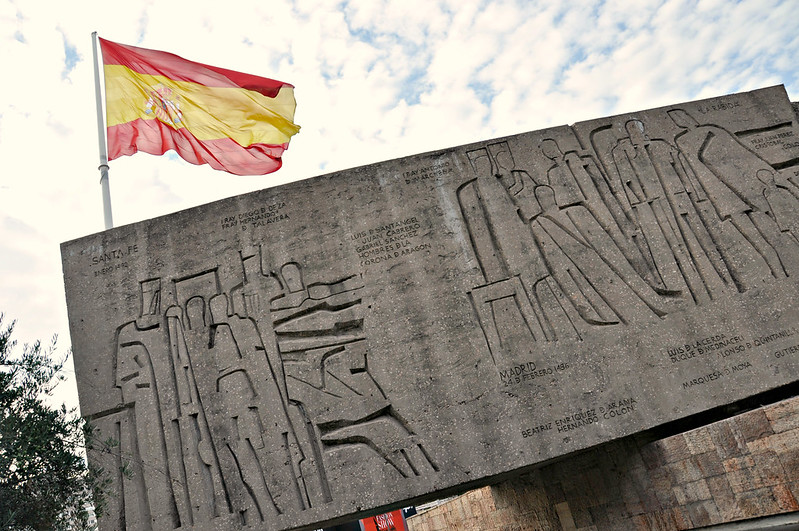
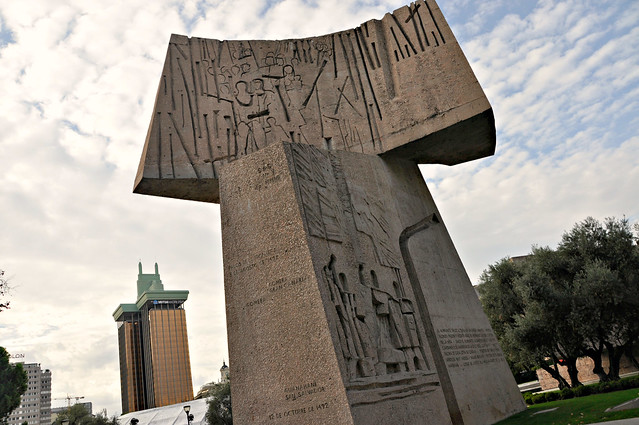
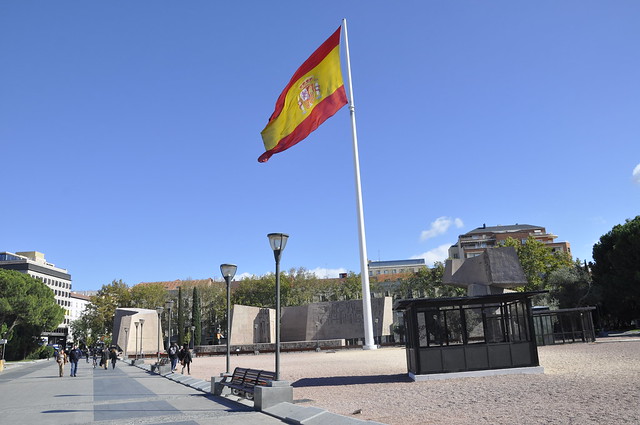
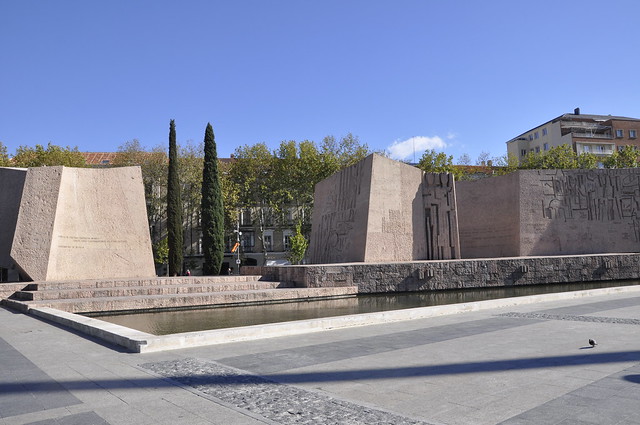
Foi inaugurado na década de 70 para celebrar o Descobrimento da América por Cristovão Colombo e por isso os jardins estão dentro da Plaza Colón (Colombo).
 
Whenever I think of the Jardines del Descubrimento think of sports, cultural or social events because almost always when we go through there is something happening. The last time was the Glamour Street Fashion show where we can see the rehearsal with model Martina Klein as a presenter.
It was opened in the 70s to celebrate the Discovery of America by Christopher Columbus and that’s why the gardens are within the Plaza Colón (Columbus).

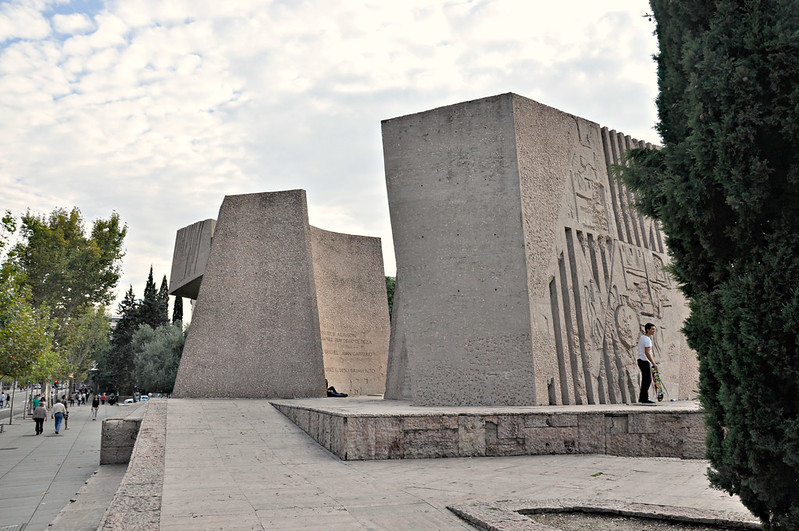
A estátua de Colombo estava originalmente nos Jardins e foi depois deslocada para o centro da praça com o seu nome. Tem três grandes bloques de betão que procuram representar as três carabelas – La Niña, La Pinta e La Santa Maria – que chegaram á América e em cada um estão escritos sobre essas aventuras marítimas. Por baixo da praça está o Centro Cultural de la Villa onde vimos a exposição dos Guerreiros de Terracota de Xian.
 
The Columbus statue was originally in the Gardens and was then shifted to the center of the square with his name. It has three large concrete blocks that seek to represent the three caravels La Niña, La Pinta and La Santa Maria  that went to America and in each there are writtings about these maritime adventures. Beneath the square is the Centro Cultural de la Villa where we saw the exhibition of the Terracotta Warriors of Xian.


Morada: Plaza Colón
Metro: Colón
 

Our Guide of:
http://hojeconhecemos.blogspot.com.es/p/madrid.html


PLATEA – MADRID, ESPANHA

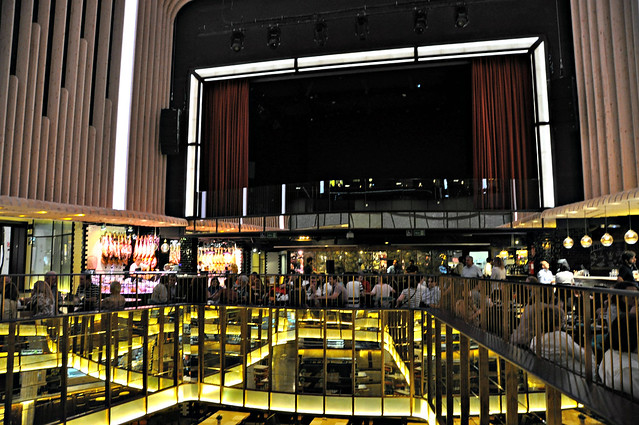
Abriu nos antigos cinemas de Carlos III esta original proposta de “ócio gastronómico” (segundo asume o seu site oficial), já tinha lido algo sobre o Platea em vários blogs de Madrid mas foi preciso ver ao vivo para entender melhor o seu conceito. Primeiro acho o ambiente original, ainda que o (encerrado) Teatriz tivesse a mesma premissa aproveitar a sala de um teatro ou cinema como pano de fundo para uma experiência gastronómica. A diferença está que o Plateia não oferece apenas uma experiência mas várias.
Opened in the old cinemas of Carlos III this original proposal gastronomic idleness(according to their official website), had read something about Platea on various blogs Madrid but had to see it live to better understand the concept. First I think the environment is original, even if the (closed) Teatriz had the same premise of taking advantage of the room of a theater or cinema as a backdrop for a dining experience. The difference is that the Plateia offers not only an experience but several.

Continue a ler “PLATEA – MADRID, ESPANHA”

do: PLAZA DE LAS CORTES – MADRID, ESPANHA

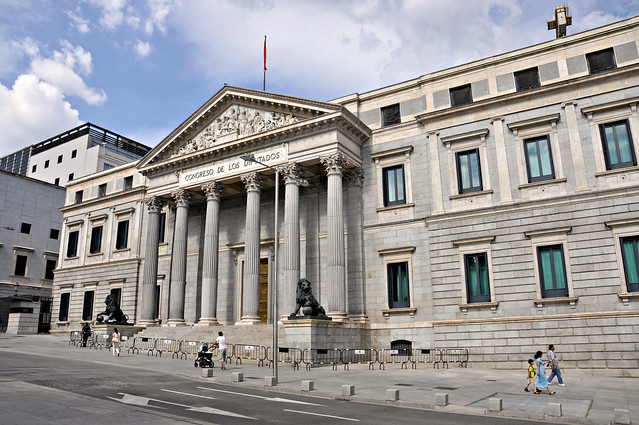
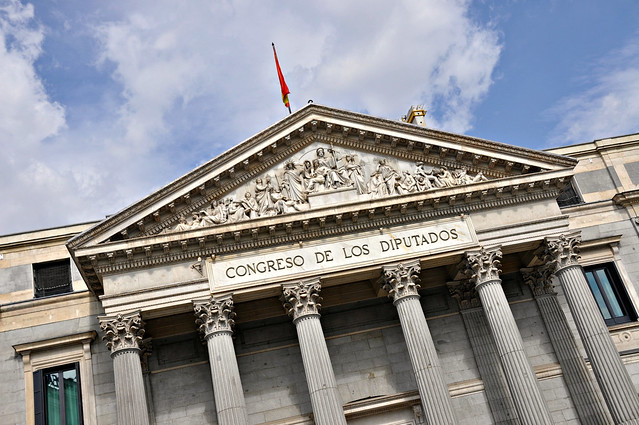
O edificio mais importante de esta praça é o antigo de Las Cortes que hoje é conhecido como Congresso dos Deputados (Congreso de los Diputados) e sede do parlamento.
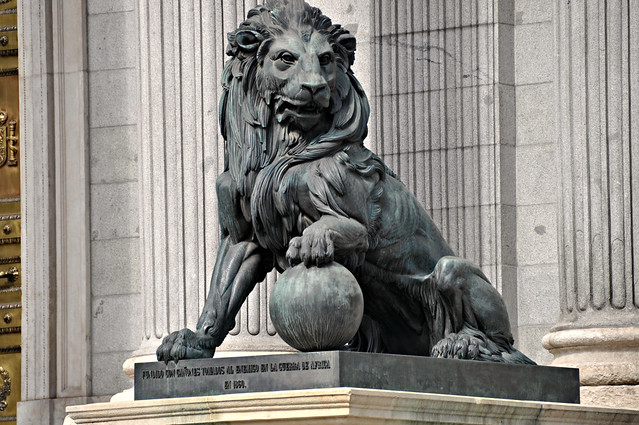
Foi construído onde existiu um antigo convento que no século XIX foi destruído num incêndio. O actual edificio foi projectado por Narciso Pascual y Colomer em 1843 e para além da sua impressionante fachada, a principal atracção são os seus leões de bronze criados em 1866 utilizando material de canhões.
 
The most important building of this square is the old Las Cortes that is now known as the Congress of Deputies (Congreso de los Diputados) and seat of parliament.
It was built in the place where an old convent used to stand and in the nineteenth century it was destroyed in a fire. The current building was designed by Narciso Pascual y Colomer in 1843 and in addition to its impressive façade, the main attraction is the bronze lions created in 1866 using cannon material.

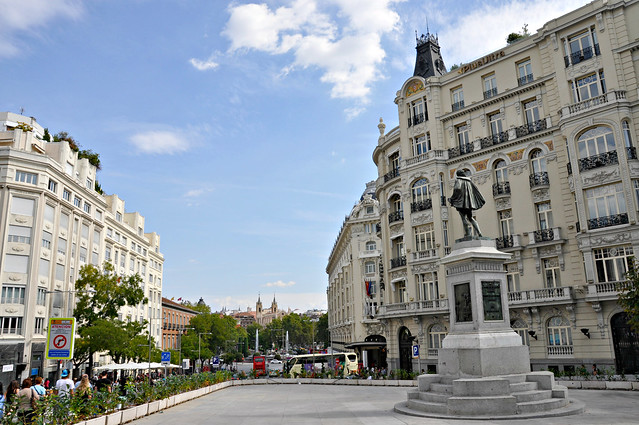
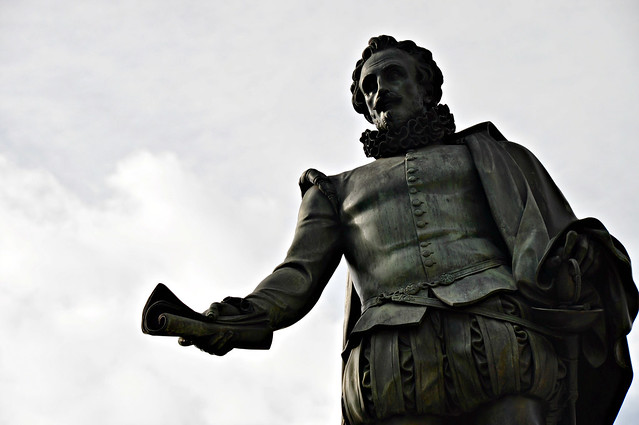
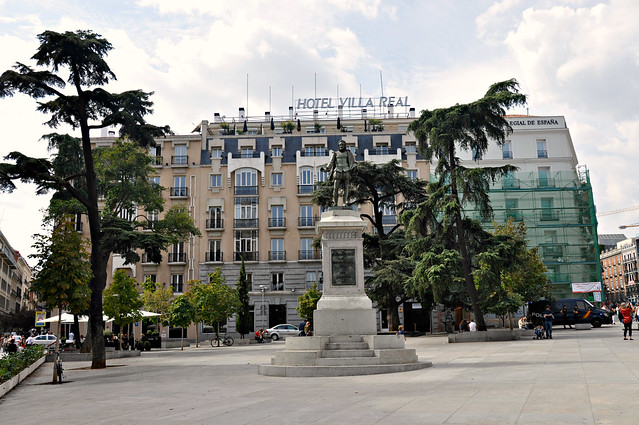
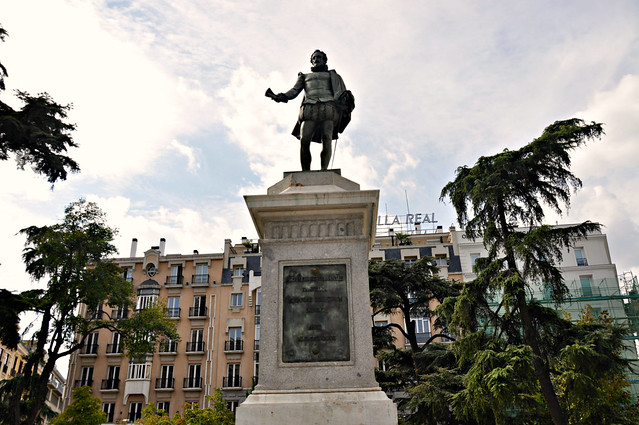
Na praça triangular está a estátua de Miguel de Cervantes também do século XIX e criada por Antonio Solá. Cervantes olha para a Praça de Neptuno que está mais á frente no Paseo del Prado.
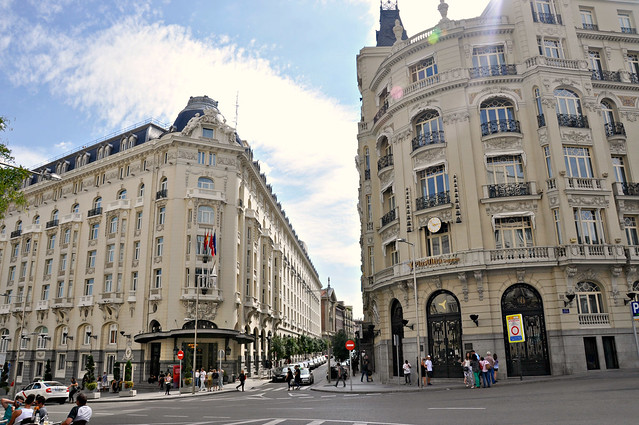
Outro edificio extraordinário é o do Hotel Palace inaugurado em 1912 durante o reinado de Alfonso XIII, obra do arquitecto belga Léon Monnoyer e recebeu muita gente famosa no seu átrio como por exemplo Hemingway, Picasso e Madonna.
É um das portas de entrada no Barrio de las Letras um dos mais animados da cidade com novos restaurante e outros que se renovam.
 
In the triangular square is the statue of Miguel de Cervantes also nineteenth century and created by Antonio Sola. Cervantes looks at the Plaza de Neptuno which is further ahead in the Paseo del Prado.
Another remarkable building is the Palace Hotel opened in 1912 during the reign of Alfonso XIII, the work of Belgian architect Léon Monnoyer and received many famous people in its lobby such as Hemingway, Picasso and Madonna.
It is one of the gateways in the Barrio de las Letras one of the liveliest city with new restaurants and others that are renewed.


Our guides of:
  http://hojeconhecemos.blogspot.com.es/p/madrid.html