do: CATEDRAL DE SAN SALVADOR – OVIEDO, ESPANHA

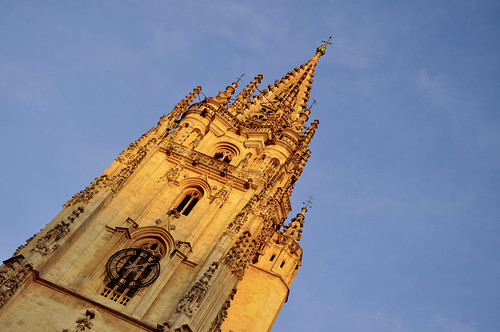
A Catedral de Oviedo é também conhecida como “sancta ovetensis”, dizem que pela quantidade e qualidade de preciosidades que nela se podem encontrar. Uma delas foi declarada Patrimonio Mundial pela Unesco, a Câmara Santa e serve também de panteão para os Reis das Astúrias, entre eles o Rei D. Afonso II, o Casto que ordenou a construção da basílica dedicada a S. Salvador no século IX.
 
The Cathedral of Oviedo is also known as “sancta ovetensis”, they say that  is because of the quantity and quality of gems that can be found in it. One was declared World Heritage by UNESCO, the “Cámara Santa” and it also serves pantheon of the kings of Asturias, among them King Alfonso II the Chaste who ordered the construction of the basilica dedicated to St. Salvador in the ninth century.

 
Por tudo isto e muito mais vale a pena a visita, a entrada é gratuita mas o interior não podemos fotografar porque não é permitido. Para além da Câmara Santa, desta primeira construção do reinado de D. Afonso II sobreviveu ainda a torre de estilo românico.
No século XIV começou a nova edificação da Catedral e demorou três séculos a ficar com o aspecto que podemos ver hoje.
Outra das suas grandes atracções é o retablo da capela maior, feito em madeira representa de forma detalhada as várias fases da vida de Cristo, desde o seu nascimento até á sua morte.

For all this and much more its worth to visit itadmission is free but it’s interior can not photographed it is not allowed. In addition to the Cámara Santa, from this first building the reign of King Afonso II the Romanesque tower also survived.
In the fourteenth century began the construction of the new cathedral and took three centuries to look like we see it today.
Another of its main attractions is the largest altarpiece in the chapel, made of wood represents in detail the various stages of Christ’s life, from his birth until his death.


Junto á fachada principal do lado esquerdo está uma estátua do Rei Afonso II, o Casto. Oviedo foi a cidade que escolheu para ter a sua corte e de ela partiu para combater os mouros.
Não vimos tudo, havia um claustro e um museu mas ficámos apenas pela zona da nave principal e capelas adjacentes.
 
Near the main facade on the left is a statue of King Alfonso II the Chaste. Oviedo was the city that he chose to have his court and from it he left to fight the Moors.
We have not seen everythingthere was a cloister and a museum but we were only in the nave area and adjacent chapels.
 

Our guide of:

http://hojeconhecemos.blogspot.com/2001/11/guia-de-oviedo.html


do: BASÍLICA DE SANTA MARIA – PONTEVEDRA, ESPANHA

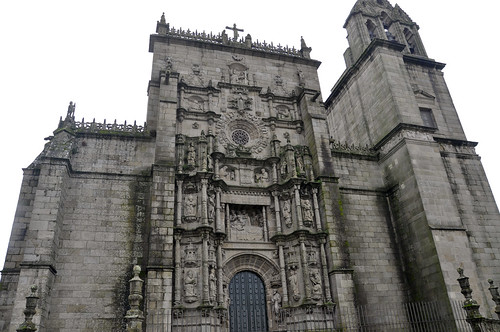
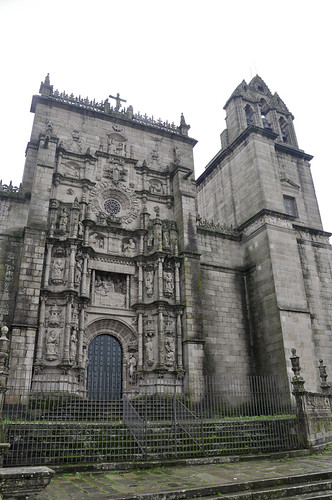
Fazendo o Caminho Português para Santiago que passa pelo centro histórico de Pontevedra começámos a ver as pequenas placas que indicavam o caminho para a Real Basílica de Santa Maria a Maior.
A sua construção no século XVI foi promovida por um grémio de marinheiros do bairro da Moureira. No seu interior a imagem do Santo Cristo del Buen Viaje era paragem obrigatória antes de partirem nos seus barcos.

Following the Portuguese Way to Santiago passing through the historic center of Pontevedra we started to see small signs indicating the way to the Royal Basilica of St. Mary Major.
Its construction in the sixteenth century was promoted by a guild of sailors from the Moureira neighborhood.Inside the image of the Santo Cristo del Buen Viaje was a mandatory stop before heading to their boats.

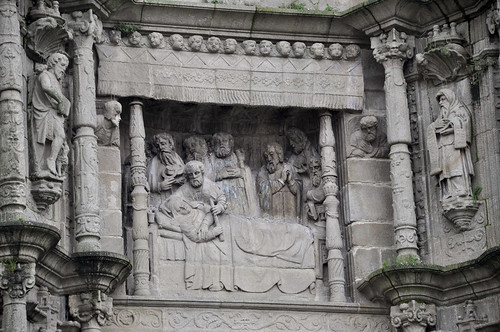
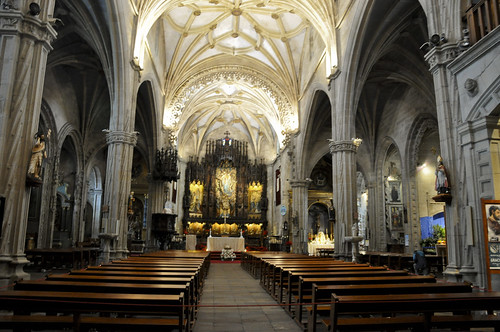
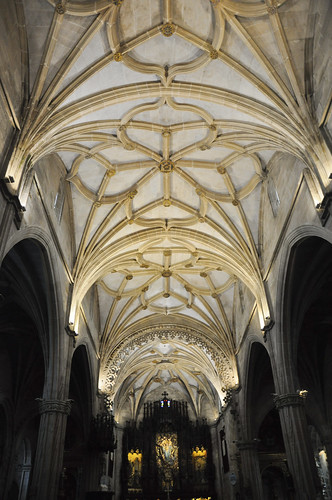
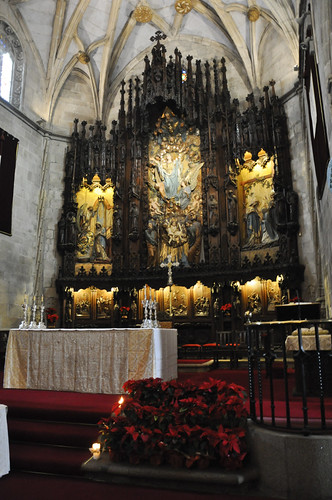
Há uma mistura de estilos gótico (tardio) e renascimento sendo a fachada principal do estilo plateresco criada por um português João Nobre e por Cornelis de Holanda. No seu interior podemos ver o tecto decorado que foi do que mais gostei na Basílica assim como a luminosidade que realça o retablo colocado no altar.

There is a mix of Gothic (Late) and Renaissance being the main facade of plateresque style created by a Portuguese by John Noble and Cornelis de Holanda. Inside we can see that the decorated ceiling it’s what I liked most in the Basilica as well as the light enhancing   the altarpiece placed on the altar.


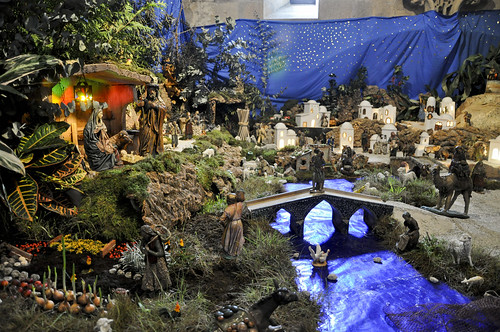
Visitar igrejas na época do Natal significa ver montado o Presépio ou o Belén (em espanhol). Na maioria dos casos são grandiosas e detalhadas representações de Belém e procuram ser uma réplica do local sagrado onde nasceu Jesus. Por isso há lagos, casinhas iluminadas, pessoas, animais, rios, pontes, hortas, moínhos, etc..

Visiting churches at Christmas time means seeing assembled the Nativity set or Belén (in Spanish). In most cases they are great and detailed representations of Bethlehem and seek to be a replica of the holy site where Jesus was born. So there are lakes, lighted houses, people, animals, rivers, bridges, gardens, mills, etc. ..
Mais sobre/More about:

do: CONVENTO DE SÃO FRANCISCO – PONTEVEDRA, ESPANHA

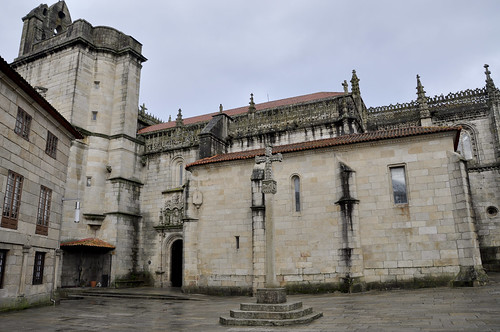
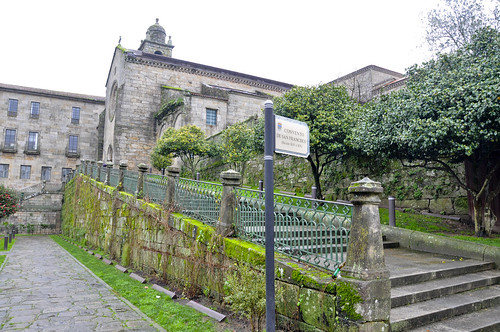
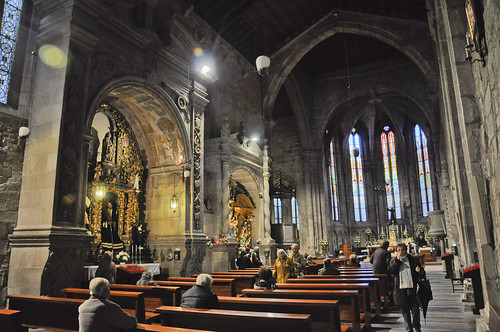
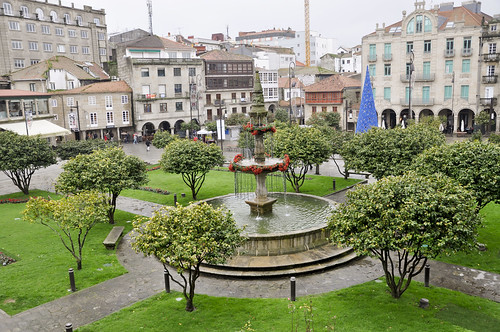
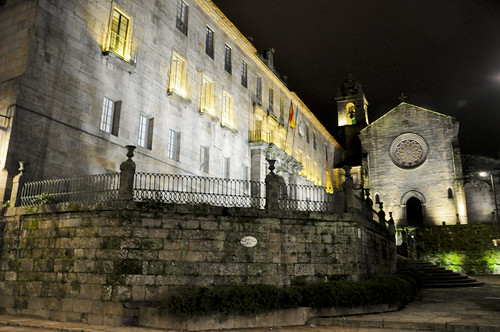
As placas indicam-te que está na presença do Convento mas na realidade o que podes visitar é Igreja, que foi o que sobreviveu. Está na mais importante praça de Pontevedra, a da Ferreria e ao subir os seus degraus podemos temos uma excelente vista sobre a mesma assim como o seu jardim e a fonte com o mesmo nome.
Há quem diga que foi o próprio S. Francisco de Assis que o terá fundado outros dizem que já existia quando este passou por Pontevedra a caminho de Santiago de Compostela.
The sign indicate that you are in the presence of the convent but in reality what you can visit is the Church, which is what survived. It’s located in the most important square of Pontevedra, in the Ferreria and when you climb its steps you have a great view of the same as well as it’s garden and the fountain with the same name.
Some say that it was the S. Francis of Asis founded others will say that it already existed when he went through Pontevedra on his way to Santiago de Compostela.

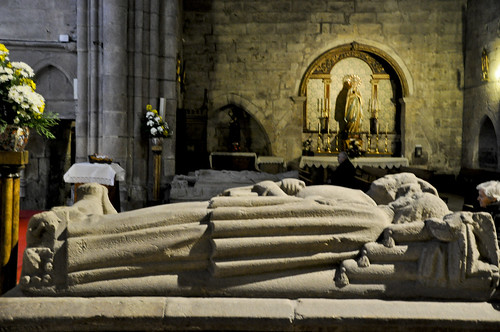
A primeira construção é do século XIII, contém dez capelas e junto ao altar estão os túmulos de dois casais dos quais um pertence a Paio Gómez Charino, um nobre galego que foi figura importante na reconquista de Sevilha aos mouros e um conhecido trovador.
A primeira capela que vemos fica á direita da entrada e é a do Santo Niño.
The first construction is from the thirteenth century, it contains ten chapels and close to the altar are the tombs of two couples of which one belongs to Palo Charino Gómez, a Galician nobleman who was an important figure in the reconquest of Seville from the Moors and a known troubadour.
The first chapel we see is is at the right of the entrance and is the Santo Niño.

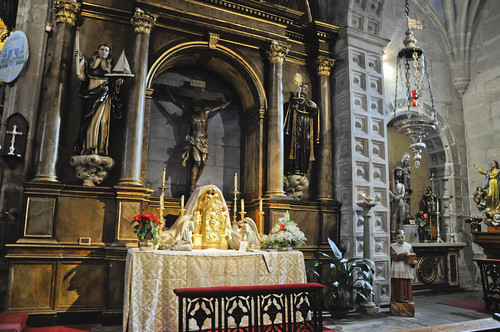
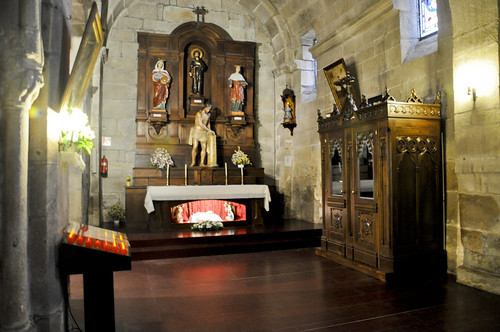
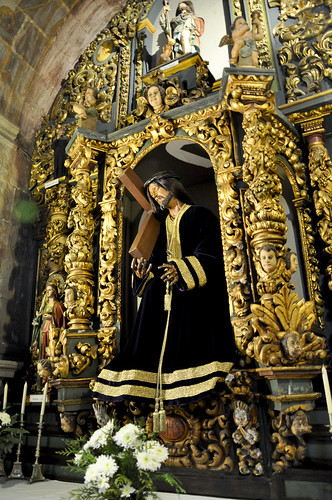
>>> Capela de Jesús Nazareno
Jesus of Nazareth Chapel
>>> Capela das Almas do Purgatório (Ánimas del Purgatório)
Chapel of the Souls of the Purgatory
>>> Vista para a Praça da Ferreria, com o Jardim e a Fonte da Ferreria.
Overlooking the Square Ferreria, with the Garden and the Fountain of Ferreria.
A entrada é gratuita. Free admission.
Mais sobre/More about:

Hotel Rias Bajas – Pontevedra, Espanha

8349278187_5de9f7beef_b
Para ficar em Pontevedra escolhemos através do Booking este hotel: Rias Bajas. Como sempre marcámos á última da hora e não sobravam opções centrais mais económicas que esta. Fica mesmo á entrada do centro histórico de Pontevedra numa zona comercial por isso a nossa escolha foi no alvo.
To stay in in Pontevedra we chose this hotel through Booking: Rias Bajas. As always we booked it last minute and with no more centric and economic options left. It is right at the entrance of the historic center of Pontevedra in a commercial district so our choice was spot on.
Continue a ler “Hotel Rias Bajas – Pontevedra, Espanha”

eat: SAVOY CAFÉ – PONTEVEDRA, ESPANHA

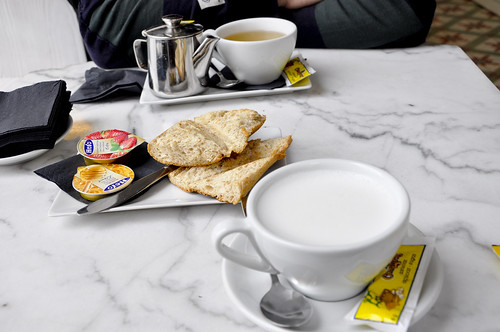
Em 2011 o histórico Savoy Café reabriu em Pontevedra após oito anos fechado. Se tivéssemos tido mais tempo na cidade este seria o sitio escolhido para almoçar mas como não era possível contentámo-nos como o pequeno-almoço.
Lugar de tertúlias viveu a sua época mais alta no final dos anos 30 e foi totalmente remodelado num estilo moderno. Apesar de gostar do seu interior penso que se tivessem conseguido recriar a decoração da sua época mais dourada poderia ser ouro sobre azul.
 
In 2011 the historic Savoy Café reopened in Pontevedra after being closed for eight years. If we had had more time in this city  it would be the site chosen for lunch but it was not possible and we are quite content with breakfast.
Place of gatherings lived his highest time in the late ’30s and has been fully renovated in a modern style. Although I like the inside I think if they had managed to recreate the decor of it’s golden time it would be the icing on the cake.


Quando entras e não sabes a sua história parece-te apenas um bar da moda muito recomendado pelas revistas ou guias de viagem, se sabes tomar aqui o pequeno-almoço torna o momento especial, não são apenas tostas com manteiga e doce, nem leite com chocolate é um pedacinho da cultura de Pontevedra.
Ficam por provar a salada russa, o escabeche de mexilhões da ria, entre outras iguarias muitas da região que agora são servidas em pequenas porções dando a possibilidade de provar mais coisas gastando menos.
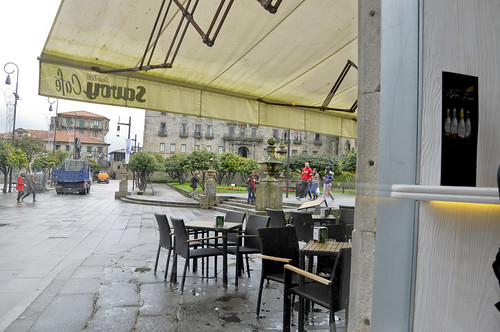
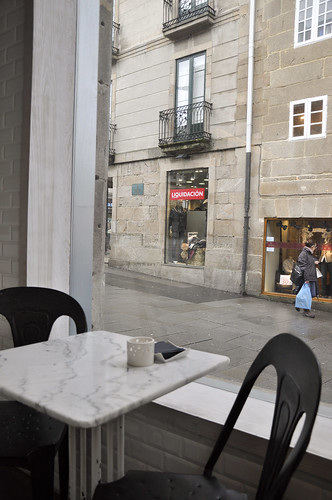
E para completar a experiência, podemos sempre ocupar um lugar na esplanada (quando fomos tinha acabado de chover) e apreciar a vista para o centro histórico.
 
When you get in and you do not know it’s history you seem just a trendy bar highly recommended by travel guides or magazines, if you know it having breakfast here makes the moment special,  it’s not just a toast with butter and jam or milk chocolate it’s a bit of Pontevedra culture.
Next time we will have taste of the Russian salad, the marinated mussels from the estuary, among other delicacies many from the region which are now served in small portions giving the chance to try more things spending less.
And to complete the experience, we can always occupy a place on the terrace (when we went there it had just finished raining) and enjoy the view over the historical center.


Mais sobre/More about:

do: IGREJA DA PEREGRINA – PONTEVEDRA, ESPANHA

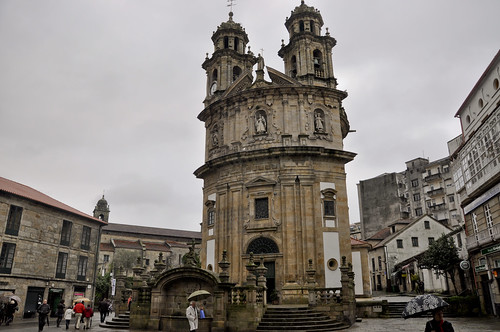
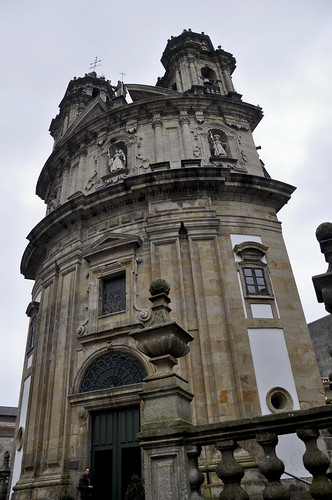
Numa competição das igrejas mais bizarras da Europa esta seguramente estaria no Top 10. Quando a vês da praça com o mesmo nome pensas que não está terminada que só fizeram a fachada e aos poucos enquanto andas vai revelando a sua forma. Dizem que é de inspiração Portuguesa e é um dos monumentos que marca o Caminho Português para Santiago que passa mesmo no coração de Pontevedra.
 
In a bizarre competition ofchurches of Europe this surely would be in the Top 10. When you see it from the square with the same name you think it might not be finished that they only did the façade and slowly as you walk will reveal its shape. They say it’s of portuguese inspiration and it is one of the monuments that marks the Portuguese Camino to Santiago that goes through the very heart of Pontevedra.

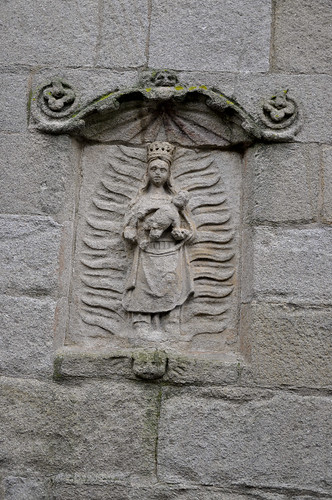
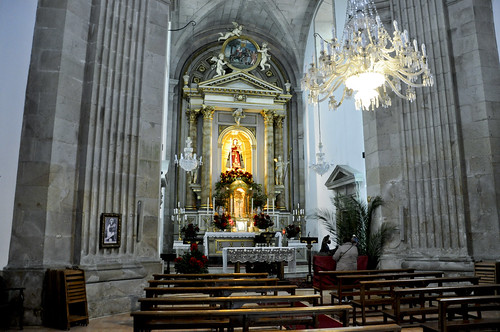
É também conhecida por Capela ou Santuário da Virgem Peregrina ou Virxen Peregrina em galego. Foi construída no século XVIII nos estilos barroco e neo-clássico e no seu interior está a figura da Virgem Peregrina ou do Caminho num altar ao centro.
Não é muito grande e não tem grandes decorações mas o seu significado para os peregrines trascende tudo isto, foi a partir deste ponto que começámos a percorrer Pontevedra seguindo o trilho do Caminho Português.
A entrada é livre.
 
It is also known as Chapel or Shrine of the Virgin Peregrina or Virxen Peregrina in Galician. It was built in the eighteenth century with a baroque and neo-classical  style and inside there’s the figure of the Virgin of the Pilgrim or the Camino in the center altar.
Not too big and without great decorations but its significance for the pilgrims transcends all this, it was from this point that we started to visit Pontevedra following the trail of the Portuguese Camino.
Admission is free.


Mais sobre/More about:

Loaira – Pontevedra, Espanha

8341780716_dd330c19a9_b
Depois de ler um artigo sobre a oferta de tapas em Pontevedra na revista espanhola DeViajes tínhamos claro que queríamos comer na Plaza de la Leña ou muito perto. Tínhamos algumas referências mas todos estavam muito cheios e assim viémos dar ao Loaira. O espaço é simpático, pequeno e com uma sala no piso superior para além do mesas fora em plena praça.
After reading an article about “tapas” in Pontevedra in a Spanish magazine called DeViajes we had it clear that we wanted to eat at the Plaza de la Leña or very close. We had some references but all were very full and so we come to the Loaira. The space is nice, small and with a room upstairs in addition to the tables outside in the middle of the square.

Continue a ler “Loaira – Pontevedra, Espanha”

Plaza de la Leña – Pontevedra, Espanha

8341764722_86e05b589c_b
Aparece sempre em todos os guias ou artigos de revista sobre Pontevedra e quando chegas percebes porquê. É pequena e durante o dia parece uma típica praça de aldeia pequena que acaba por encaixar bem no espírito do casco antigo da cidade.

Onde antigamente estava um mercado de lenha hoje estão casas em granito de estilo medieval bem conservadas e por baixo das suas pequenas arcadas estão restaurantes e bares que oferecem o melhor da gastronomia da região. Pequena mas relevante, mais tranquila pela manhã vai animando ao longo do dia com as suas pequenas esplanadas e á noite torna-se ainda mais acolhedora.

It always appears on all the travel guides or magazine articles about Pontevedra and when you arrive you understand why. It is small and during the day looks like a typical small village square which ultimately fits well in the spirit of the old part of town.
Where once was a market for firewood today there are the granite houses of medieval style well preserved and beneath its arches are small restaurants and bars offering the best food in the region. Small but significant, quieter in the morning but it grows throughout the day with it’s small terraces and at night becomes even more welcoming.

Continue a ler “Plaza de la Leña – Pontevedra, Espanha”

do: PLAYA DE LAS CATEDRALES – RIBADEO, ESPANHA

Estávamos na autoestrada Cantábrica (A8) a fazer o caminho entre Santiago de Compostela e Oviedo quando saímos quando vimos a placa que indicava: “Playa de las Catedrales”. Um dos locais que nos tinham recomendado visitar e que mesmo curtos de tempo conseguimos passar por lá.
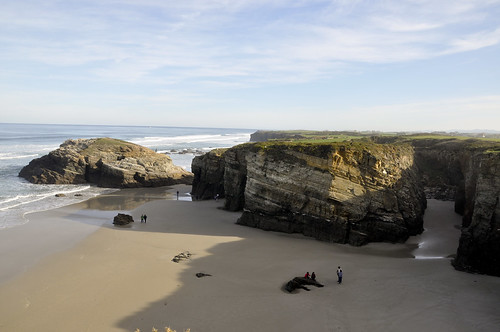
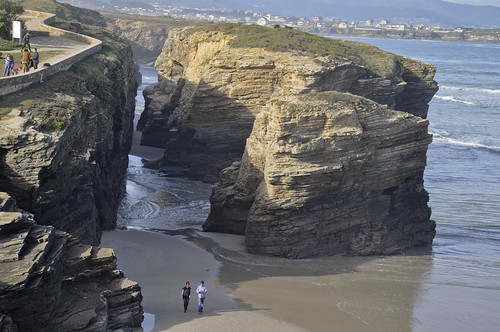
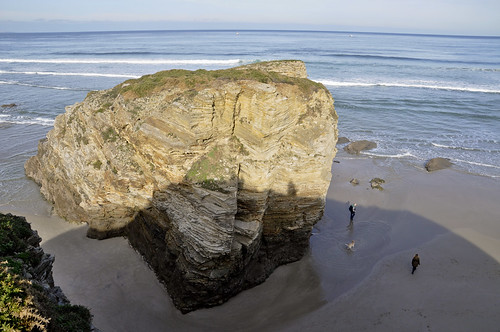
Acabámos por não descer mas do seu miradouro percebemos porque é que lhe chamam Praia das Catedrais uma vez que o seu verdadeiro nome é Praia das Águas Santas.
 
We were in the Cantabrian motorway (A8) to make the road on our way to Oviedo coming from Santiago de Compostela when we took an exit as soon as we saw a sign that said: Playa de las Catedrales.” One of the places that was recommended and even short on time we were able go there.
We didn’t go down but its viewpoint realize why they call it the Beach Cathedrals since his real name is Praia das Águas Santas.


As grandes rochas formam arcos que fazem lembrar os das Catedrais medievais e tivémos muita sorte em ter chegado com a maré vazia caso contrário não seria possível vê-los.
Junto á praia está também uma zona de merendas e tem um bom parque de estacionamento.
Para melhor disfrutar desta praia o ideal é mesmo pôr o pé na areia coisa que infelizmente não tivémos tempo de fazer.
 
The big rocks form archs that remind you of those in the medieval Cathedrals and we were lucky to have arrived with a low tide otherwise we couldn’t see them.
Close to the beach there is also a picnic area and a good parking area.
The best way to enjoy this beach is to put your foot in the sand something that unfortunately we didn’t have time to do it.


do: PLAZA DEL CALLAO – MADRID, ESPANHA

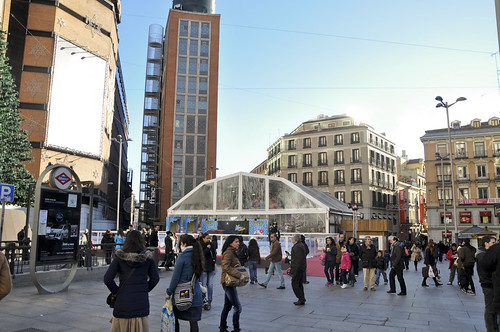
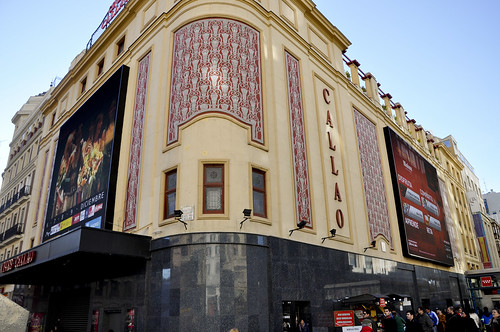
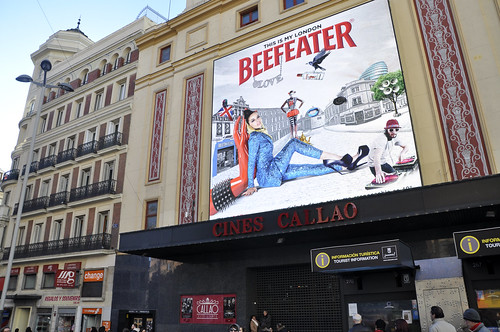
É uma das mais emblemáticas praças de Madrid cujo nome lembra uma batalha em Callao na costa peruana. São igualmente emblemáticos alguns dos edificios que a rodeia como o Edificio Carrión cujo reclamo luminoso da Schweppes é um dos símbolos da cidade, assim como o Cine Callao e o Palácio de la Prensa que está do outro lado da Gran Via.

It is one of the most emblematic squares of Madrid whose name recalls the battle in Callao on the Peruvian coastThere is also some of the iconic buildings surrounding it as the Edificio Carrión whose luminous advertising for Schweppes is one of the symbols of the city, as well as the Cine Callao and the Palacio de la Prensa that is on the other side of Gran Via.
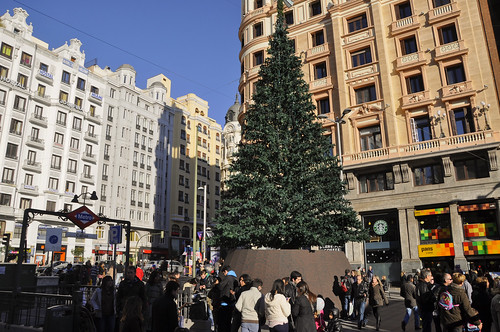
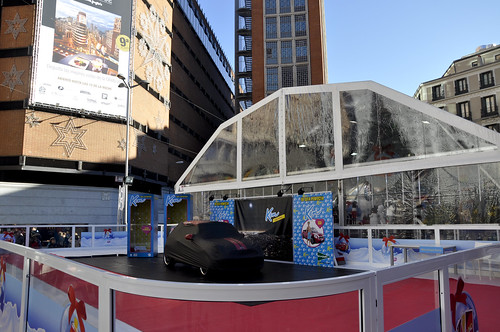
Uma das melhores alturas para visitar esta praça é sem dúvida no Natal e se possível de noite para ver a sua árvore de Natal iluminada juntar-se ao habitual jogo de luzes nocturno que vem dos painéis que anunciam os filmes no edificio Callao e os neons da publicidade á volta. Além disso, todos os anos se monta aqui um ringue de patinagem no gelo e 2012 não foi excepção (apesar da crise), numa iniciativa em que se juntaram o grupo El Corte Inglés e a Mini.
Também nesta praça o edificio onde hoje funciona a Fnac foi anteriormente de um concorrente do El Corte Inglés, as Galerias Preciados.
 
One of the best times to visit this square is undoubtedly at Christmas and if possible at night to see their Christmas tree lit joining the usual game of the night lights coming from the panels that advertise movies in the building of Callao and neons signs. Moreover, every year there is a ice skating rink and 2012 was no exception (despite the crisis), an initiative that joined the group El Corte Inglés and Mini.
Also on the square the building where today Fnac has it’s megastore was previously a competitor of El Corte Inglés, Galerias Preciados.


Metro: Callao 
View Larger Map

Guia Madrid/Madrid Guide