Parque Felipe VI – Madrid, Espanha

17511113588_a80cb084bd_b
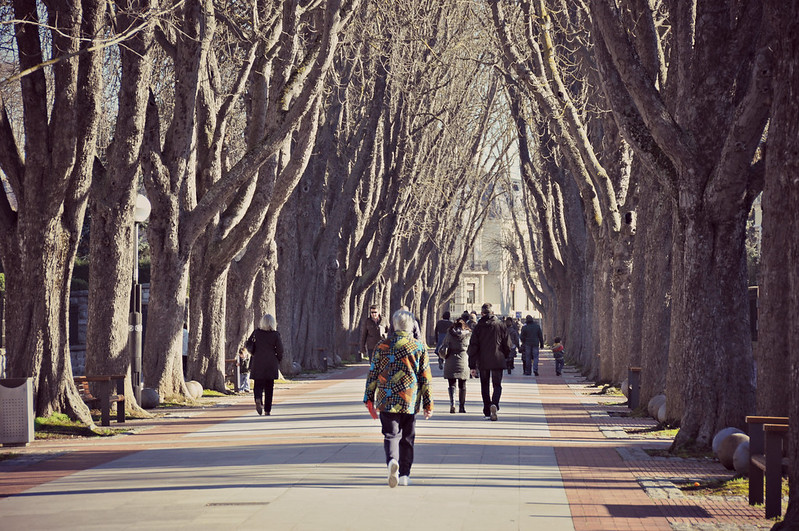
Já começaram os dias quentes mas foi num de esses um pouco mais nublado e fresco que decidimos ir dar um passeio em familia ao Parque Felipe VI, recém-estreado em Valdebebas (distrito de Hortaleza). Ninguém parece chegar a acordo quanto ao tamanho do parque mas quase todas as noticias e o site do Ayuntamiento dizem que tem 470 hectares além disso por ser um parque florestal tem horários mais reduzidos que o normal. Pareceu-me óptimo para a prática de desporto, tem uma pista de ciclismo á volta do parque e vi muitos a correr por ali.
The hot days have started but it was in one of those a little cloudy and cool we decided to go for a family walk in the park Felipe VI, newly opened in Valdebebas (Hortaleza district). No one seems to agree on the park’s size but almost all news and the Ayuntamiento’s site say they have 470 hectares in addition to be a forest park that has shorter hours than normal. It seemed great to do sports it has a cycling track that goes around the park and I saw many running around it also.

Continue a ler “Parque Felipe VI – Madrid, Espanha”

LA MANO DE PABLO – MADRID, ESPANHA

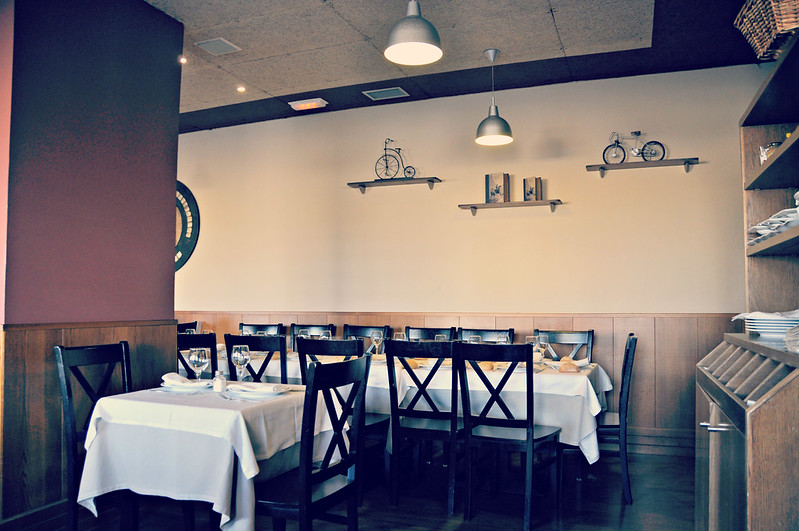
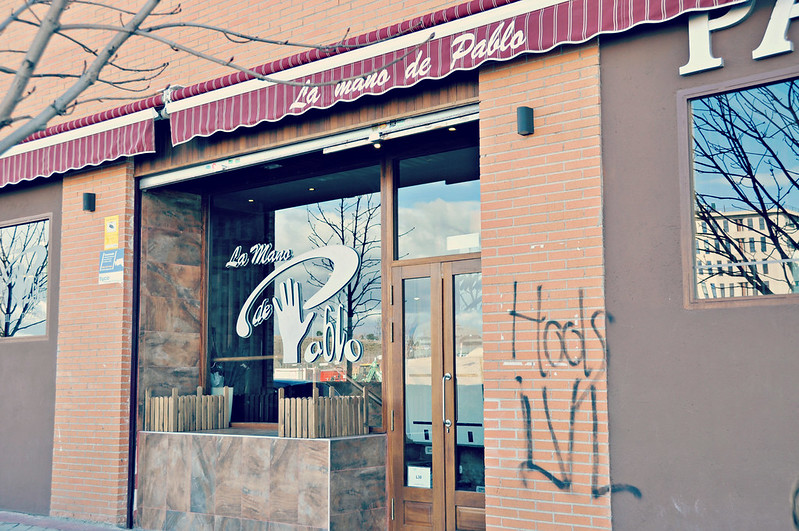
Descobri La Mano de Pablo por acaso, no fim de semana antes de uma viagem de trabalho quis ir passear com a familia ao Parque Juan Carlos I (ver post aqui) e enquanto procurava um lugar para almoçar lembrei-me de uma casa de hamburguers que está na zona de Las Tablas que também tenho ao pé do lugar onde trabalho. Para nossa surpresa estava fechado, era Domingo e não entendi bem porquê mas foi o que nos fez chegar até este restaurante uruguaio. Foi uma excelente descoberta porque gostámos do que comemos e do serviço.

I discovered La Mano de Pablo by chance, on the weekend before a business trip I wanted to go sightseeing with family to Juan Carlos I Park (see post here) and while looking for somewhere to have lunch I remembered a hamburger house that is in the Las Tablas area that also exists near the place where I work. To our surprise it was closed, it was Sunday and did not understand why but that’s what made us reach this Uruguayan restaurant. It was a great discovery because we liked what we eat and the service.

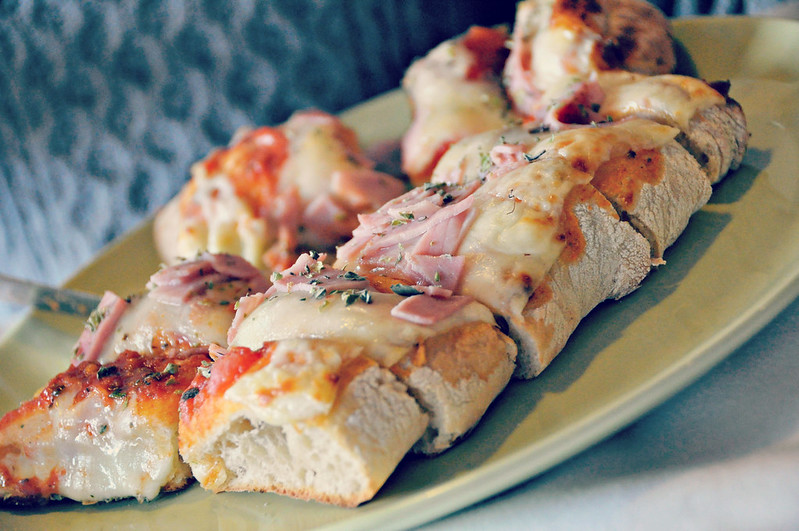
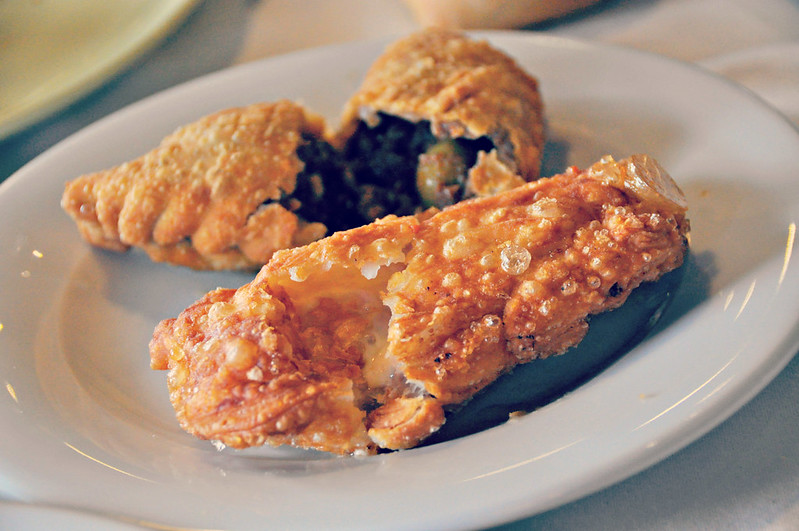
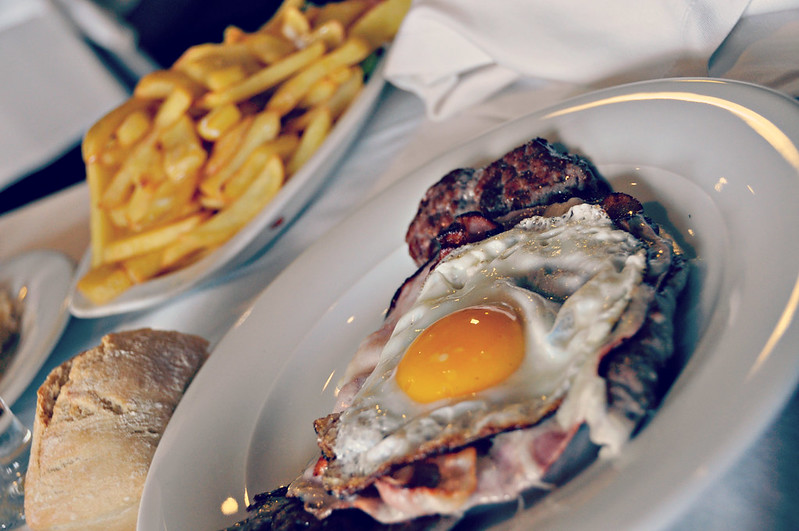
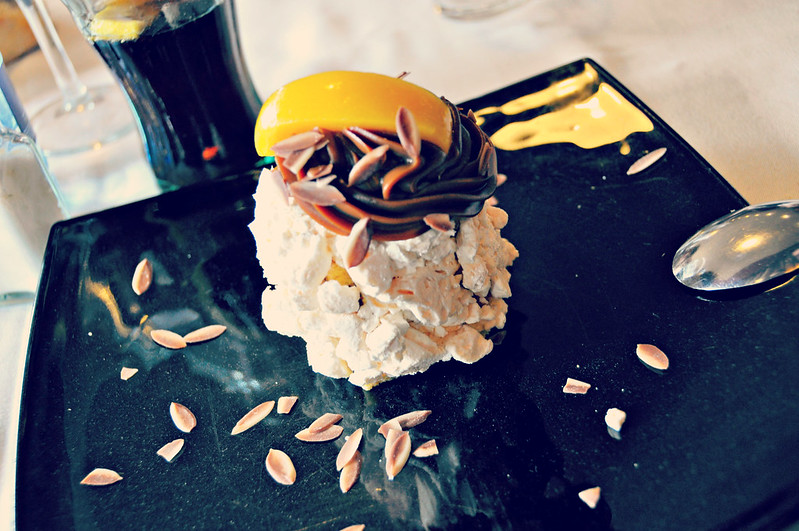
A primeira nota positiva vai para as suas pizzas que provámos no menú infantil, têm uma massa pão mais densa mas são realmente boas. Para entrada pedimos umas estaladiças empadas do Uruguai, uma recheada com carne que estava deliciosa e a outra com queijo. Pedimos depois o Lomo alto uruguaio que veio fatiado e ao qual juntei um pouco de chimichurri. Continuando com algo típico, veio para mesa um Chivito al Plato que é versão sem pão de esta sandes que leva um bom bife, uma fatia de bacon, um ovo estrelado e salada russa, no entanto acho que houve um mal entendido porque não trazia a tal salada que torna o prato mais ligeiro. A carne estava óptimo e lembrou-me os bitoques da nossa terra. Como em qualquer país da América do Sul, a carta de sobremesas tinha umas quantas com doce de leite, provámos duas mas a que mais sucesso fez foi o Chajá uma sobremesa com bolo, pêssego, suspiros e claro doce de leite, numa excelente combinação de sabores. Não é particularmente barato mas vale mesmo a pena uma visita ao La Mano de Pablo.
 
The first positive note goes to their pizzas we tasted them in the children’s menu, they have a bread dough more dense but are really good. For entrance we ordered crispy pies of Uruguay, one stuffed with meat that was delicious and the other with cheese. We then ordered the Lomo Alto do Uruguai that came sliced ​​and to which I added some chimichurri. Continuing with something typical, to the table came one Chivito al Plato its the versión without bread of this sandwich that has a good steak, a slice of bacon, one fried egg and Russian salad, however I think there was a misunderstanding because it did not bring that salad which makes the dish lighter. The meat was great and reminded me the “bitoques” of our land. As in any country in South America, the desserts menu had a few with “dulce de leche”, we tasted two but the most successful was the Chajá a dessert with cake, peach, merengue and of course “dulce de leche”, a great combination of flavors. It is not particularly cheap but still worth a visit to La Mano de Pablo.

Website: http://www.lamanodepablo.com/
Morada: Calle Frómista 3 (Las Tablas)
Metro: Las Tablas
Preço: 30€ por pessoa

Our Guide of:
http://hojeconhecemos.blogspot.com.es/p/madrid.html

WHITBY – MADRID, ESPANHA

Há algum tempo fomos jantar ao Whitby com uns amigos, já tinha passado por este bar-restaurante algumas vezes e sempre me despertou curiosidade. É um excelente lugar para tomar um copo no after work mas queríamos experimentar a sua carta a ver que tal. Posso dizer que foi uma boa experiência ainda que uma dos principais problemas deste lugar é o ruído que vem do bar mesmo quando estás sentado no piso superior.
Some time ago we had dinner at Whitby with some friends, had passed by this bar-restaurant a few times and always woke me curious. It’s a great place to have a drink after work on but we wanted to try his letter to see that such. I can say it was a good experience even if one of the main problems of this place is the noise coming from the bar even when you are sitting on the top floor.

Continue a ler “WHITBY – MADRID, ESPANHA”

Correria Kalea – Vitória, Espanha

A caminho do restaurante e saindo da zona da Catedral percorremos este rua, um das três que pela sua forma ajudam a desenhar a famosa amêndoa. Receberam nomes de oficios porque na época medieval juntavam-se todos nas mesmas ruas, como a dos Sapateiros ou dos Ferreiros, a da Correria refere-se aos que fabricavam talheres que nos dias de hoje já não existem mas deixaram a herança do comércio tradicional.
On our way to the restaurant and out of the Cathedral área we walk be this street, one of three that help shape the city centre into the famous almond. It received the names of ancient professiones because in medieval times they all gathered up in the same streets, such as the Cobblers or Blacksmith, the Correria refers to the ones that manufactured cutlery that these days no longer exist but have left the legacy of traditional trade.

Continue a ler “Correria Kalea – Vitória, Espanha”

PASSEIO FREI FRANCISCO DE VITORIA – VITORIA, ESPANHA

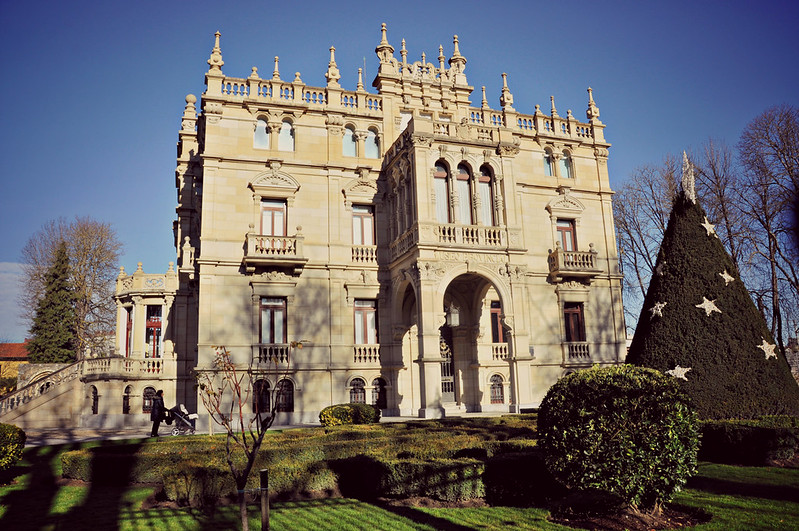
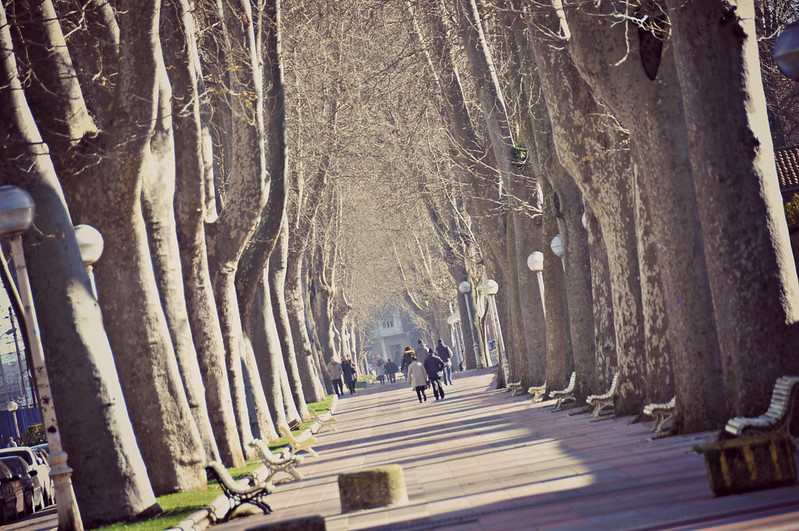
Uma das dicas do nosso hotel foi estacionar á volta do Parque do Prado para depois caminhar um pouco pelo Passeio de Fray Francisco de Vitoria. Uma excelente recomendação porque adorámos o nosso passeio por aqui, uma zona pedonal com um espantoso arvoredo que deve ser ainda mais bonito no Outono ou na Primavera. Além disso é uma das zonas mais interessantes com palácios do principio do século XX como por exemplo o do Museu das Belas Artes.
 
One of the tips from our hotel was to park our car around the Prado gardens and then walk a little by Fray Francisco de Vitoria Drive. An excellent recommendation because we loved our stroll through here, a pedestrian zone with an amazing grove that should be even more beautiful in autumn or spring. Also is one of the most interesting areas with palaces from the beginning of the twentieth century such as the Museum of Fine Arts.
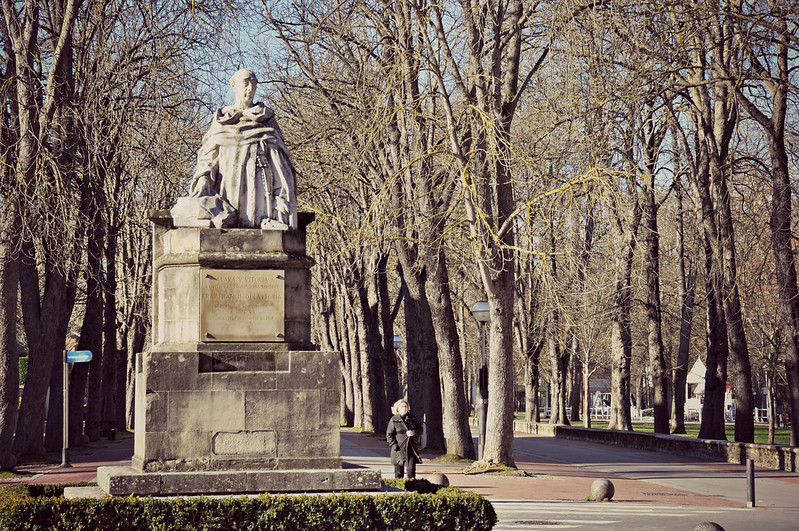
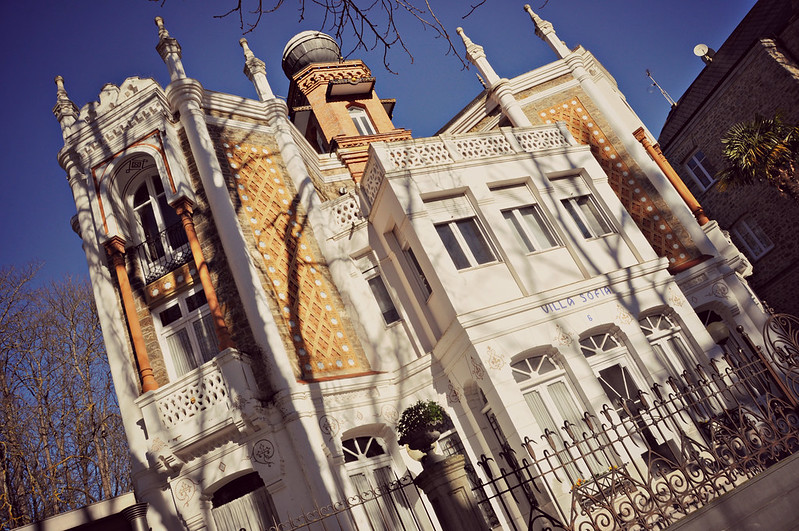
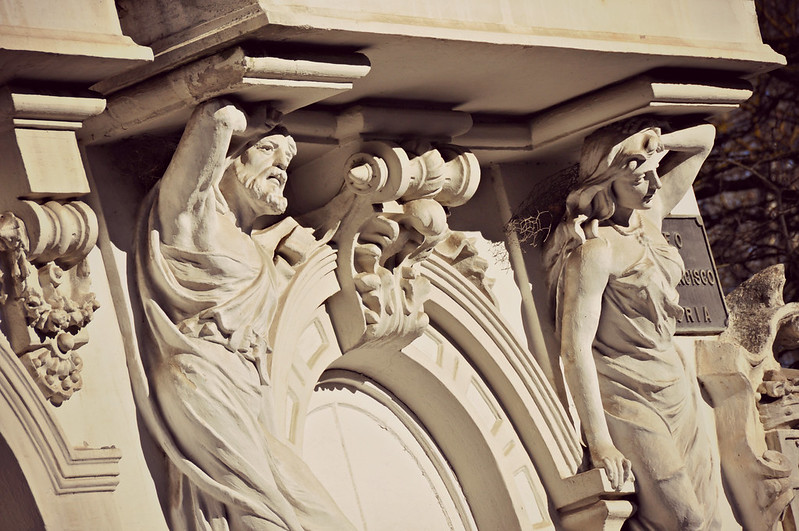
Nós apanhámos o passeio a meio perto da rotunda onde está um monumento ao Frei Francisco de Vitoria, um teólogo do século XV que nasceu nesta cidade mas que depois viveu em Salamanca onde estavam as universidades. Quase no final do Passeio está o Museu das Belas Artes que não tivemos tempo de visitar, está instalado no Palácio de Augusti construido entre 1912-1916 como residência para Ricardo de Augusti. Passamos por outra casa a que chamam de “Enxaquecas” por duas estátuas que a decoram que colocam a mão na cabeça com expressões de dor. Numa esquina onde temos que escolher se vamos pelo Paseo de la Senda ou pelo o das Universidades, está a Casa Zuloaga mas o meu edificio preferido foi o Villa Sofia, que se destaca dos demais pelos seus detalhes de arquitetura mourisca e da India como se fosse um palácio de contos.
 
We we took the ride in the middle near the roundabout where a monument to Fray Francisco de Vitoria is standing, he was a fifteenth century theologian who was born in this city but later lived in Salamanca where the universities were. Near the end of the ride is the Museum of Fine Arts that we did not have time to visit, is installed on the Augusti Palace built between 1912-1916 as a residence for Ricardo Augusti. We passed another house they call Migraine because of two statues that adorn it laying their hand on the head with expressions of pain. In a corner where we have to choose if we should go by the la Senda de Paseo or by the Universities, is the Zuloaga House but my favorite building was the Villa Sofia, which stands out from the other for its Moorish and Indian architectural details  like a palace from the tales.

Museu de Belas Artes de Vitória

Villa Sofia

Casa das “Enxaquecas”

Casa Zuloaga

Our guide of:
http://hojeconhecemos.blogspot.com.es/2001/02/guia-de-vitoria-gasteiz.html

IGREJA DE S. MIGUEL ARCANJO – VITORIA, ESPANHA

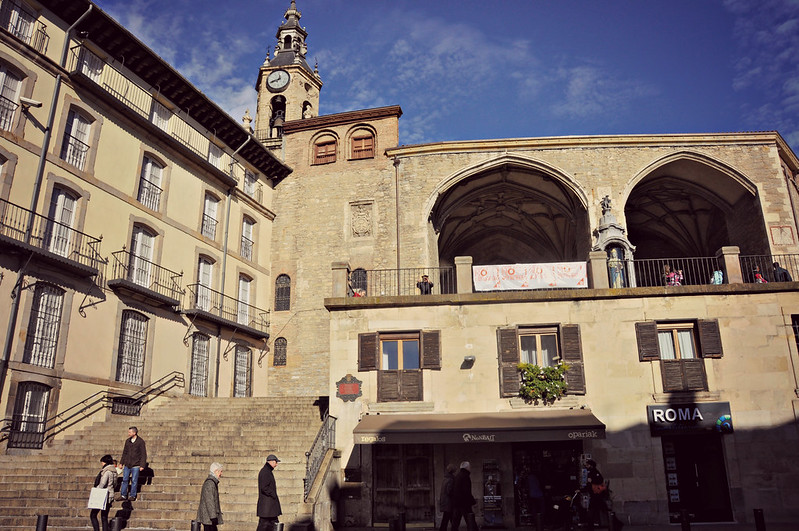
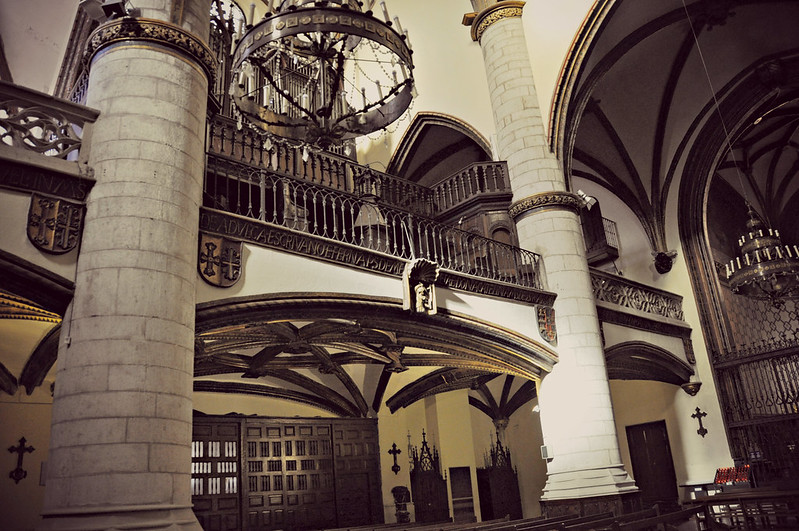
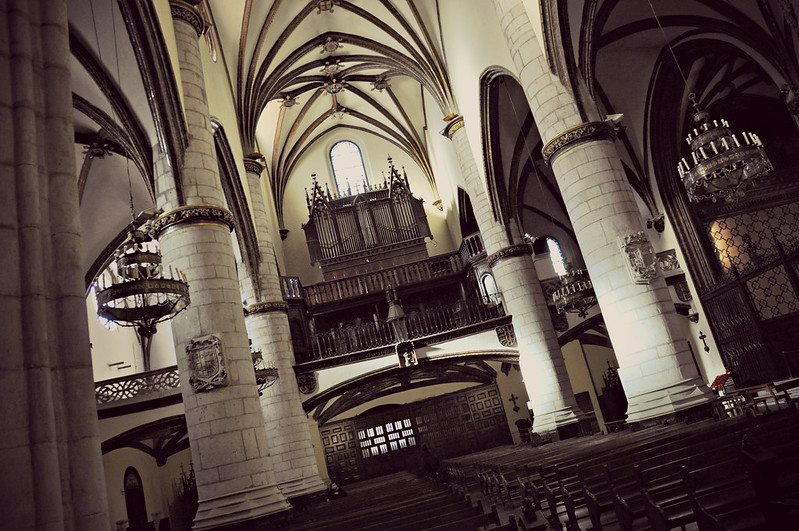
Foi a única igreja que visitámos em Vitória, foi mais um problema de tempo que outra coisa o que nos fez não visitar a Catedral mas ficar com a memória da Igreja dedicada ao Arcanjo Miguel construída no século XIV. É fácil de encontrar está no principio da colina onde vemos a Plaza de la Virgen Blanca. A entrada é livre.
 
It was the only church we visited in Victoria, was more a timing issue than anything else which made us not visit the Cathedral but stay with the memory of the Church dedicated to the Archangel Michael built in the fourteenth century. It’s easy to find it is at the beginning of the hill where we see the Plaza de la Virgen Blanca. Admission is free.

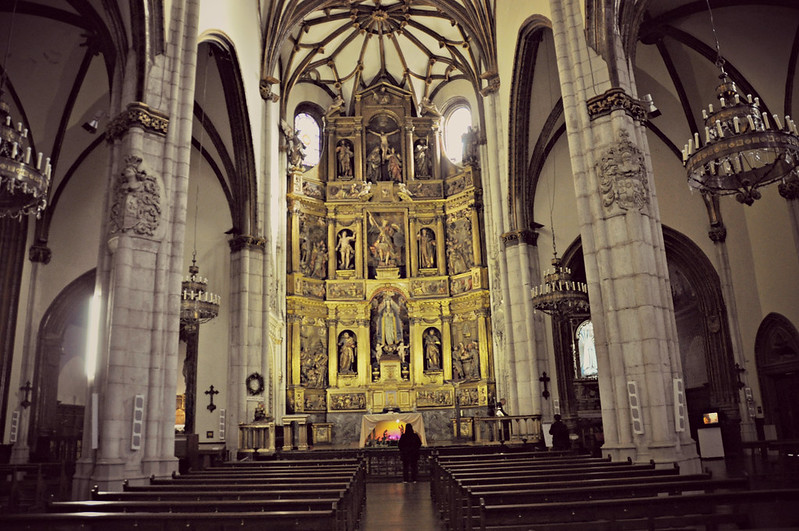
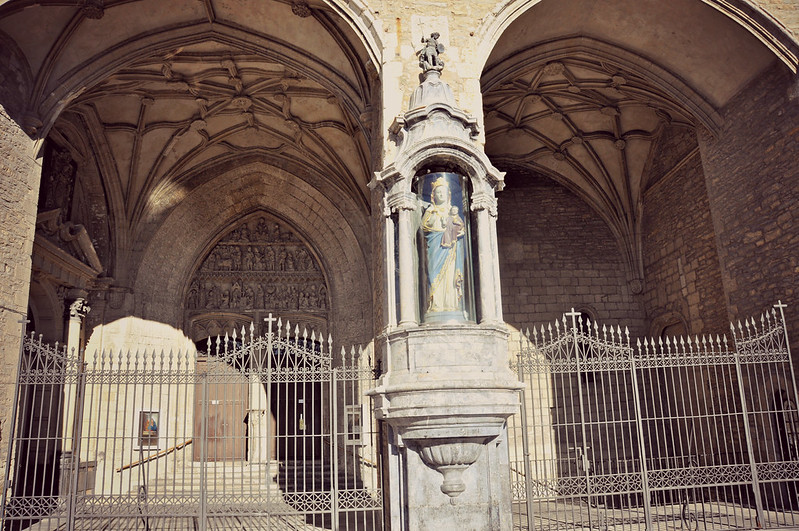
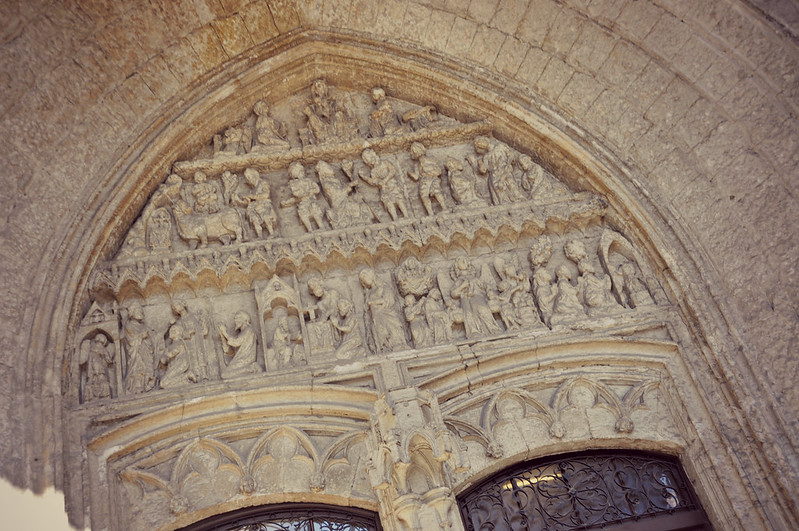
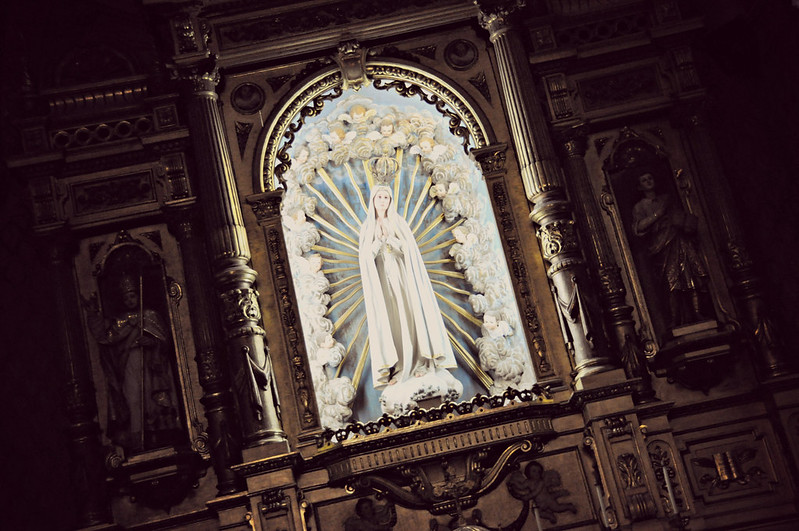
Antes de entrar e depois de subir as escadas que dão acesso á igreja podemos aproveitar a fantástica vista que tem sobre a praça, a sua fachada não sendo das mais elaboradas têm um pórtico trabalhado no estilo gótico. Mesmo estando dedicada ao Arcanjo, a sua capela mais importante é a de Santa Maria la Blanca-a padroeira da cidade – que está do lado oposto á entrada, uma outra figura da Santa está colocada num nicho de uma coluna da fachada da igreja.
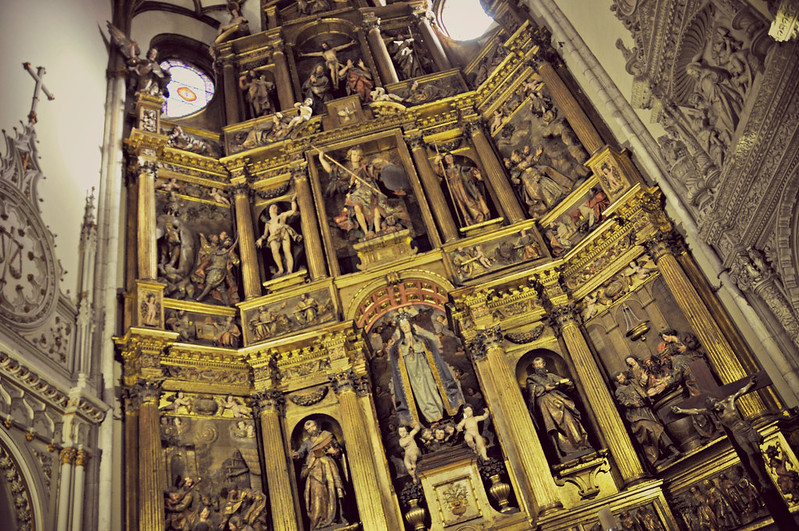
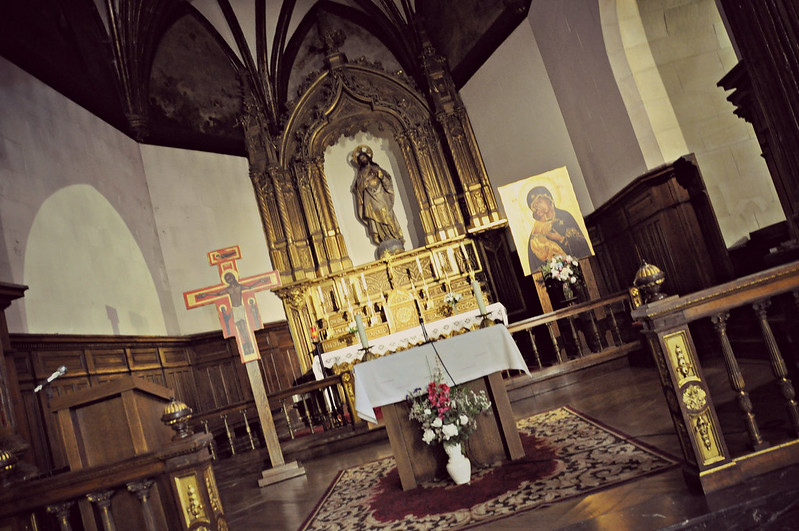
Destaca também o detalhado retablo na capela principal, criado no século XVII por Gregorio Fernández.
 
Before entering and after climbing the stairs that give access to the church we can enjoy the fantastic view it has on the square, its facade is not the most elaborate but it has a elaborate pórtico in Gothic style. Even though it is dedicated to the Archangel, its most important chapel is Santa Maria la Blanca – the patron saint of the city – which is opposite the entrance, another figure of the Santa is placed in a niche of a front column of the church.
It also highlights the detailed altarpiece in the main chapel, created in the seventeenth century by Gregorio Fernández.

Capela Santa Maria la Blanca

Our guide of:
http://hojeconhecemos.blogspot.com.es/2001/02/guia-de-vitoria-gasteiz.html

HOLIDAY INN EXPRESS – VITORIA, ESPANHA

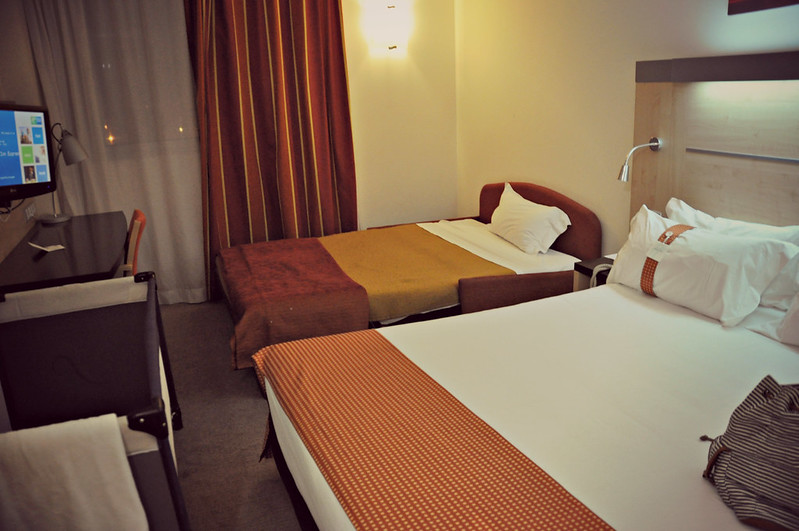
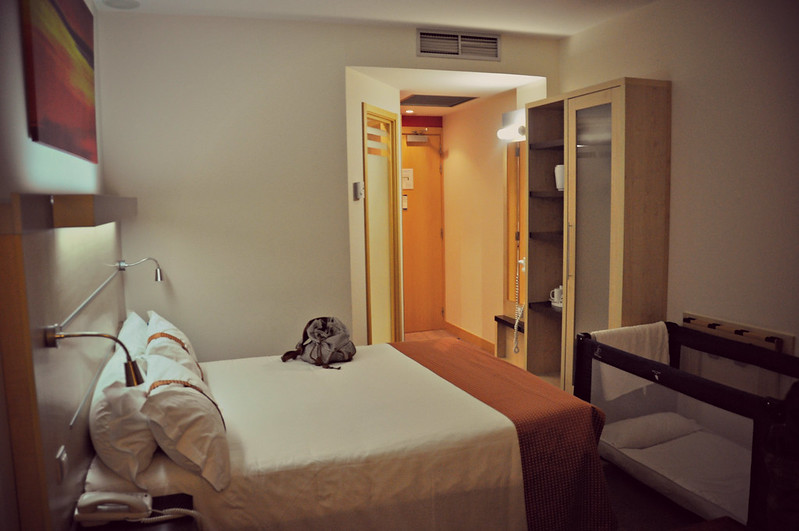
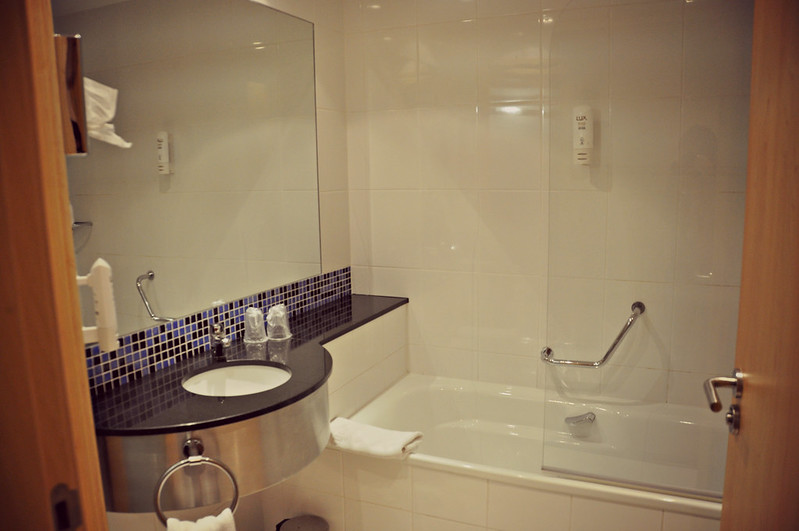
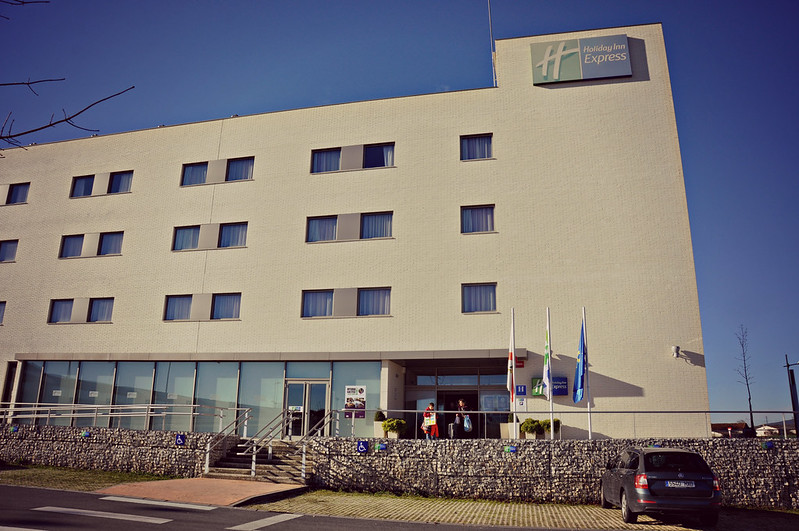
Ao escolher o nosso hotel em Vitória queríamos um lugar simples apenas para passar a noite porque íamos para Paris de carro, era importante que o quarto fosse grande e que levasse dois adultos e duas crianças. Por 49,50€ a noite (com pequeno-almoço), o Holiday Inn cumpriu com as nossas expectativas e não estando no centro da cidade não deixa de ser uma excelente opção para quem não se importa de ir de carro.
 
When choosing our hotel in Victoria we wanted a simple place just for the night because we were going to Paris by car, it was important that the room was big enough for  two adults and two children. For 49,50€ per night (with breakfast), Holiday Inn fulfilled our expectations and not being in the city center it is still an excellent option for those who do not mind to drive.

A regressar de França porque já apanhava fim de semana pagámos 60€ por noite, ainda assim o preço compensava. O pequeno-almoço não era extraordinário mas bastante bom considerando que está incluído no preço do quarto. Além disso na recepção foram sempre muito prestáveis e deram algumas dicas de como chegar até á cidade, onde estacionar e onde comer.
 
Returning from France and because it was the weekend we paid € 60 per night, still the price compensated. Breakfast was not extraordinary but quite good considering that is included in the room price. Also at the reception they were always very helpful and gave us some tips on how to get to town, where to park and where to eat.
 
 
Morada: Calle Paduleta 59 – Parque Industrial Jundiz
 
Our guide of:
http://hojeconhecemos.blogspot.com.es/2001/02/guia-de-vitoria-gasteiz.html

WANDA CAFÉ OPTIMISTA – MADRID, ESPANHA

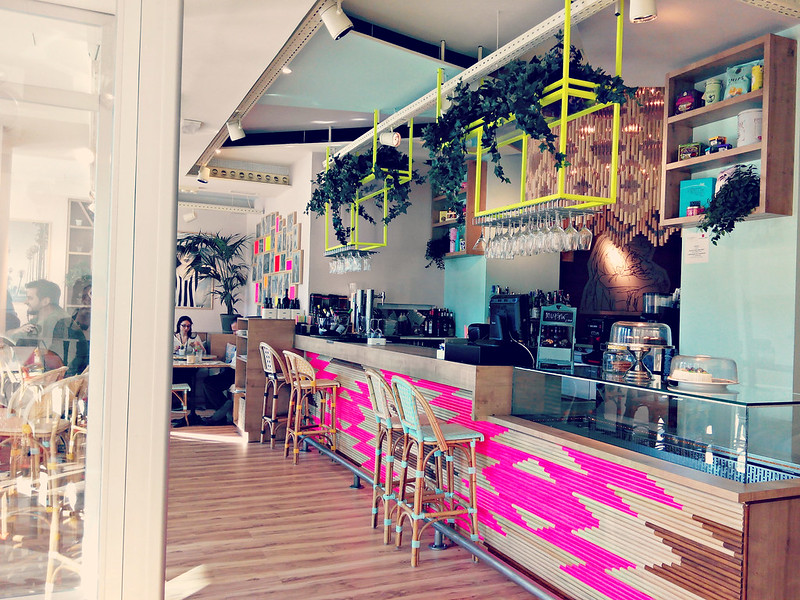
Depois de uma reunião de trabalho em Madrid procurava um sitio para almoçar e depois ficar a trabalhar um pouco mais enquanto esperava a hora do lanche com o marido, foi assim que descobri o Wanda um café optimista que logo me chamou a atenção. Primeiro a decoração algo original para o que vemos de tendencia hoje em dia, com cores neón cujos detalhes podemos ver também nas suas tradicionais cadeiras de café parisino.
After a meeting in Madrid I was looking for a place to have lunch and then get to work a little more until I could have a piece of cake with my husband, that’s how I discovered Wanda an optimist coffee house that soon caught my attention. First the decor is something unique to what we see as a trend nowadays, with neon colors that is also in the details that we can see in it’s the traditional Parisian cafe chairs.

Continue a ler “WANDA CAFÉ OPTIMISTA – MADRID, ESPANHA”

MONUMENTO KEN FOLLETT – VITORIA, ESPANHA

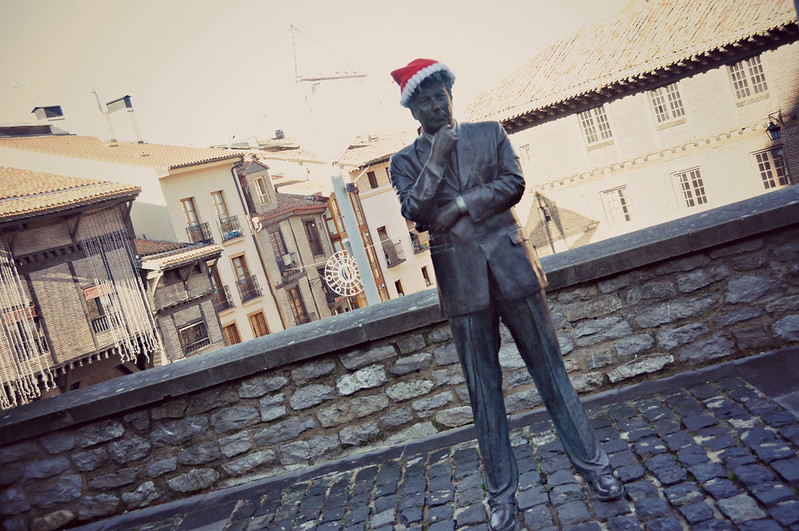
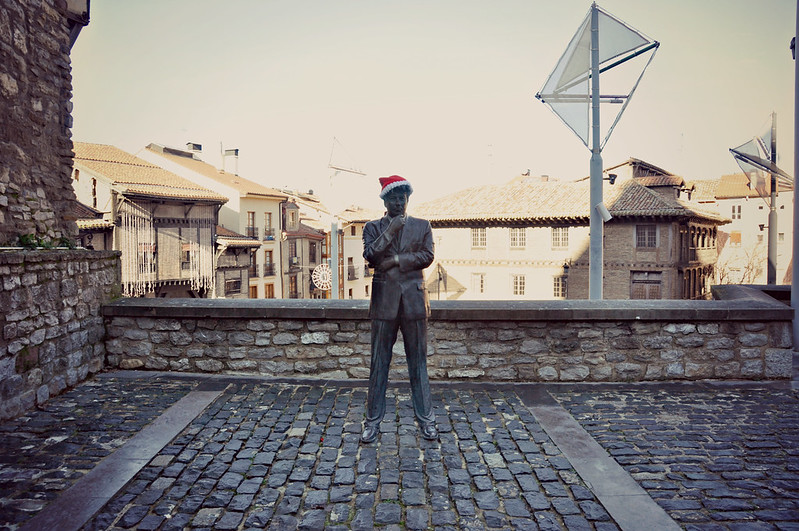
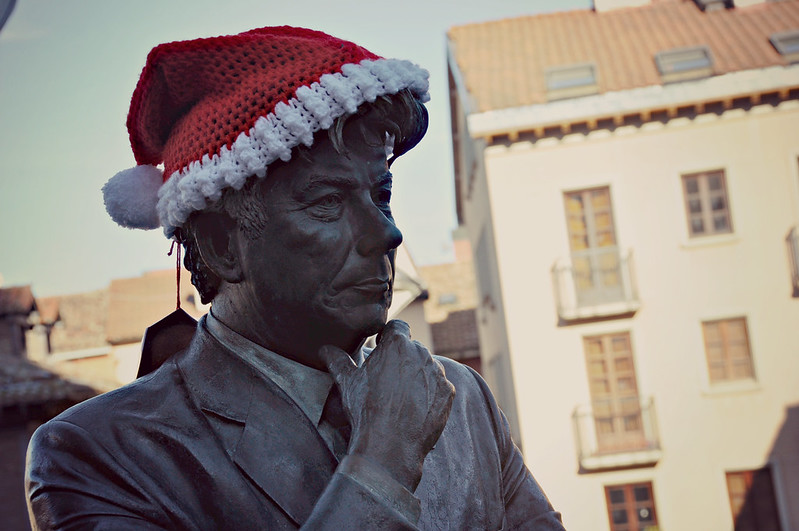
Junto á Catedral de Santa Maria fiquei surpreendida por encontrar uma estátua de um Ken Follett pensativo, acho que é a única estátua do escritor inglês em todo o mundo e não é fácil á primeira entender porque é que está aqui, em Vitória e tão perto de um dos principais monumentos da cidade. É verdade que em algum lugar vi uma reportagem sobre a Catedral e a sua remodelação que deu origem a uma inovadora maneira de fazer turismo, visitar este lugar sagrado conhecendo ao detalhe o seu trabalho de restauro. Ken Follett foi dos que mais elogiou este lugar e esta nova forma de visitá-lo mas não foi esse o principal motivo de este monumento.
 
Near the Cathedral of Santa Maria I was surprised to find a statue of a Ken Follett thoughtful, think it’s the only statue of the English writer in the world and not easy at first understand why you are here in Victoria and so close to one of the main monuments. It is true that somewhere saw a report about the Cathedral and its remodeling that resulted in an innovative way to sightsee, visit this sacred place knowing to detail its restoration work. Ken Follett was one of the most praised this place and this new way to visit him but that was not the main reason for this monument.

Dizem que foi esta Catedral que serviu de inspiração para a tão esperada sequela (Um Mundo sem Fim) de Os Pilares da Terra, um dos livros com maior êxito do autor e dos mais vendidos em Espanha. Há ainda outra ligação á cidade, em 2008 Ken Follet recebeu o premio Olaguibel (do Colégio de Arquitetos Vasco-Navarro) pelo seu contributo á promoção da arquitetura, para quem leu (ou viu a série) Pilares da Terra sabe do que se trata. No mesmo ano, foi inaugurada a sua estátua, obra do escultor Casto Solano. E já se está a tornar uma tradição turística tirar uma foto ao seu lado…
 
They say it was this cathedral that was the inspiration for the long awaited sequel (A World Without End) of The Pillars of the Earth, one of the most successful books of the author and of the most sold in Spain. There is another connection to the city in 2008 Ken Follet received the prize Olaguibel (of Architects VascoNavarro College) for his contributions to the promotion of architecture, for those who red (or seen the series) Pillars of the Earth knows what this means. In the same year, opened his statue by the sculptor Casto Solano. And already is becoming a tourist tradition to take a picture at his side
 
Our guide of:
http://hojeconhecemos.blogspot.com.es/2001/02/guia-de-vitoria-gasteiz.html

MURALHA MEDIEVAL – VITORIA, ESPANHA

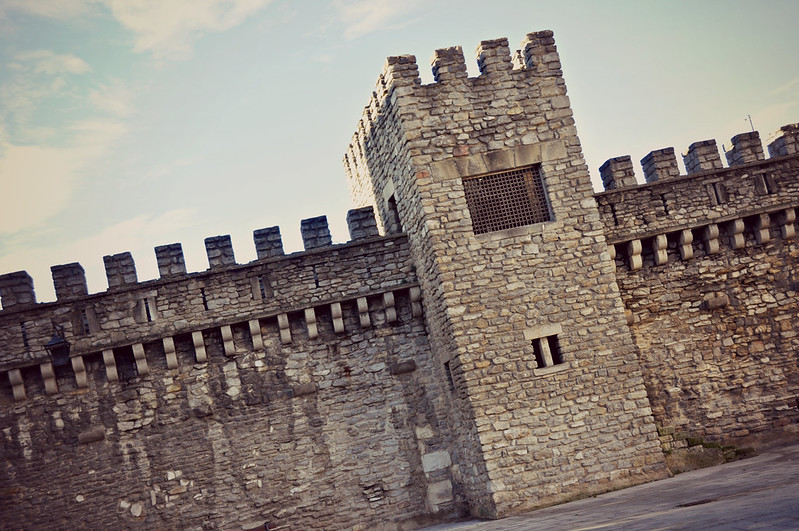
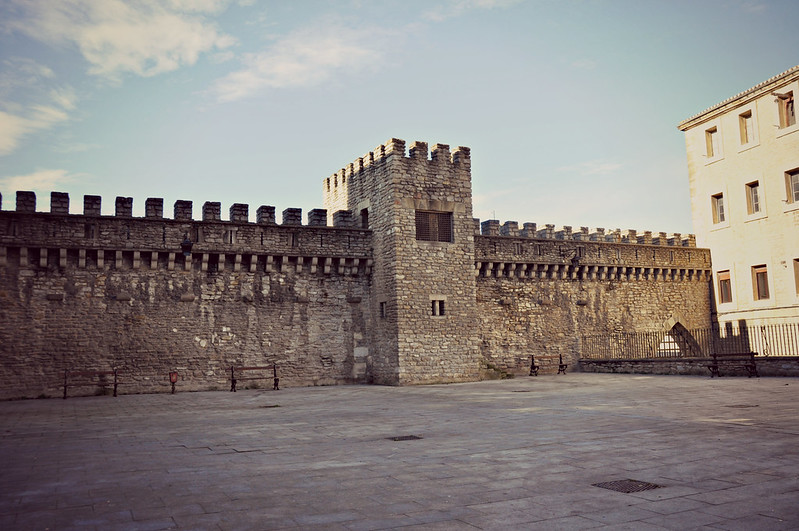
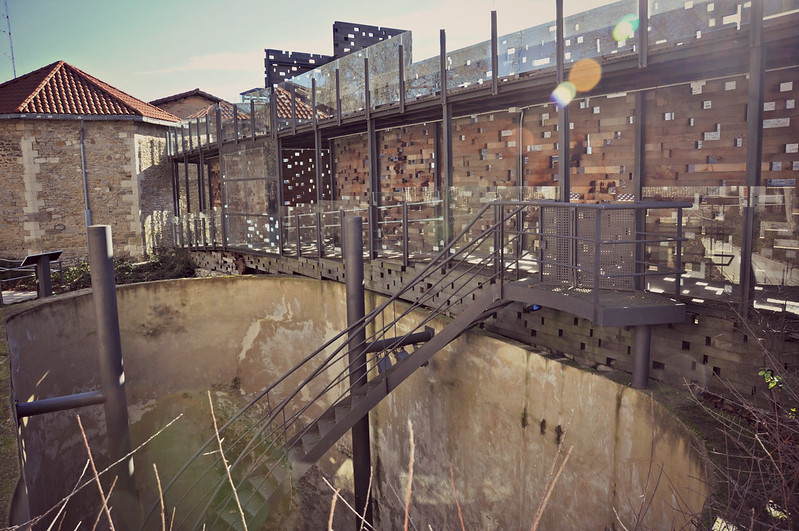
Dizem que o centro histórico de Vitória e a sua zona mais antiga é conhecida como a “almendra medieval” pela sua forma de amêndoa. A muralha ajudava a dar-lhe essa forma e foi construída durante o século XI e era parte de uma fortaleza que ajudava a proteger a colina onde estava instalada a cidade. Hoje podemos ver uma parte de essa antiga muralha que encontramos em dois lugares diferentes.
 
They say that the historical center of Vitoria and its oldest part is known as the medieval almond for its almond shape. The wall helped to give it this form and was built during the eleventh century and was part of a fortress that helped protect the hill where it the city was installed. Today we can see a part of the ancient wall that found in two different places.

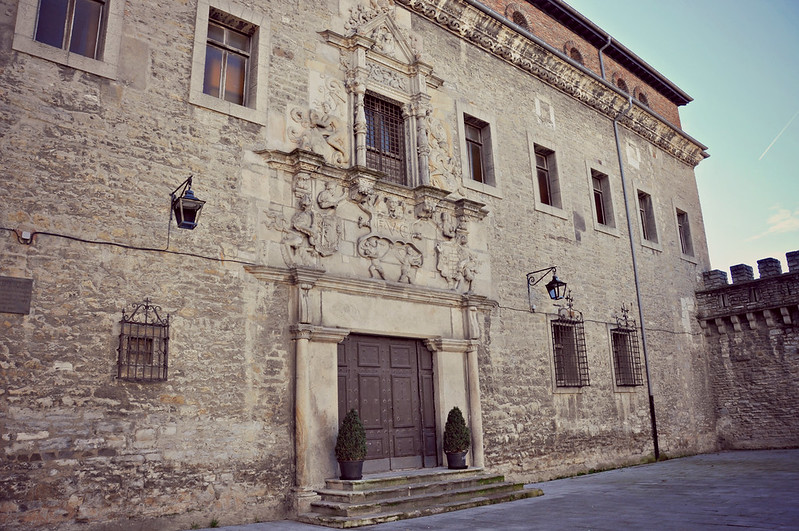
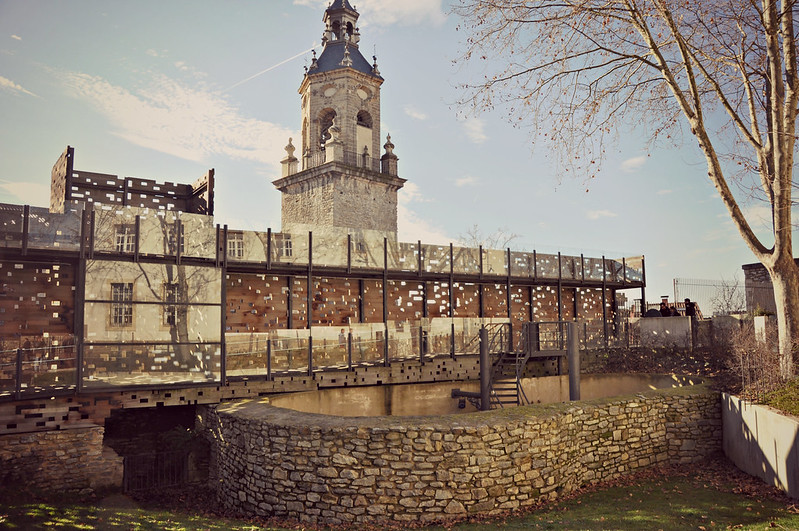
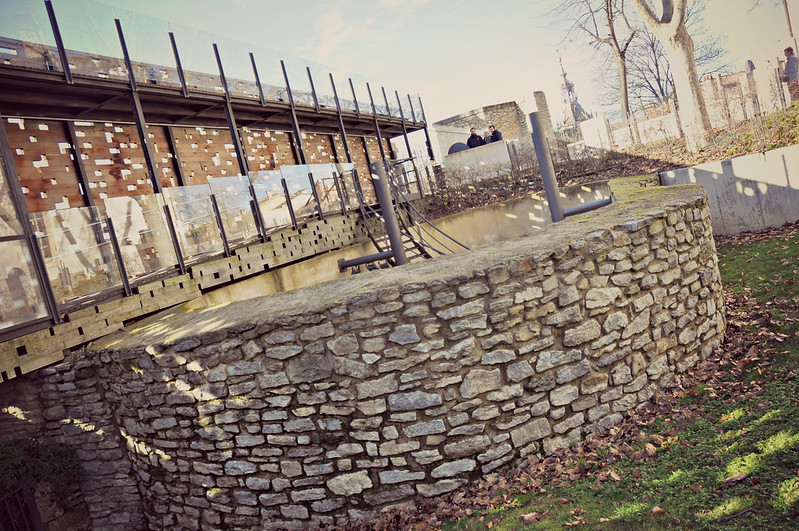
A primeira parte da muralha que visitámos conserva a pedra original do século XI mas para simular a que seria real nessa altura tem também uma parte construída em madeira. Na mesma zona estão os antigos jardins do Palácio de Montehermoso (século XVI) dos quais pouco ou nada se pode ver, apenas vemos a placa a indicar que existiram. Mais á frente encontramos uma parte da muralha Navarra construída no século XII e no pátio encontramos o Palácio Escoriaza Esquivel do século XVI.
 
The first part of the wall that we visited retains the original stone of the eleventh century but to simulate what would be real at that time they also builted a part in wood. In the same área are the ancient gardens of Montehermoso Palace (XVI century) of which little or nothing you can see, we only see the sign that they existed. More ahead we find a part of the Navarra wall built in the twelfth century and in the courtyard we can see the Escoriaza Esquivel Palace of the sixteenth century.

Our guide of:
http://hojeconhecemos.blogspot.com.es/2001/02/guia-de-vitoria-gasteiz.html