do: PLAYA DE SAN TELMO – PUERTO DE LA CRUZ, ESPANHA

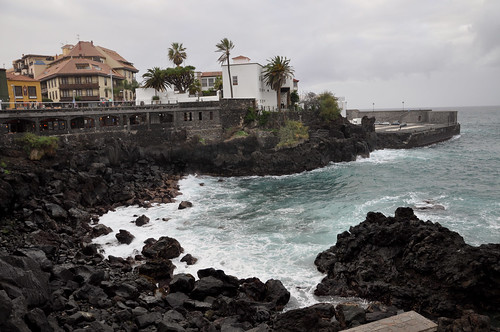
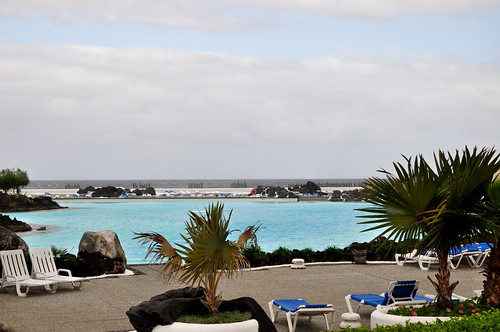
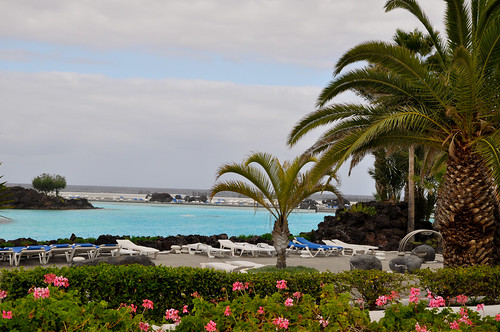
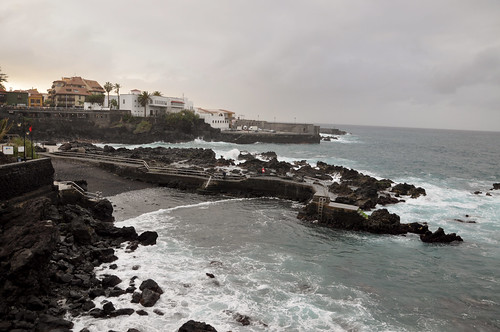
O bom tempo é sempre uma boa influência quando vais passear a algum lado, quando chove, está nublado, ou faz muito vento isso altera completamente a experiência que tens ao conhecer um lugar. Creio que foi isso que me aconteceu ao ver a Praia de S. Telmo, também é certo que eu não sou uma grande fã das praias de areia negra mas até seria capaz de experimentar se as águas assim o permitissem.
 
Good weather is always a good influence when you are talking a walk somewhere, when it rains, is cloudy, windy or it completely changes the experience that you have to know a place. I think that’s what happened to me when I saw the S. Telmo beach, it is also true that I‘m not a big fan of black sand beaches but I would have liked to try the water if they allowed it too.
A zona norte de Tenerife é mais instável em termos de tempo, é complicado vir em Fevereiro e pensarmos que estamos no Verão mas viémos numa altura particularmente “cinzenta” (e ainda bem que foi a trabalho não a lazer) e retirou-lhe alguma beleza.
Segundo a placa informativa esta é uma praia de bandeira azul e preocupada com a imagem com que fiquei dela pus-me a pesquisar mais imagens na internet e vi que realmente nos seus dias bons, naqueles em que as nuvens deixam brilhar o sol e a maré está mais tranquila entre as rochas formam-se pequenas piscinas óptimas para ir a banhos.
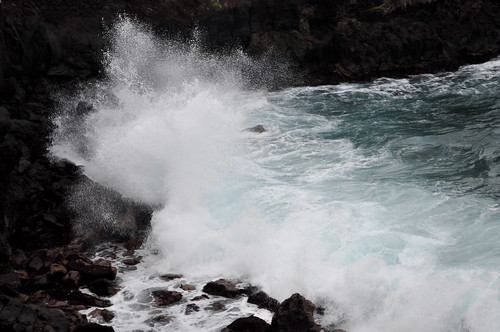
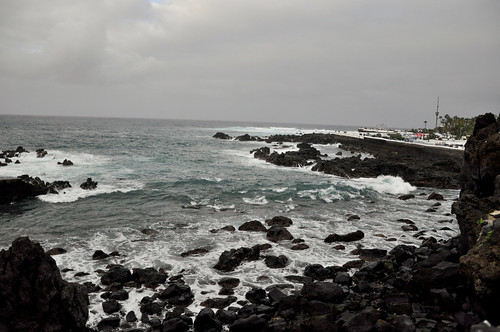
Eu gostei de ficar a ver as ondas a baterem nas rochas vulcânicas e fui aproveitando para treinar a fotografia a capturar esses momentos.
 
The north área of Tenerife is more unstable in terms of time, it’s complicated to come here in February and think it’s summer but we came at a particularly gray” time (lucky for me it was to work and not for pleasure) and took away some of her beauty .
According to the information board this is a blue flag beach and I was concerned about the image that I had of it that I began to see some pictures on the internet and saw that in a really good daywhere the clouds let the sun shine and the tide is quite peaceful the rocks make small pools great for bathing.
I liked staying there and watching the waves hit the volcanic rocks and enjoying some photography practice to capture those moments.


Mais/More posts:
 

do: ERMITA DE S.JUAN BAUTISTA E IGLESIA DE S. FRANCISCO – PUERTO DE LA CRUZ, ESPANHA

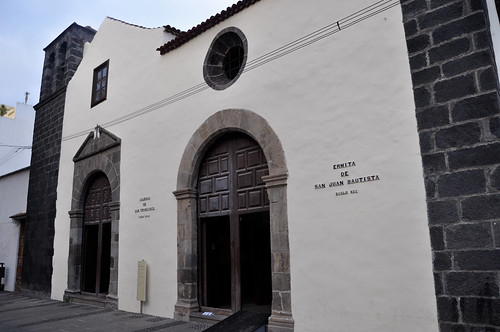
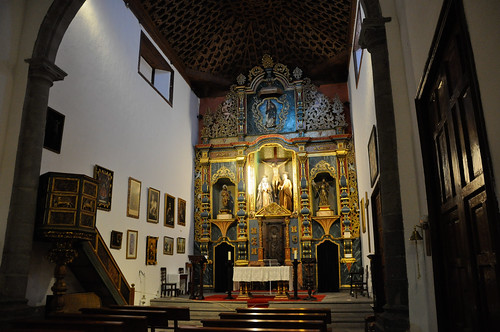
Não poderia fazer um post da Ermida separada da Igreja porque na realidade essa separação não existe. São duas portas, dois nomes diferentes mas ao entrar podes ver as duas. Não encontrei muito informação sobre elas mas do que pude ler faziam parte de um convento franciscano, antes disso a Ermida tinha sido dedicada a S. João Baptista.
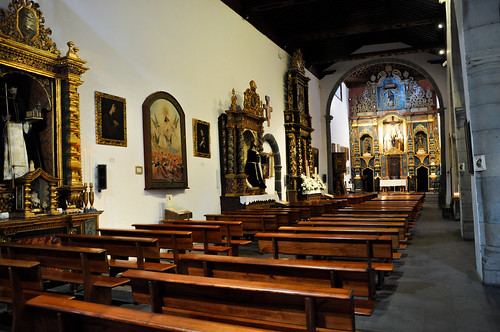
Foram construídas nos séculos XVI e XVII e no seu interior podemos ver alguns dos retablos mais bonitos da ilha.
 
I could not make a separate post of the Chapel and the Church because in reality there is no such separation. There are two doors, two different names but upon entering you can see both. I did not find much information about them but from what I read  they were part of a Franciscan convent, before that the Chapel was dedicated to S. Juan Bautista.
They were built in the sixteenth and seventeenth centuries and inside we can see some of the island’s most beautiful altarpieces.

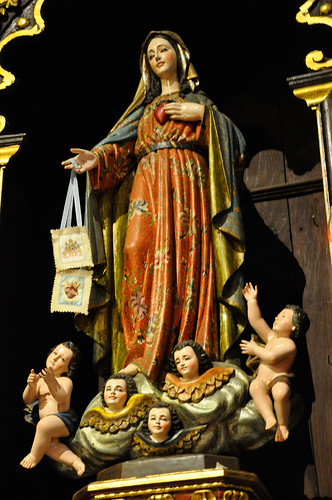
Gostei muito desta igreja mesmo depois de ter visitado a Igreja de N.S. de la Peña de Francia que é a principal de Puerto de la Cruz. Ainda que pequena os seus retablos trabalhados, os quadros que os decoram e as imagens de alguns Santos como o do próprio S. João Baptista fazem valer a pena a visita.
 
I really liked this church even after visiting the church Our Lady of la Peña de Francia that is the main one of Puerto de la Cruz. Although it was small it’s small decorated altarpieces, the paintings used in them and the images of some Saints like it’s own S. Juan Bautista make it worth the visit.


Mais/More posts:

do: IGLESIA N.S. DE LA PEÑA DE FRANCIA – PUERTO DE LA CRUZ, ESPANHA

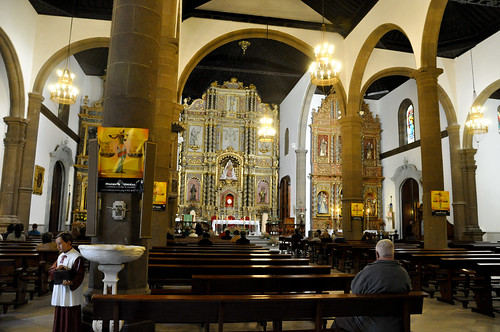
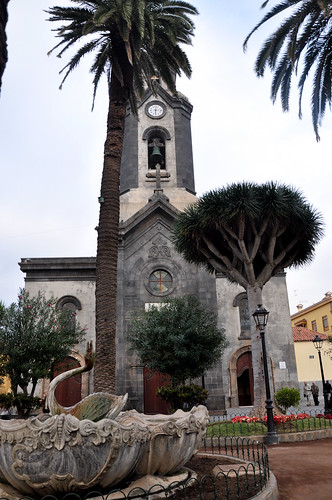
Quem a vê de fora não diría que é do século XVII, parece na realidade mais recente e talvez seja a sua torre construída no final do século XIX que nos leve a pensá-lo. Não entrei pela porta principal e mesmo assim fui logo surpreendida pelos três altares que se dividem pelas três naves da igreja. O que tinham de comum era a riqueza do trabalho decorativo para além de varias figuras importantes veneradas pela gente do Puerto de la Cruz.
 
Who sees it wouldn’t problaby say it’s from the seventeenth century, in reality in looks more recent and perhaps it is it’s tower built in the late nineteenth century that leads us to think so. I did not go through the front door and even I was surprised by the three altars that divide the three naves of the church. What they had in common was the rich decorative work in addition to several important figures venerated by the people of Puerto de la Cruz.

O altar-mor decorado com estilo barroco tem como figura central a Santa que dá o nome á igreja, N.S. de la Peña de Francia. Num outro retablo a figura da Virgen de la Carmen, uma das mais veneradas pelos portuenses, colocada num retablo do século XVIII também ele decorado ao estilo barroco.
A entrada na igreja é gratuita e não tirei muito mais fotografías no seu interior porque entrei na hora da oração. Os seus retablos são sem dúvida a sua maior riqueza.
 
The main altar is decorated with baroque style, it has as the central figure the Saint that gives the name to the church, NS de la Peña de Francia. In another altarpiece the figure of Virgen de la Carmen, one of the most venerated by the “portuenses” (locals), placed in an eighteenth-century altarpiece also decorated in baroque style.
Admission is free and I did not take much photographs inside because I visited at a hour of prayerIt’s altarpieces are undoubtedly its greatest asset.
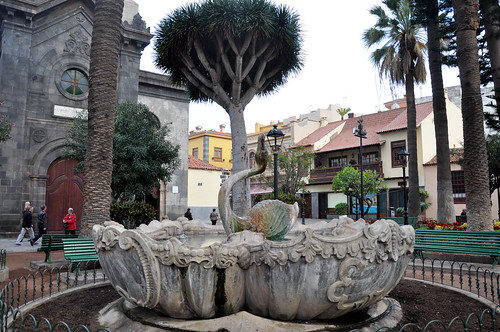
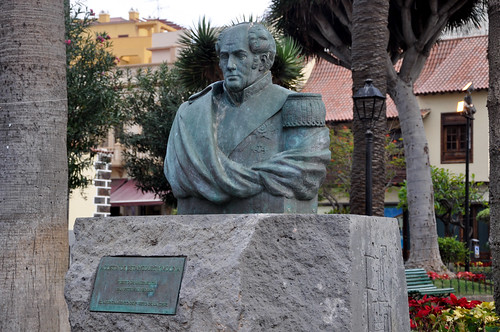
Em frente á igreja está um pequeno jardim cuja peça central é a sua fonte com uma escultura de um cisne. Junto ás escadas que dão acesso á Calle Quintana está uma escultura de Agustín de Betancourt y Molina, que nasceu nesta parte da ilha de Tenerife e cujos antepassados estão ligados á sua colonização. Foi um brilhante engenheiro que para além de Espanha também viveu na França e na Rússia.
 
In front of the church there is a small garden whose centerpiece is a fountain with a sculpture of a swan. Standing by the stairs that give access to Calle Quintana is a sculpture of Agustín de Betancourt y Molina, who was born in this part of the island of Tenerife and whose ancestors are linked to its colonization. It was a brilliant engineer who besides Spain also lived in France and Russia.


Mais/More posts:

eat: CAFÉ DE PARIS – PUERTO DE LA CRUZ, ESPANHA

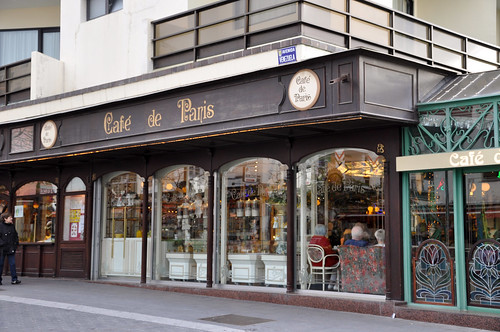
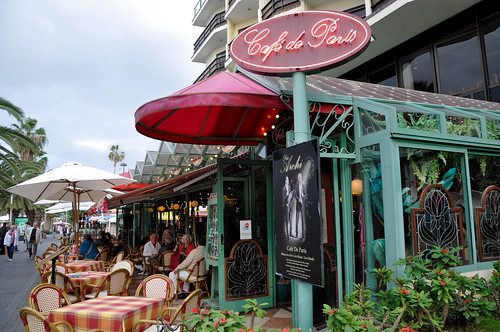
Na agenda da nossa reunião havia espaço para tempo livre e algumas recomendações de como ocupá-lo, o Café de Paris era uma delas. Achei interesante a ideia de haver uma pequena parte de Paris na ilha ainda que um pouco exagerada.
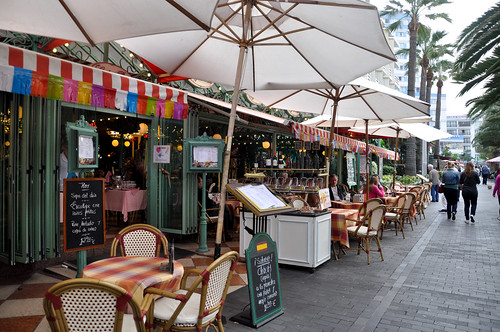
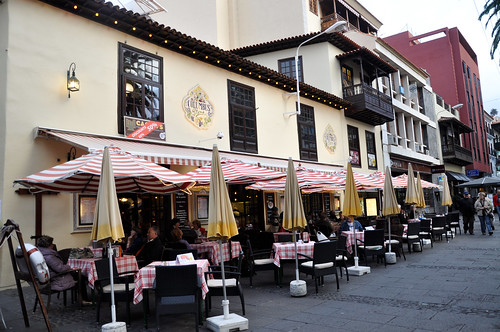
Devo confessar que quando vi o Café pela primeira vez estava a anoitecer o excesso de luzes e cor fez-me pensar que de Paris não tinha assim muito. Durante o dia, as suas cadeiras e decoração lembram de facto os cafés de rua da cidade da luz.
 
On the agenda of our meeting there was room for free time and some recommendations on how to fill it, Café de Paris was one of them. I found interesting the idea of there being a small part of Paris on the island although somewhat exaggerated.
I must confess that when I first saw this place it was getting darker and the excessive lights and color made ​​me think that it had nothing to do with Paris. During the day, their chairs and decor do reminiscent  the street cafes of the city of lights.

É um café pastelaria com os tradicionais doces franceses que também vende pão e serve refeições e claro está estava cheio dos melhores clientes desta zona da ilha, pessoas dos sessenta anos para cima. Além disso tem ainda bastante animação principalmente durante a noite com pequenos espectáculos de música ao vivo e salão de baile.
 
It’s a coffee pastry house with traditional French pastries that also sells bread and serves meals and of course was full of the best customers in this area of ​​the island, people over sixty years old. Besides that it has plenty of entertainment especially at night with small live music performances and a ballroom.


Mais/More posts:

sleep: H10 TENERIFE PLAYA – PUERTO DE LA CRUZ, ESPANHA

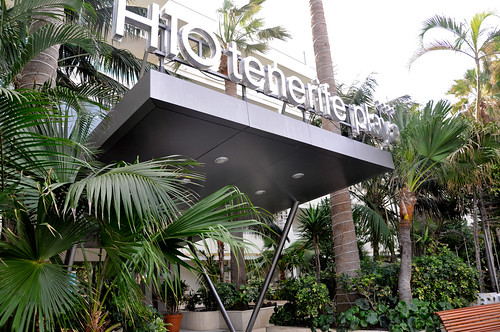
Convém explicar antes de tudo, que a minha visita a Tenerife Norte foi a trabalho. Fomos para uma reunião da empresa onde ficámos hospedados neste hotel cujo local não foi escolhido por mim. Dito isto queria deixar aqui registado para o caso de me esquecer e contemplar uma viagem em familia a Tenerife que só voltarei a este hotel quando tiver uns setenta anos, só assim me sentirei em casa. Não foi porque o hotel fosse mau mas porque grande parte dos que ali estavam alojados andavam nessa faixa etária.
 
First of all I should explain that the my visit to Tenerife was for work. We went for a company meeting where we were staying in this hotel whose location was not chosen by me. That said I wanted to leave recorded here in case I forget and if contemplating a family trip to Tenerife only to return to this hotel when we have around seventy years, just so I’ll feel right at home. It was not because it was bad but because much of their guests were at this age group.

 
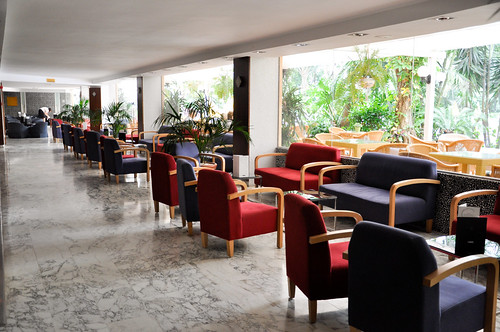
Para mim a grande vantagem deste hotel é a sua localização, a pouco mais de dez minutos a pé está o centro de Puerto de la Cruz, em frente á uma Praia e o famoso Lago Martiánez. Tinha duas piscinas num espaço que não achei muito grande e o restaurante virado para o mar onde a comida servida era “buffet” e a verdade é que não era muito mau.
O mais negativo foi mesmo a qualidade dos quartos que necessitam de remodelação. Colegas que visitaram a ilha dizem que a zona de Tenerife Norte é mais instável em termos de tempo e que muitos acabavam por trocar para o Sul para não estragar as férias, ainda assim vale a pena visitar o centro de Puerto de la Cruz e como digo, este hotel poderá ser um sitio a considerar quando me reformar.
 
For me the big advantage of this hotel is its location, just over ten minutes walk is the center of Puerto de la Cruz, it’s in front of the beach and the famous Lake Martiánez. It has two pools in a space that found not very large and the restaurant facing the sea where food was served in a buffet and the truth is that it was not too bad.
The most negative was the quality of the rooms that need remodeling. Colleagues who visited the island say that the area of ​​Tenerife north is more unstable in terms of weather and that many of them moved to the South to save the rest of their holidays but it is still worth visiting the center of Puerto de la Cruz and as I say this hotel may be a place to consider when I retire.


Website: http://www.hotelh10tenerifeplaya.com/en/index.HTML

Mais/More posts:

do: PLAZA CHARCO – PUERTO DE LA CRUZ, ESPANHA

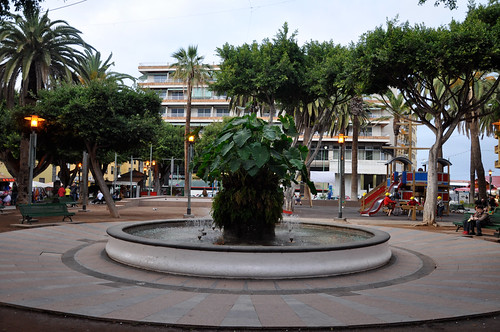
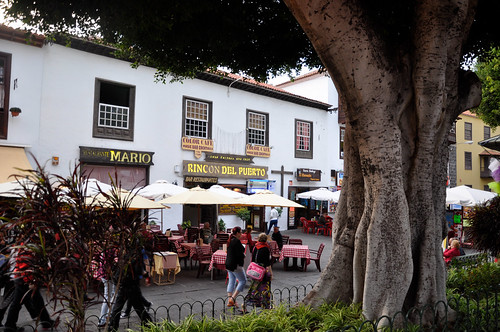
Ao centro da Plaza Charco está um Taro também conhecido como inhame ou inhame dos Açores da familia das Araceae, é esta pequena árvore colocada ao centro de uma fonte que é o símbolo da praça.
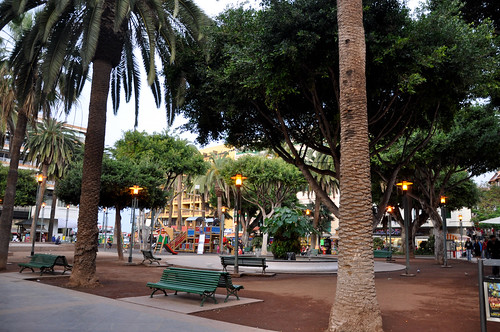
É uma das mais importantes e mais centrais de Puerto de la Cruz, onde se pode dar um passeio, levar crianças a brincar no parque, tomar um copo numa esplanada ao lado, comer num dos seus restaurantes e fazer compras.
 
At the center of the Plaza Charco is a Taro also known as yam or yam Azores from the family of Araceae, this small tree is placed at the center of a fountain that is the symbol of the square.
It is one of the most important and central squares of Puerto de la Cruz, where you can take a walk, take the kids play in the park, have a drink on a terrace, eat in its restaurants and do some shopping.
 

Chamam-lhe de Charco porque em dias de tempestade costumava ficar inundada. Encontrei-a depois de descer a Calle Quintana, uma rua pedestre que liga esta praça á zona do passeio marítimo de San Telmo.
 
They call it Charco because on stormy days it used to be flooded. I found it after getting off the Calle Quintana, a pedestrian street that connects this square with the promenade of San Telmo. 


Mais/More posts:


do: LAGO MARTIÁNEZ – PUERTO DE LA CRUZ, ESPANHA

 
Este complexo de piscinas foi criado como uma alternativa ás praias de areia vulcânica e na época que visitámos Tenerife, julgo ser também uma alternativa ás ondas que atraem surfistas mas poucos banhistas.
Foram inauguradas no inicio da década de 70 e desenhadas por César Manrique, um conhecido arquitecto e artista de Lanzarote.
 
The pool complex was created as an alternative to the volcanic sand beaches and at the time we visited Tenerife, I think it’s also an alternative to the waves that attract surfers but few swimmers.
Were opened at the beginning of the 70’s and designed by Cesar Manrique, a well-known architect and artist from Lanzarote.

 
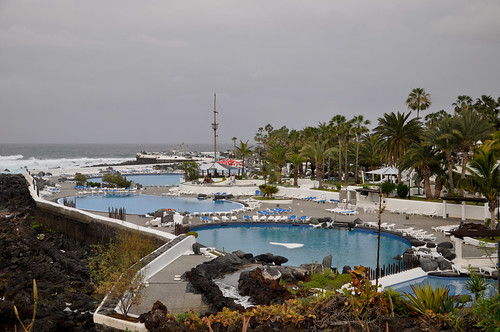
A entrada não era gratuita (creio que são 3,5€ por pessoa) e como o tempo não convidava a banhos apenas visitámos por fora. Deu para perceber a sua dimensão porque caminhávamos pelo passeio junto ao mar e continuávamos a ver as piscinas. O complexo conta com um grande lago central e várias piscinas de água salgada. Ao longe consigo ver o monumento das ondas que está na zona central.
 
The entry was not free (I think it’s 3,5€ por person) and as the weather did not appeal to have a bath I only visited the outside. I could tell its great size because we walked along the promenade by the sea and we continued to see the pools. The complex features a large central lake and several saltwater pools. In the distance I can see the monument of  waves standing in the central zone. 


Mais/More posts: