IGREJA SAN MIGUEL – ARÉVALO, ESPANHA

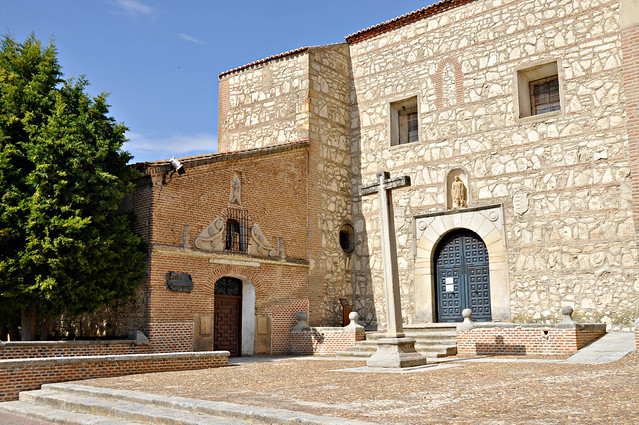
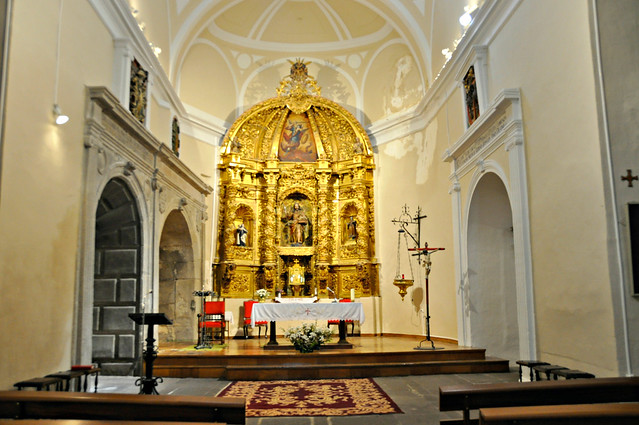
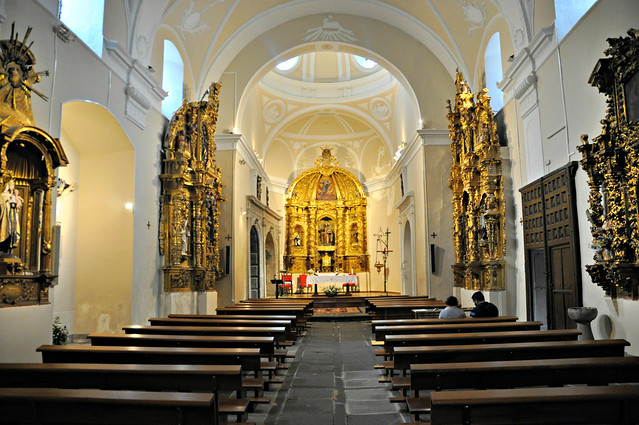
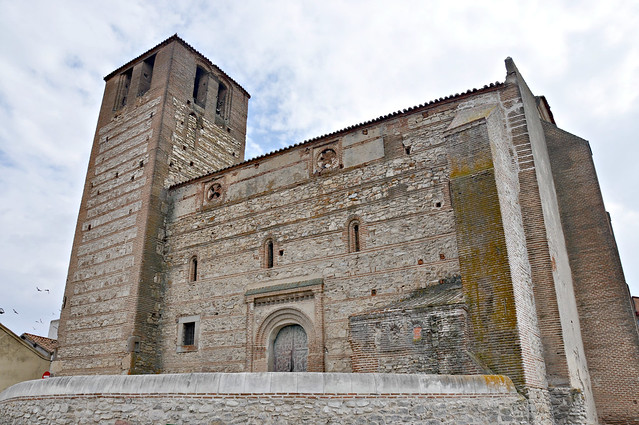
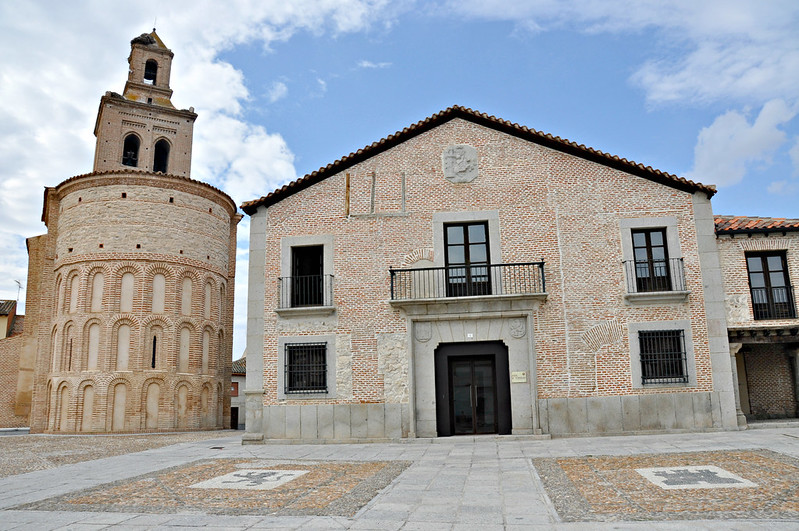
A segunda igreja na nossa rota foi a de San Miguel dedicada ao Arcanjo e ao vê-la por fora com sinais de deterioração tivémos receio do que poderíamos encontrar no seu interior. Foi construída entre os séculos XII e XVI e o seu tamanho impressiona se comparamos que as outras que vimos, também ajuda o facto de estar isolada e não ter edificios contiguos.
The second church on our route was the San Miguel dedicated to the Archangel and seeing it from the outside with signs of deterioration we had fear of what we might find inside. It was built between the twelfth and sixteenth centuries, and its size is impressive if compared to the others we’ve seen, it also helps the fact of standing alone and not having contiguous buildings.

Continue a ler “IGREJA SAN MIGUEL – ARÉVALO, ESPANHA”

PALÁCIOS DE RONQUILLO E SEDEÑOS – ARÉVALO, ESPANHA

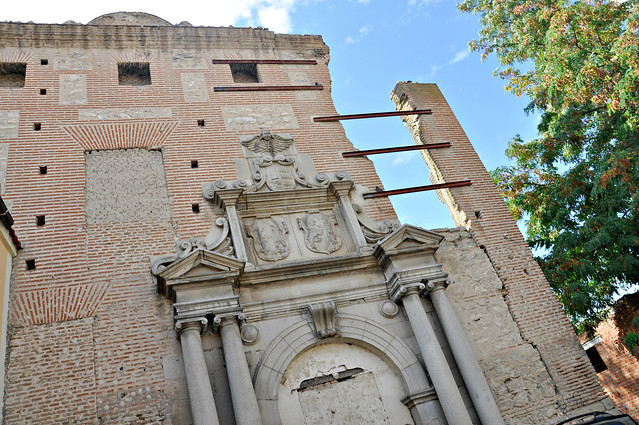
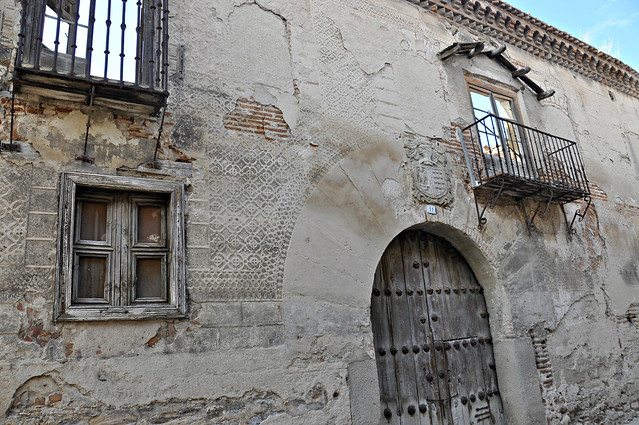
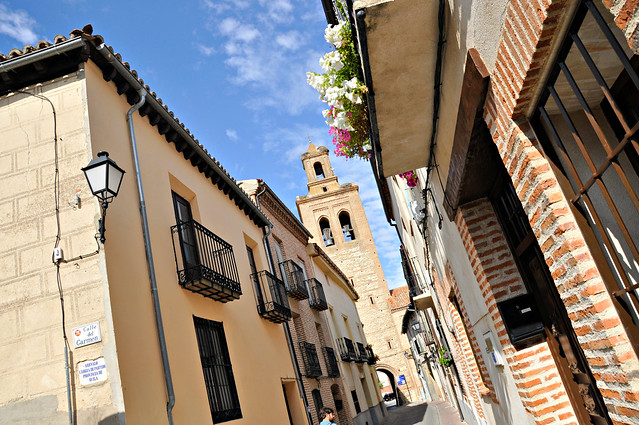
Depois de passar pela Plaza del Real entrámos na Calle de Santa Maria, a mais interessante de Arévalo. Por estar dentro das muralhas da cidade, a meio caminho entre o Castelo e o Palácio Real que estava junto ao Arco de Alcocer, foi o lugar escolhido por várias familias nobres para construir os seus palácios como os de Ronquilla e Sedeños.
After walking through the Plaza del Real we entered the Calle de Santa Maria, the most interesting of Arévalo. Being inside the city walls, halfway between the Castle and the Royal Palace which was at the Arc de Alcocer, it was chosen by several noble families to build in it their palaces such as Ronquilla and Sedeños.

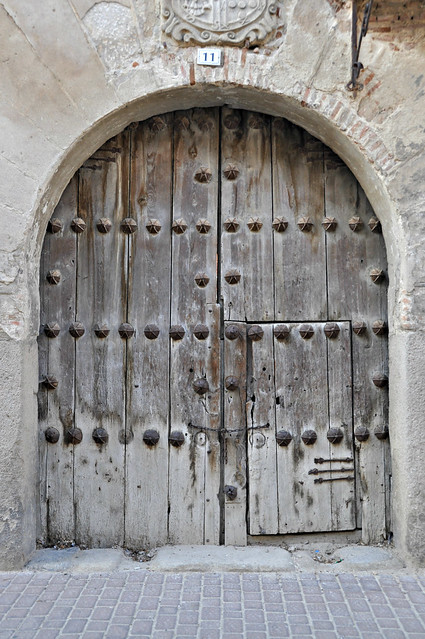
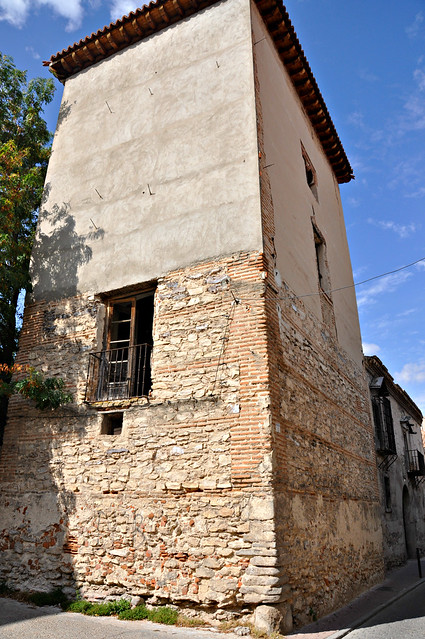
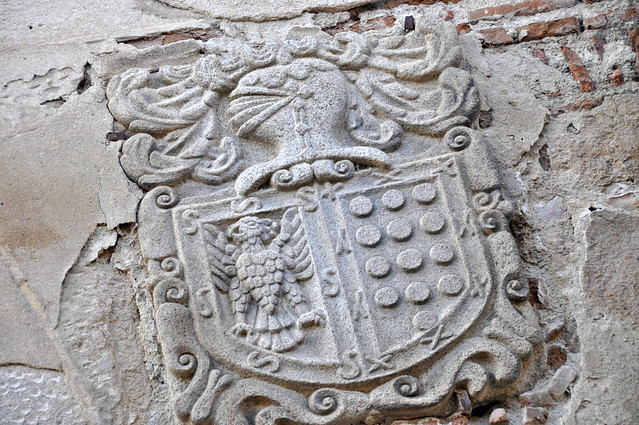
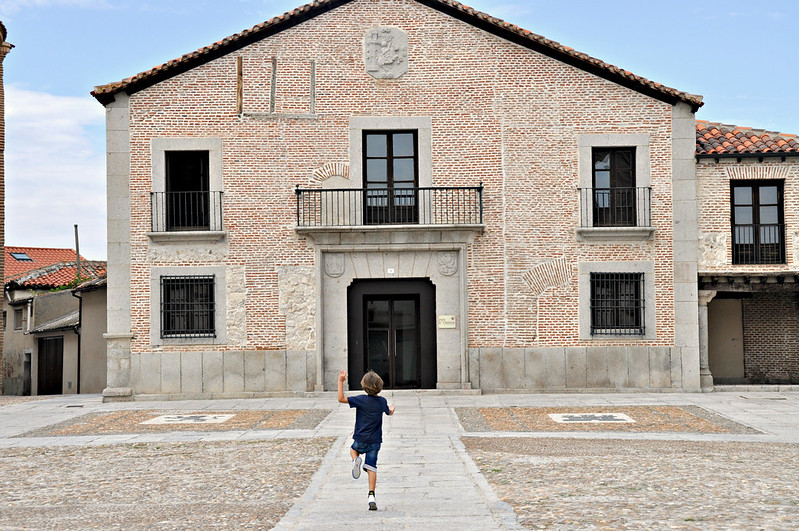
Infelizmente o que podemos ver hoje são fachadas em ruínas, não se conseguiu preservar muito uma vez que estão entregues ao abandono sem qualquer informação sobre se vão ser recuperados ou não. O de Ballesteros Ronquillo tem apenas uma parede de fachada onde podemos ver o arco trabalhado á volta da porta principal e foi construído no século XVI. Ao lado está o de Sedeños do qual podemos ver a torre e a fachada principal onde se destaca o brasão da familia por cima da sua porta medieval. A sua construção é do século XV.
Unfortunately what we see today are crumbling facades, couldn’t manage to preserve much and they are left to the abandonment without any information about whether or not they will be recovered. The Ballesteros Ronquillo has only one wall facade where we can see the arch worked around the front door and was built in the sixteenth century. Next door is the Sedeños of which we can see the tower and the main facade highlighting the coat of the family over it’s medieval door. Its construction is of the fifteenth century.
 

PLAZA REAL – ARÉVALO, ESPANHA

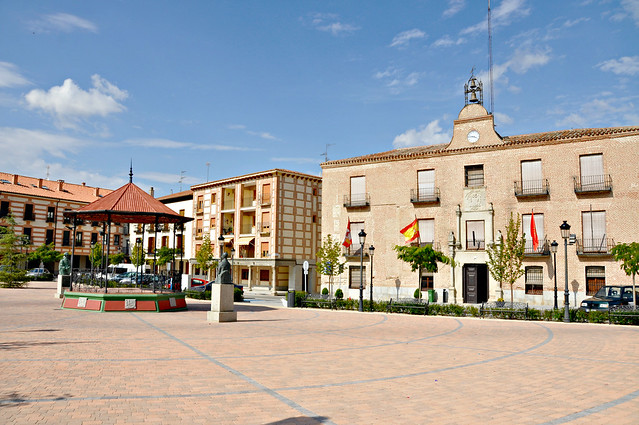
Para além das suas igrejas, as Praças de Arévalo são de particular interesse e com uma boa carga histórica. Não foi a minha favorita (a Praza de la Villa é especial) mas não deixa de ser essencial para conhecer um pouco mais sobre a cidade que acolheu a familia real que justifica a origem do seu nome já que em tempos esteve aqui o Palácio onde viveram os Trastâmara.
Besides it’s churches, Arévalo’s squares (plazas) are of particular interest and with a good historical content. This was not my favorite (the Plaza de la Villa is special) but it is still essential to know a little more about the city that housed the royal family which explains the origin of its name since once it has been here the Palace where Trastámara lived.

Continue a ler “PLAZA REAL – ARÉVALO, ESPANHA”

IGREJA SANTA MARIA A MAIOR – ARÉVALO, ESPANHA

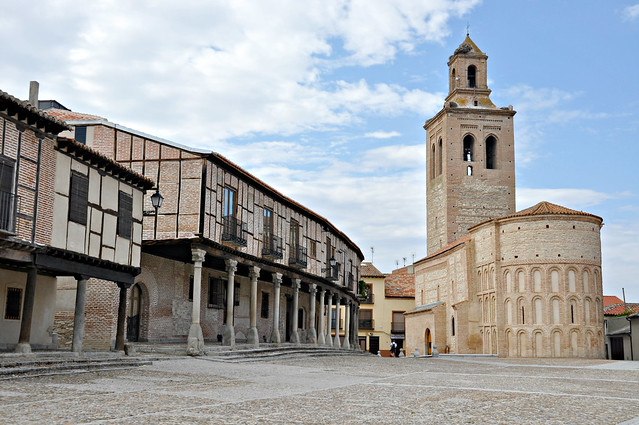
Um dos edificios mais relevantes da Plaza de la Villa em Arévalo é esta igreja que destaca pelo seu campanario, foi construída entre os séculos XII e XIII com um estilo Mudéjar. Faz parte de uma rota de quatro igrejas que partilham uma entrada de 3€ (se a memória não me falha) e no seu interior de decoração simples encontrámos pequenos tesouros arquitectónicos da época.
One of the most important buildings of the Plaza de la Villa in Arevalo is this church that stands out for its bell tower, it was built between the twelfth and thirteenth centuries with a Mudejar style. Is part of a route of four churches that share an entry of 3 (if memory serves me) and within single decoration found small architectural treasures from that era.

Continue a ler “IGREJA SANTA MARIA A MAIOR – ARÉVALO, ESPANHA”

eat: ASADOR DESIRÉE CASA FELIPE – ARÉVALO, ESPANHA

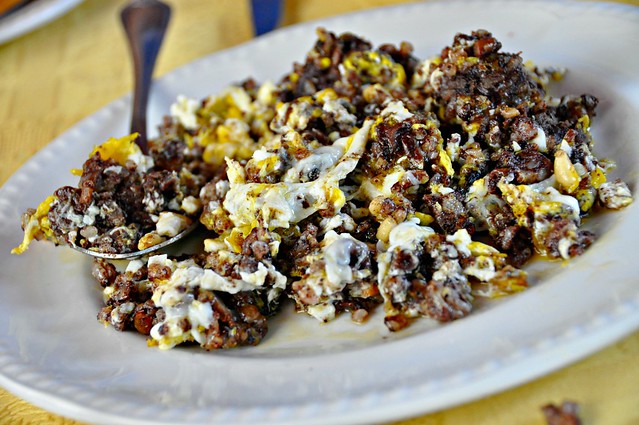
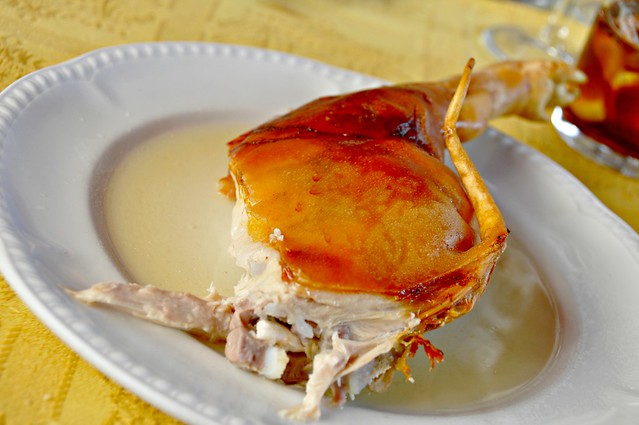
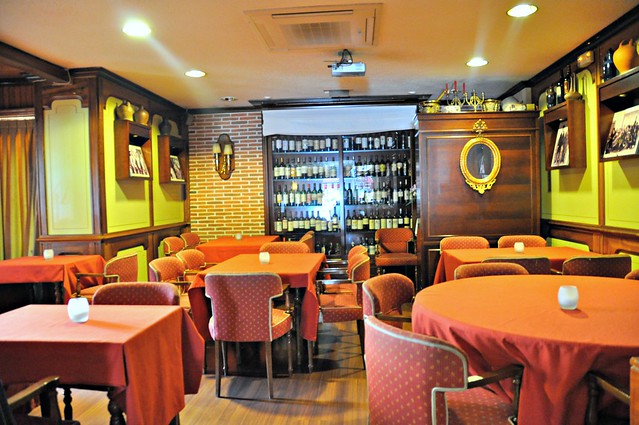
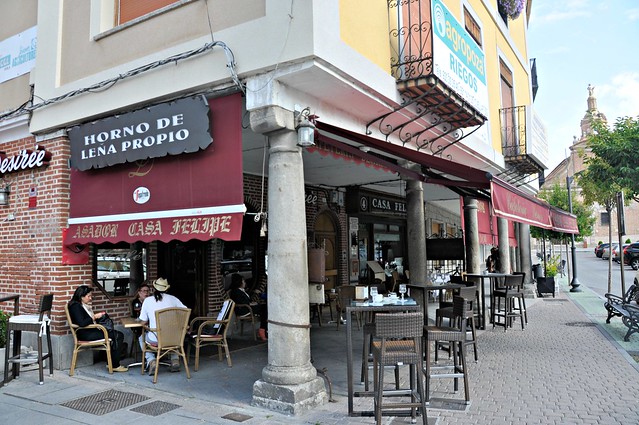
O Asador Desirée foi fundado por Felipe Prieto, começou como um café e juntou-se rápidamente á oferta gastronómica de Arévalo. O restaurante que experimentámos no dia que fomos visitar Arévalo é a soma do Desirée com a Casa Felipe, uma homenagem que a sua familia fez e que continua a servir pratos de forno de lenha. Um deles é o “cuchinillo” (leitão) também conhecido na zona por “toston”.
 
The Asador Desirée was founded by Felipe Prieto, started as a cafe and joined quickly the gastronomic offer of Arévalo. The restaurant that we experienced on the day we were visiting Arévalo is the sum of Desirée with Casa Felipe, a tribute that his family made  and continues to serve dishes from the wood oven. One is the cuchinillo” (pig) that in the area is also known as “toston”.

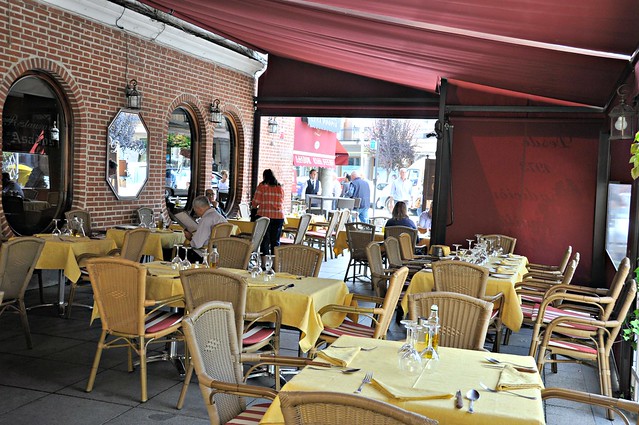
Decidimos ficar na esplanada, parecia ser uma boa ideia até ser invadida por vespas o que torna a refeição menos agradável. Pedimos para começar uns ovos mexidos com morcela que estavam óptimos, estava cozinhados ao ponto e os pinhões acrescentam sabor ao conjunto.
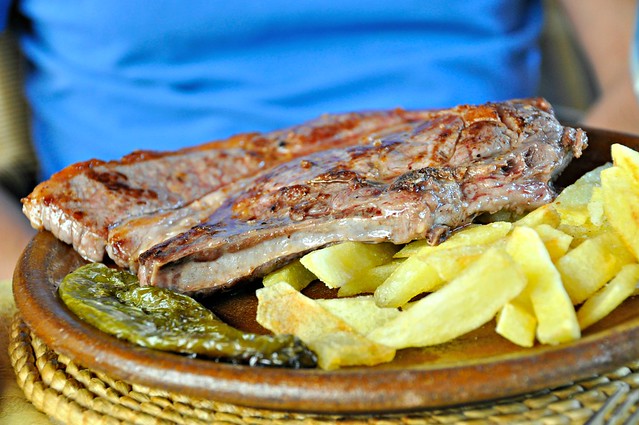
Os segundos pratos foram o “cuchinillo” e o entrecote, ambos muito bons mas para ser sincera depois de ter comido o primeiro no Siboney foi difícil o de hoje ser melhor, a expectativa estava demasiado alta.
Os preços rondam os 25-30 euros por pessoa, algo normal na cidade que vive do turismo madrilenho que procura o melhor “toston” a cada fim de semana.
 
We decided to stay on the terrace seemed like a good idea to be invaded by wasps which makes it a less enjoyable meal. We ordered to start a blood sausage with scrambled eggs that were great, it was cooked to the point and the pine nuts add flavor to the whole dish.
The second courses were cuchinillo” and the entrecote, both very good but to be honest after having eaten the first in Siboney it was rather difficult that today’s would be better, the expectation was too high.
The prices are around 25-30 euros per person, something normal in the city who lives from the Madrid’s tourist looking for the best Toston” every weekend.


Morada: Plaza del Arrabal 3

Our guide of:
http://hojeconhecemos.blogspot.com/2001/11/guia-de-arevalo.html

do: ARCO DEL ALCOCER – ARÉVALO, ESPANHA

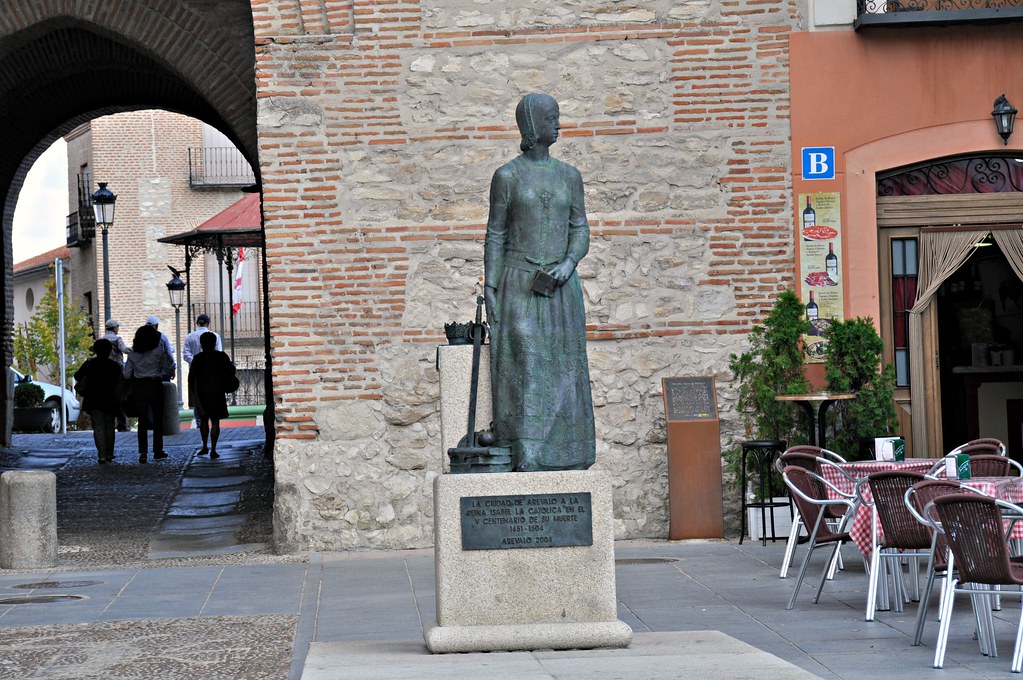
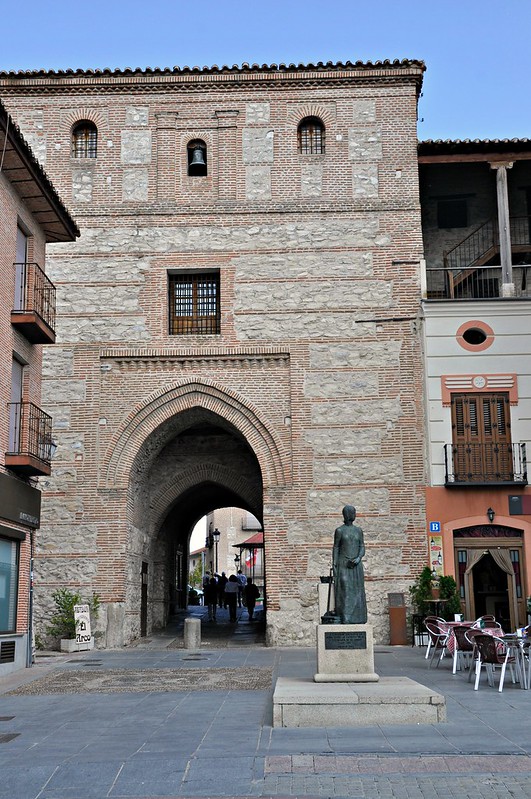
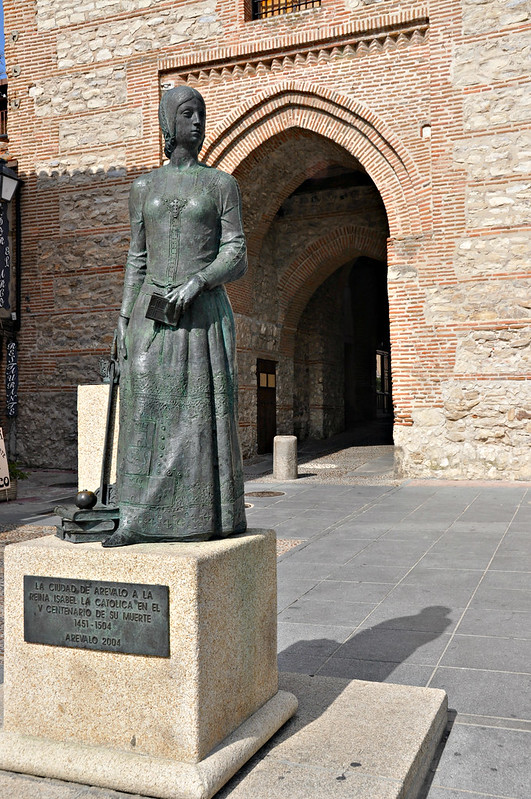
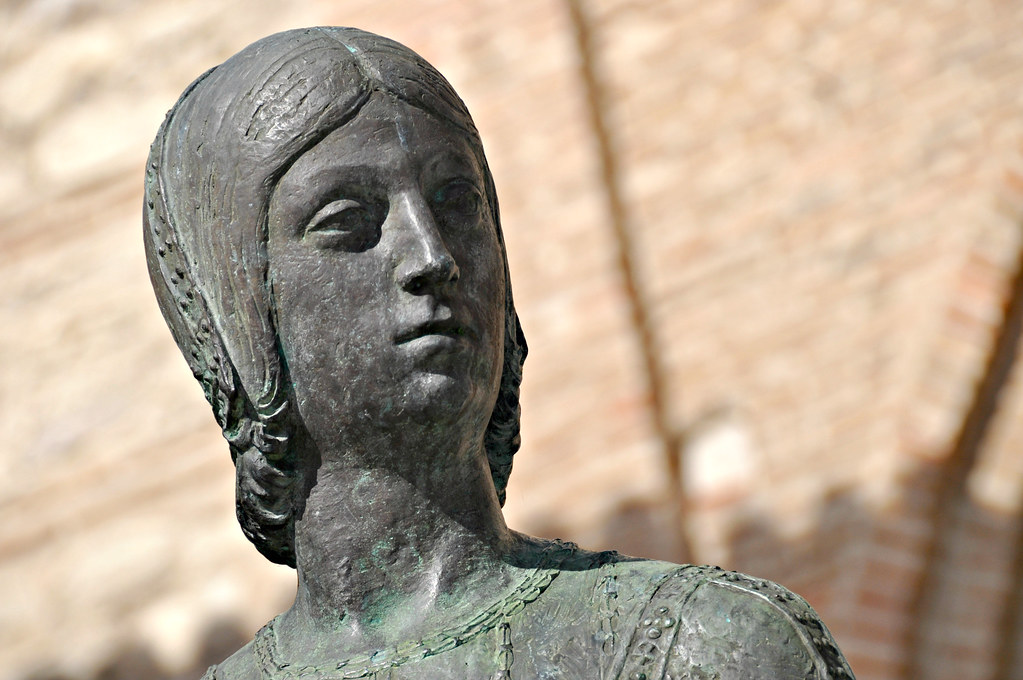
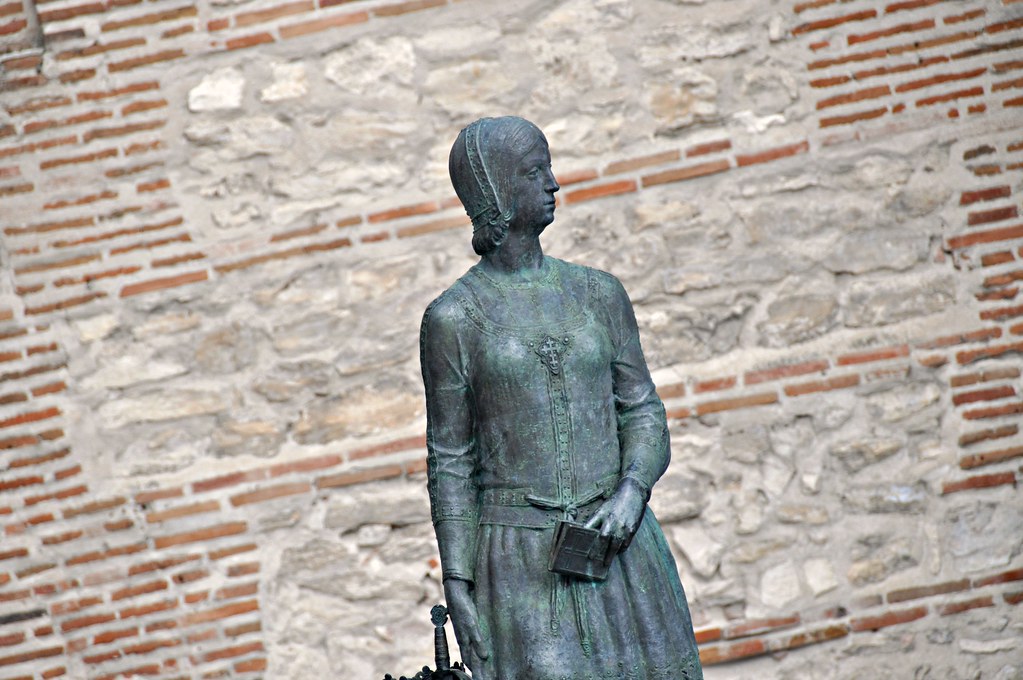
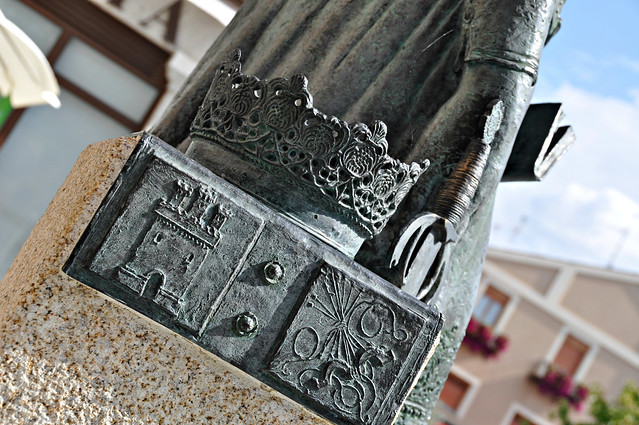
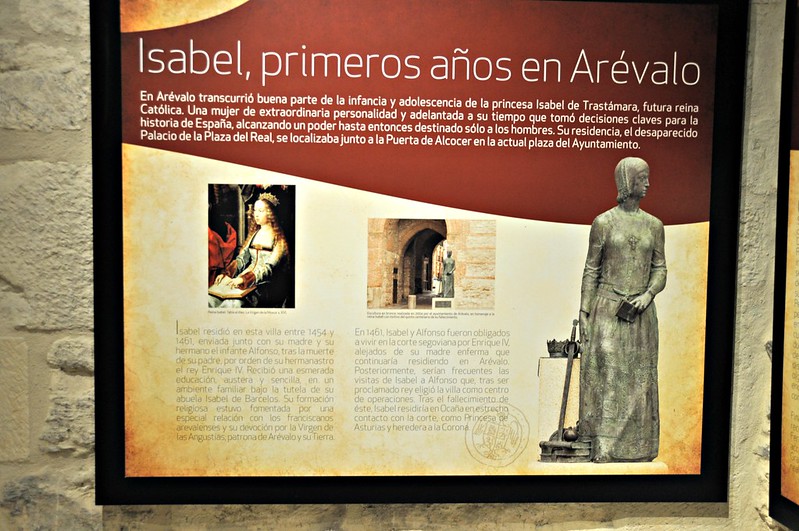
A história de Arévalo está ligada á de Isabel (a Rainha Católica) e por todo o lado há referências á sua época, porque passou aqui uma parte da sua juventude deixando para sempre a sua marca nesta pequena cidade. Junto ao Arco del Alcocer está uma estátua em sua homenagem e a esse período da sua vida, foi ali colocada em 2004 celebrando o V Centenário da sua morte.
 
The story of Arévalo is connected to the one of Isabel (the Catholic Queen) and everywhere there references to her era, as a part of her youth was spent here forever leaving her mark in this small town. Next to Arco del Alcocer is a statue in her honor and to this period of her life, was placed there in 2004 celebrating the fifth centenary of Isabel’s death.

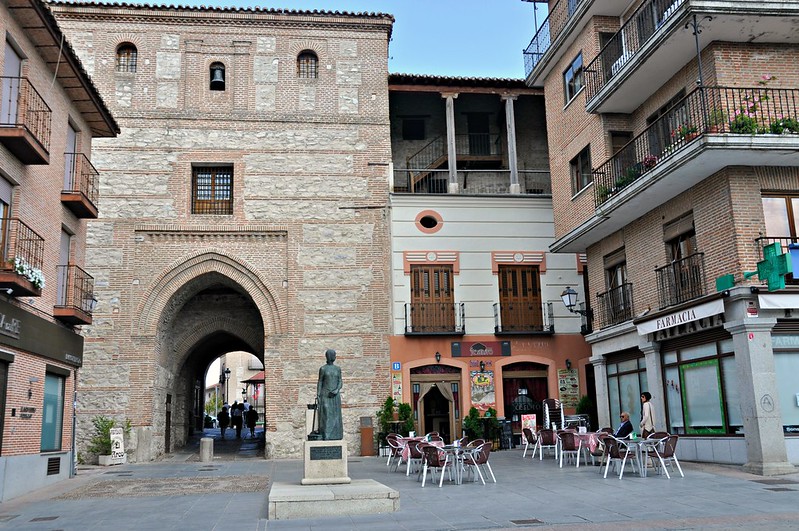
Também conhecida como a Porta de Alcocer, era uma das entradas nas muralhas da cidade e a única que se mantém de pé. A sua grande torre alberga uma passagem que nos leva até a Praça Real, nesta zona esteve o Palácio onde dizem que Isabel, o seu irmão e a sua mãe viveram. Foi também sede do Concejo e no final foi utilizada como prisão o que nos leva ao seu outro nome de Arco de la Carcel.
 
Also known as the Porta de Alcocer, was one of the entrances of the city walls and the one who remains standing. Its great tower houses a passage that leads to the Royal Square, in this area there was the palace where they say Isabel, her brother and her mother lived. It was also home to the Concejo and at the end it was used as a prison which leads to it’s other name of Arco de la Carcel.


Our guide of:
http://hojeconhecemos.blogspot.com/2001/11/guia-de-arevalo.html

do: PLAZA DE LA VILLA – ARÉVALO, ESPANHA

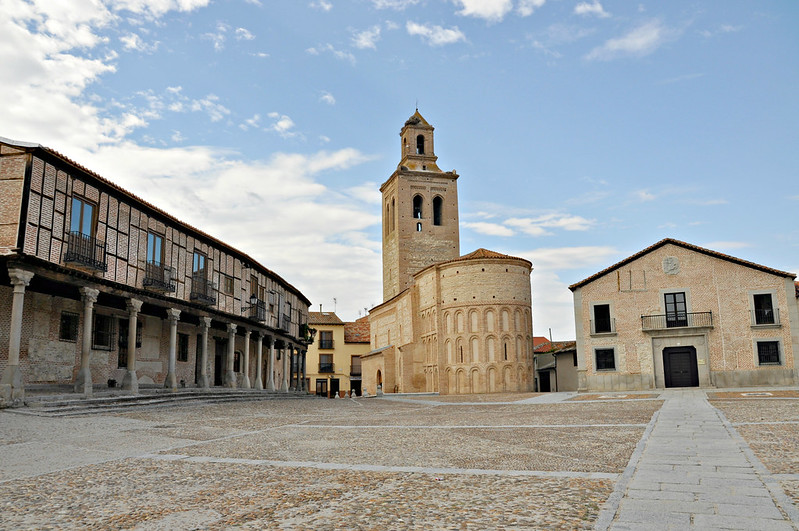
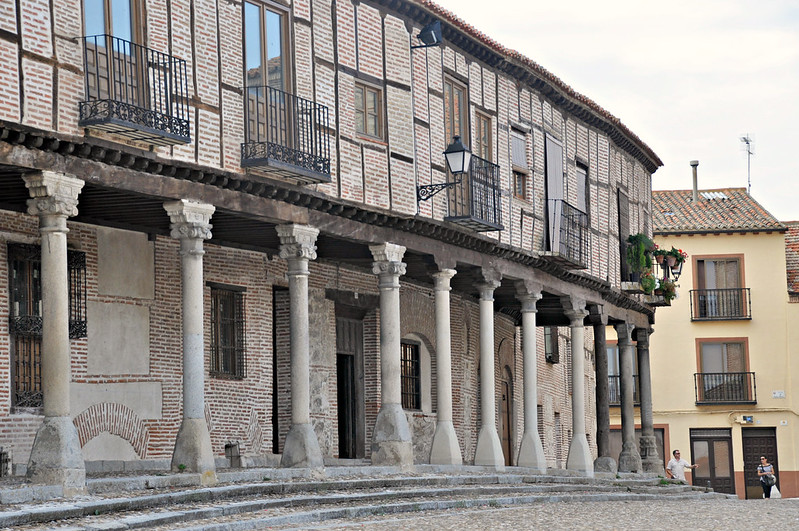
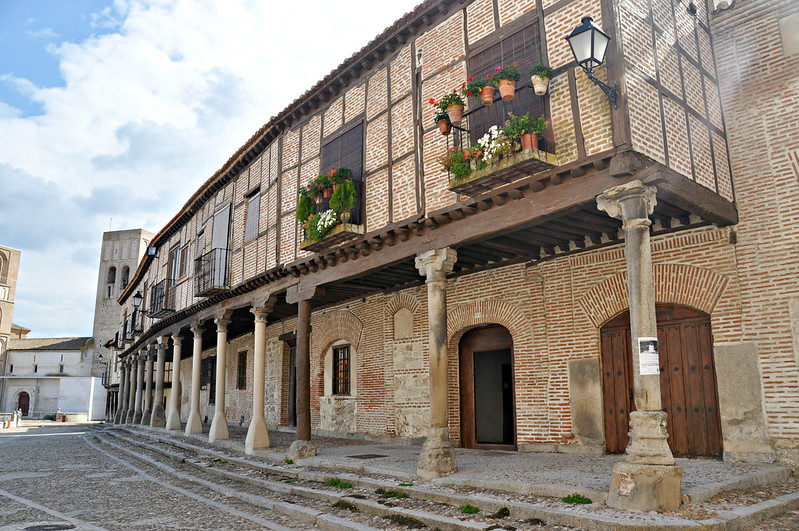
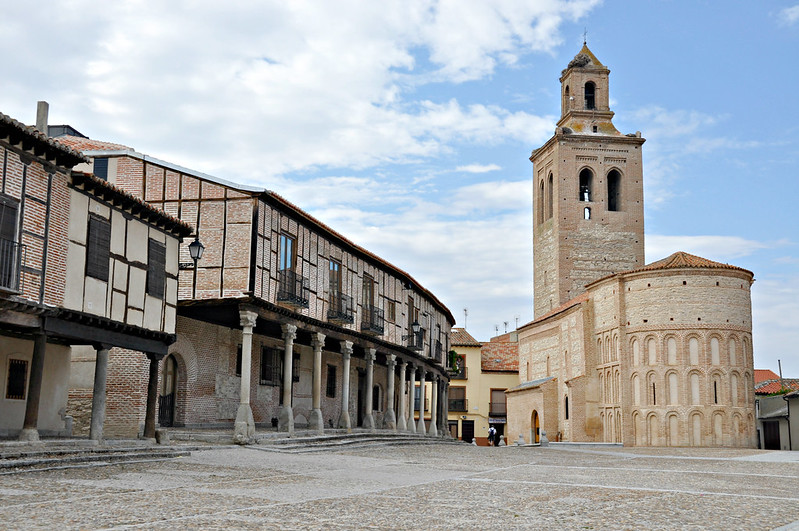
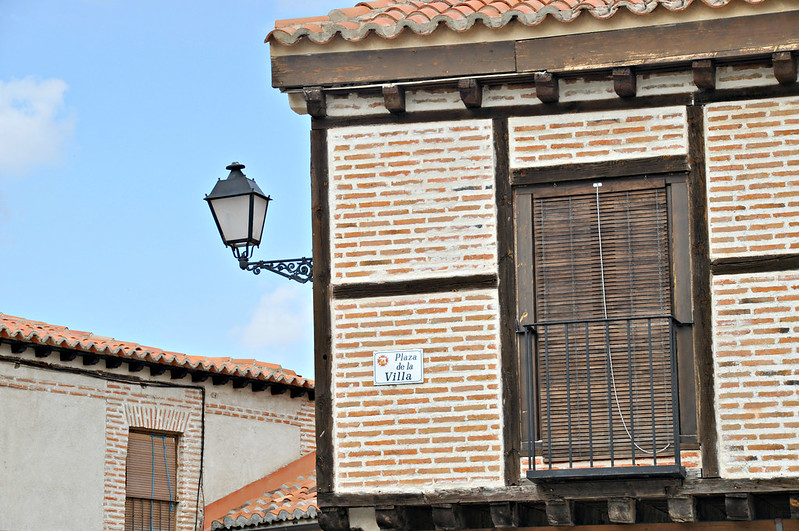
Caminhar pelas ruas de Arévalo foi uma verdadeira surpresa, sempre fui a trabalho mas com o objectivo de “conquistar” o seu Castelo com os miúdos decidimos explorar o resto da cidade. A Plaza de la Villa foi o nosso lugar preferido, um excelente exemplo da arquitectura popular espanhola com as casas de construção medieval com arcadas cujos pilares de pedra e madeira ainda hoje as mantêm de pé.
 
Walking the streets of Arévalo was a real surprise, I always went for work but now with the aim to conquer” the castle with the kids we have decided to explore the rest of the city. The Plaza de la Villa was our favorite place, an excellent example of Spanish popular architecture medieval houses with arches whose pillars of stone and wood still keep them standing.

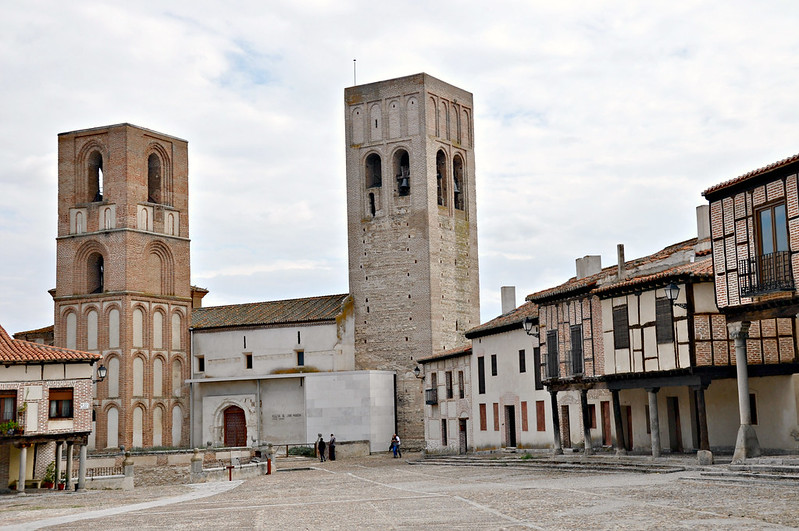
Alguns dos edificios mais importantes da cidade concentram-se nesta Praça, um deles o da Igreja de Santa Maria la Mayor construída no século XII com estilo Mudéjar. A sua torre é a mais alta de Arévalo. Ao lado está o Arevalorum ou o Museu de História, instalado na Casa de los Sexmos.
Na ponta oposta está a Igreja de S. Martin também construída no século XII onde se destacam as suas duas torres conhecidas como “gémeas”, foi restaurada e funciona como Centro Cultural.
Fomos a seguir ao almoço aproveitando a tranquilidade da praça, seguramente que na época medieval era o coração da cidade.
 
Some of the most important buildings of the city are concentrated in this square, one of which is the Church of Santa Maria la Mayor built in the twelfth century with Mudejar style. Its tower is the tallest of Arévalo. Next door is the Arevalorum or the Museum of History, housed in the Casa de los Sexmos.
At the opposite end is the St. Martin church also built in the twelfth century which features its two towers known as “twin”, has been restored and serves as a cultural center.
We went after lunch enjoying the tranquility of the place, surely that in medieval times it was the heart of the city.


Our guide of:
http://hojeconhecemos.blogspot.com/2001/11/guia-de-arevalo.html

do: IGREJA SAN JUAN BAUTISTA – ARÉVALO, ESPANHA

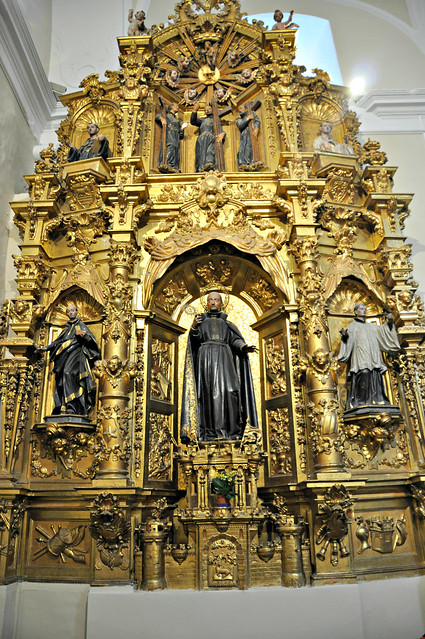
Das quatro igrejas que visitámos em Arévalo, esta foi a minha preferida e não foi difícil, era das que mais tinha para ver no seu interior, entre ornamentados retablos, a zona de baptismo decoradas com pinturas que me lembram as do Renascimento italiano, entre outras coisas que fazem dela a mais acolhedora. Foi construída entre os séculos XII-XIII e é também conhecida como San Juan de los Reyes.
 
Out of the four churches we visited in Arévalo, this was my favorite and it was not hard, it was that one that had the most to see inside, between ornate altarpieces, the baptism are decorated with paintings that remind me of those of the Italian Renaissance, among other things that make it more welcoming. It was built between the XIIXIII centuries and is also known as San Juan de los Reyes.

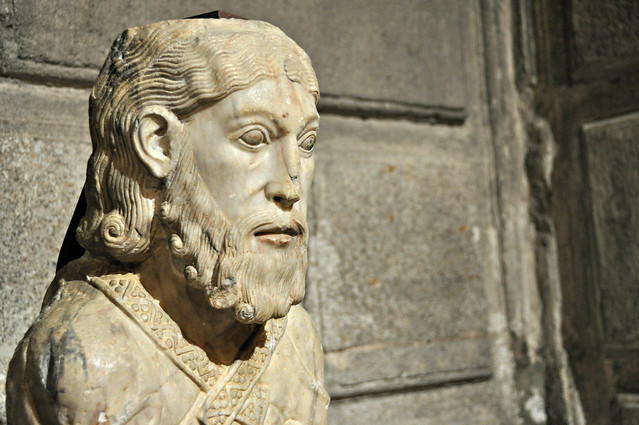
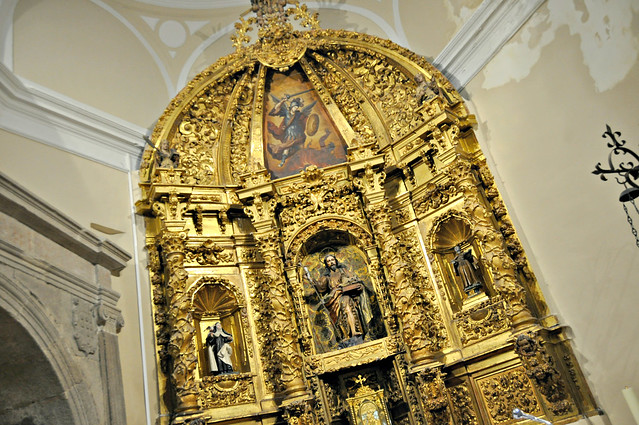
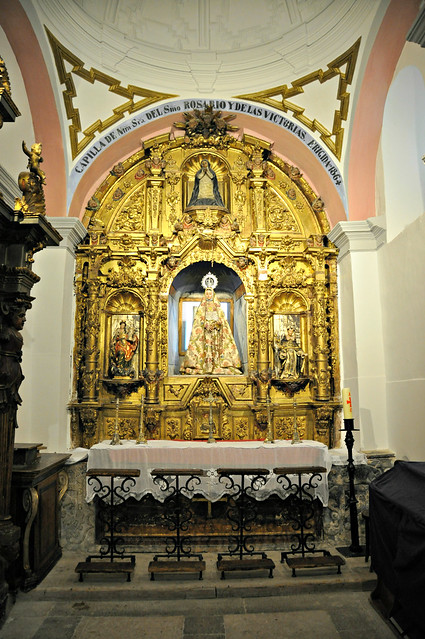
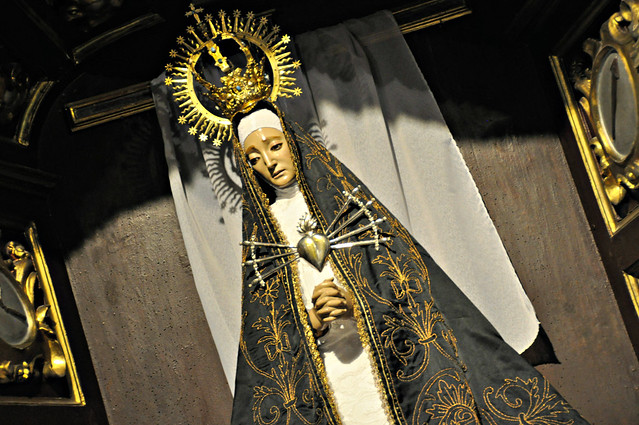
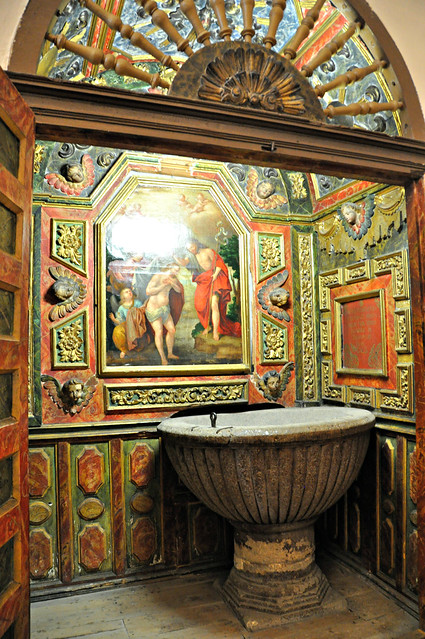
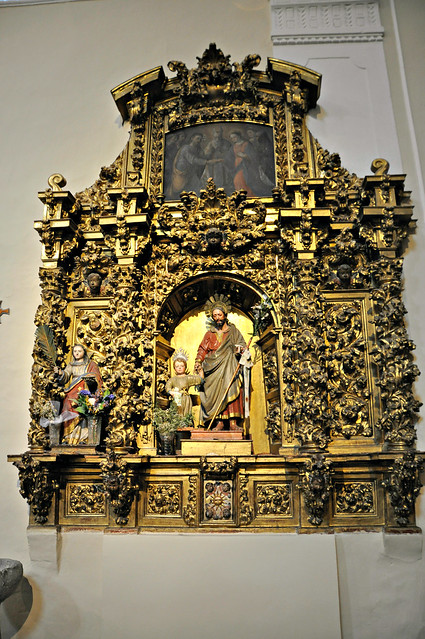
O retábulo no altar-mor está dedicado a S. João Batista e por cima, uma pintura representa o Arcanjo S. Miguel. Numa das laterais um pequeno tesouro do século XII, uma escultura em mármore de San Zacarias, o pai do santo a quem se dedicou a igreja. Pequenas capelas animam a igreja, gostei especialmente das que tinham santas no altar como a de Nossa Senhora das Angústias vestida de negro. Ao fundo, umas portas de madeira revelam, quando abertas, pequenos espaços de grande utilidade, um deles era o de uma pia baptismal rodeada por um belo trabalho de pintura.
 
The altarpiece on the high altar is dedicated to St. John the Baptist and above, there is a painting representing the Archangel Michael. On one side a small treasure of the twelfth century, a marble sculpture of San Zechariah, the father of the saint to whom the church is dedicated. Small chapels enliven the church, especially those who had saints in the altar like the one of Our Lady of Anguish dressed in black. In the background, some wooden doors, when opened, reveal small useful spaces, one of them was a baptismal font surrounded by a beautiful paint job.


Our guide of:
http://hojeconhecemos.blogspot.com/2001/11/guia-de-arevalo.html

do: CASTELO DE ARÉVALO, ESPANHA

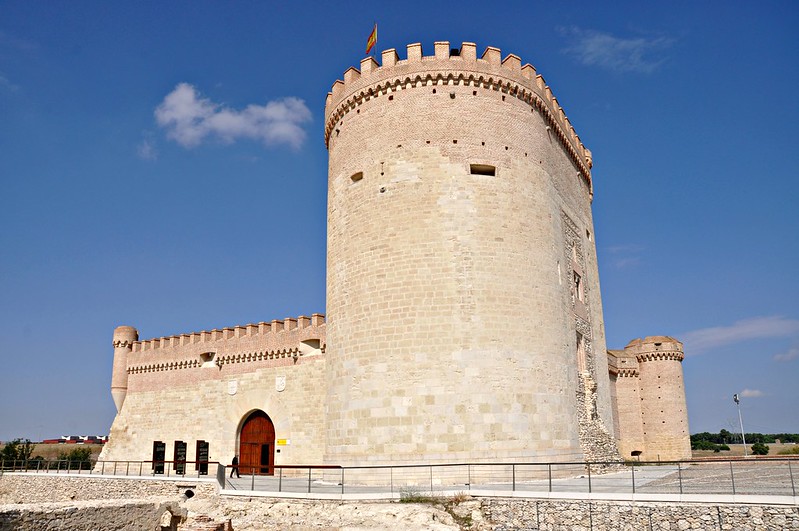
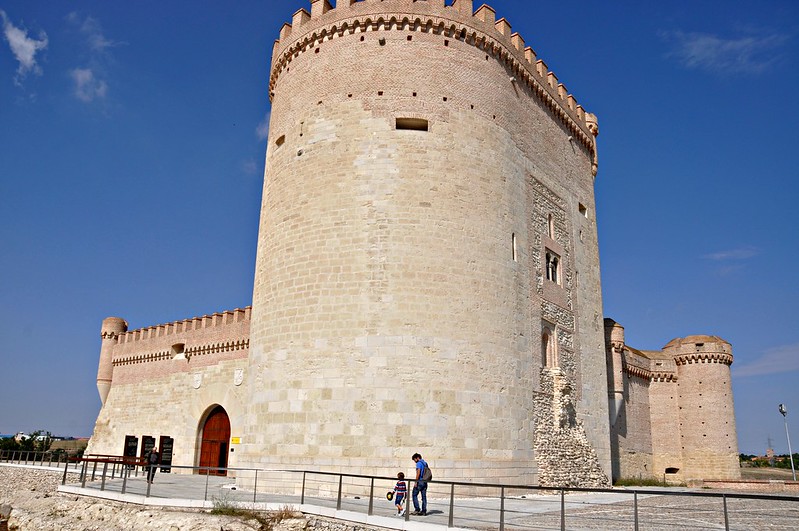
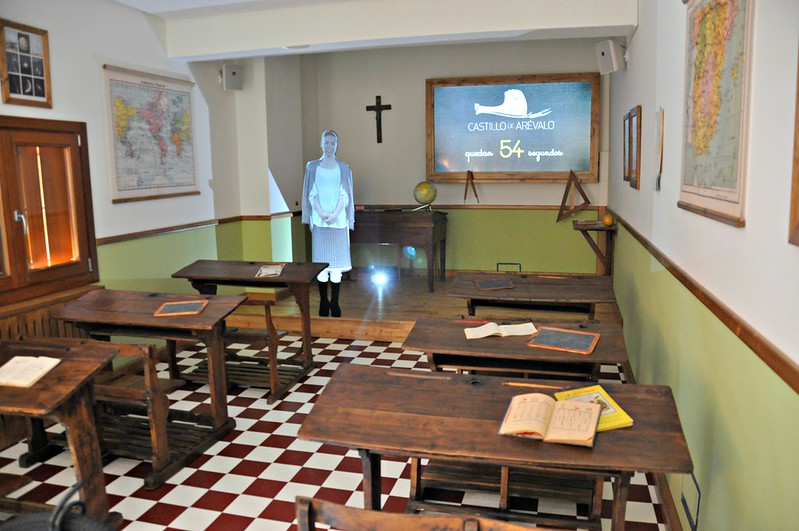
Mais um Castelo “conquistado”, desta vez foi o de Arévalo a uma hora de Madrid. Esta cidade na comunidade de Castilla y León assumiu grande relevância na juventude de Isabel, a futura rainha de Castela e a sua mãe (que tinha o mesmo nome) recebeu a vila por parte do seu marido o Rei D. Juan II. Talvez por isso e ainda que sem ter umas dimensões espectaculares, a visita ao Castelo de Arévalo é essencial para conhecer um pouco mais sobre a história de Espanha e um plano favorito para familias que vivem na zona de Madrid.
 
Another Castle won” this time it was the one in Arévalo an hour from Madrid. This town in the Castilla y León community assumed great importance in the youth of Isabel, the future Queen of Castile and her mother (who had the same name) received the village of her husband King Juan II. Because of that, and even without having a spectacular dimensions, the castle of Arévalo is essential to know a little more about the history of Spain and a favorite plan for families living in the Madrid área.

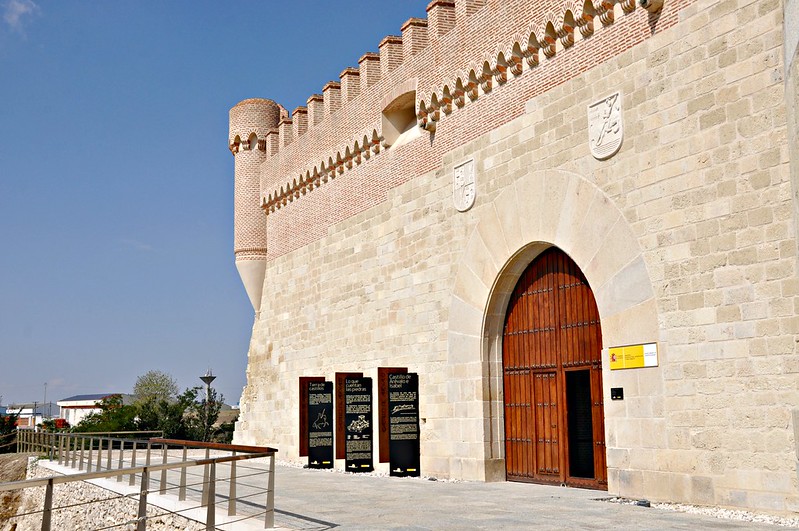
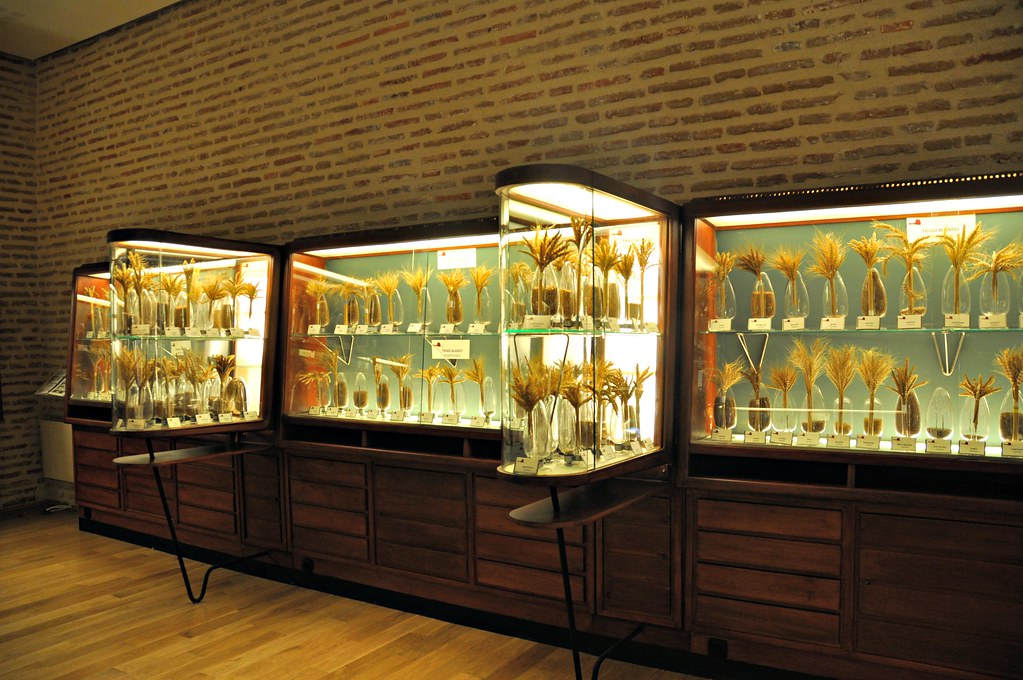
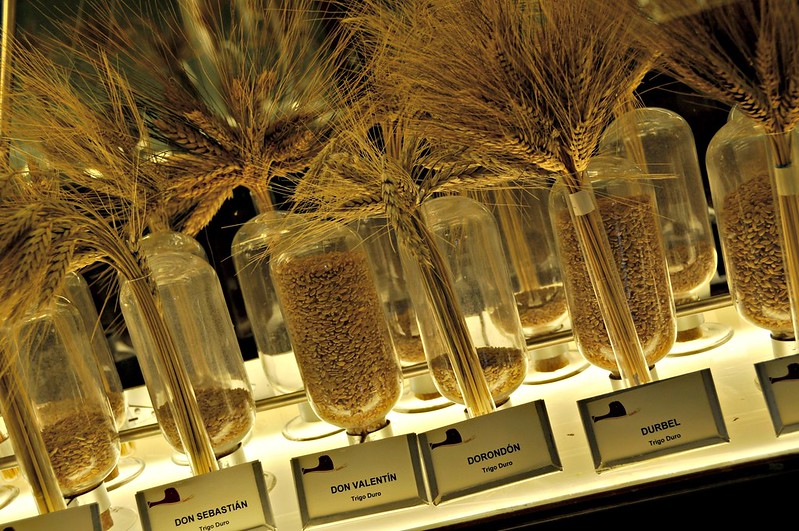
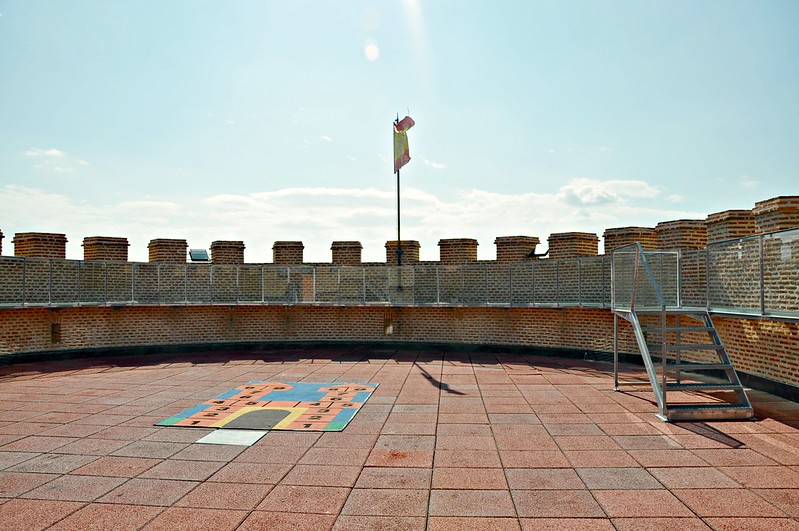
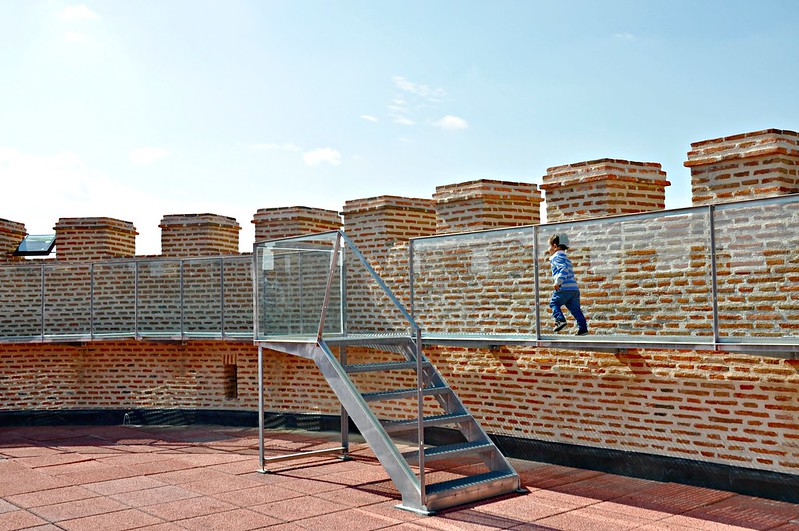
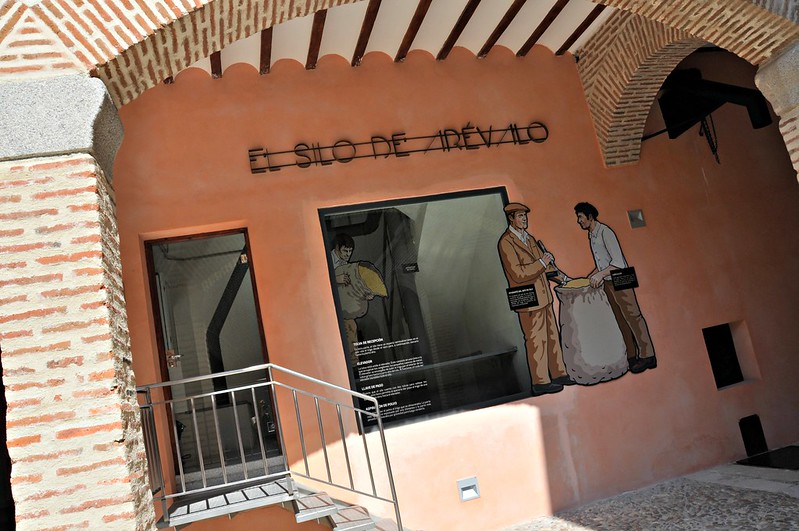
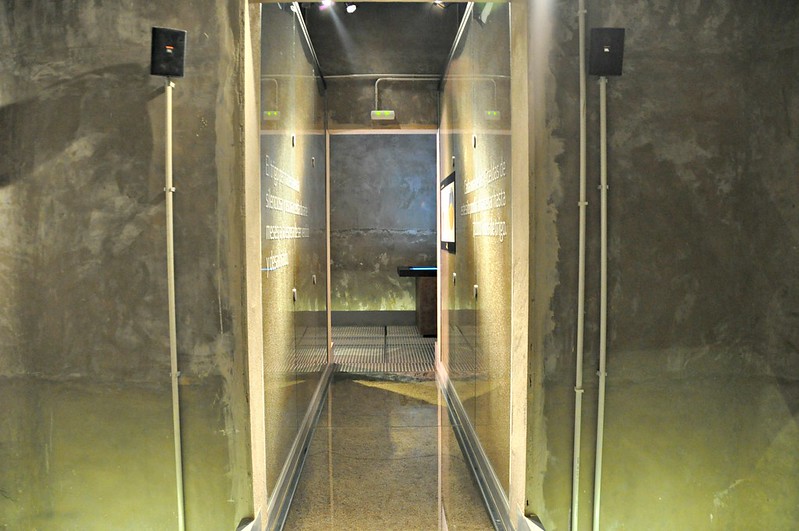
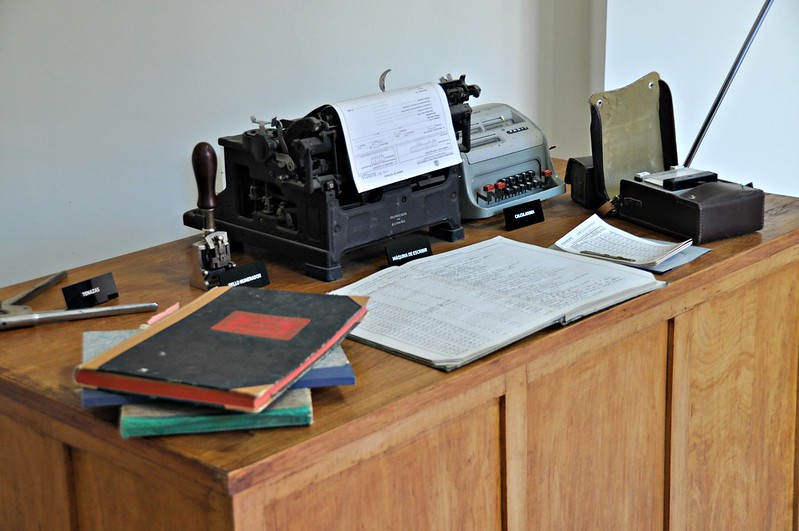
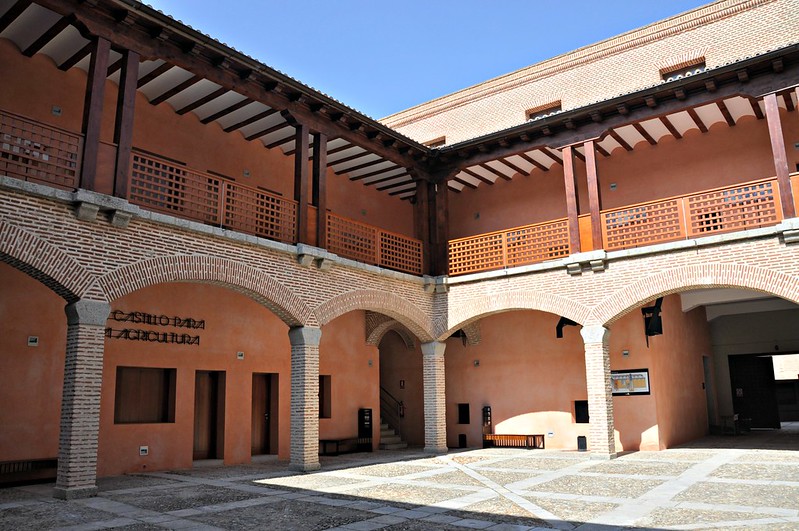
Construido no século XII tem influências românicas e mudéjar, a sua construção partiu do Duque de Béjar, Álvaro de Zúñiga. No século XV passou a pertence aos próprios Reis Católicos (Isabel e Fernando) e mais tarde tornou-se numa prisão. Teve numa época mais recente uma curiosa função: a de silo de cereais e é por isso que hoje em vez de no seu interior estar uma recriação de como seria na época medieval está um museu de cereais, matéria-prima ligada á cidade de Arévalo. Tem na Torre de Menagem uma impressionante exposição de mais de cento e cinquenta tipos de cereais e depois de subir vários degraus chegamos ao topo onde podemos ver Arévalo e arredores.
 
Built in the twelfth century has Romanesque and Mudejar influences, its construction came from the Duke of Béjar, Álvaro de Zúñiga. In the fifteenth century came to belong to the Catholic Monarchs (Ferdinand and Isabel) themselves and later became a prison. In a more recent time it had a curious feature: the grain silo and that’s why today instead of having inside a recreation of what it would be like in medieval times it is a museum of grain, one of the raw materials most linked the town of Arévalo. Has in the Torre de Menagem (Keep) an impressive display of over one hundred and fifty kinds of cereals and after climbing many steps we reached the top where we can see Arévalo and it’s surroundings.


Website: http://www.ayuntamientoarevalo.es/05eofi_tur/03/castillo/castillo.htm

Our guide of:
http://hojeconhecemos.blogspot.com/2001/11/guia-de-arevalo.html