PENHA GARCIA – PORTUGAL

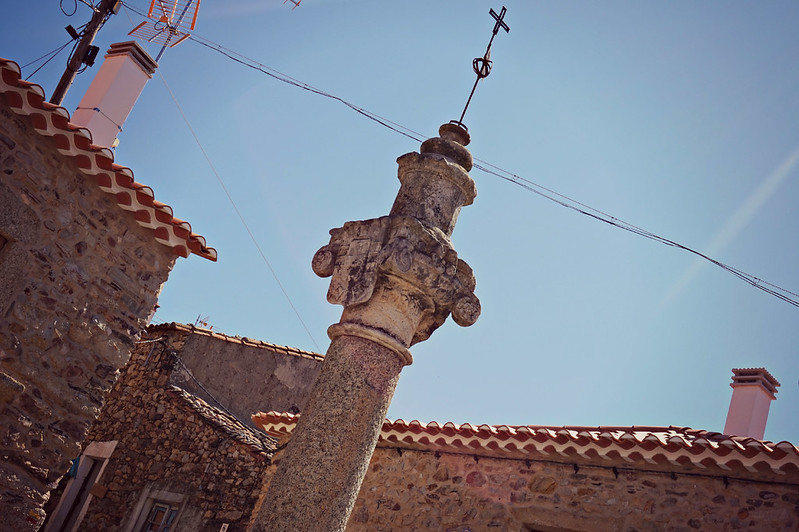
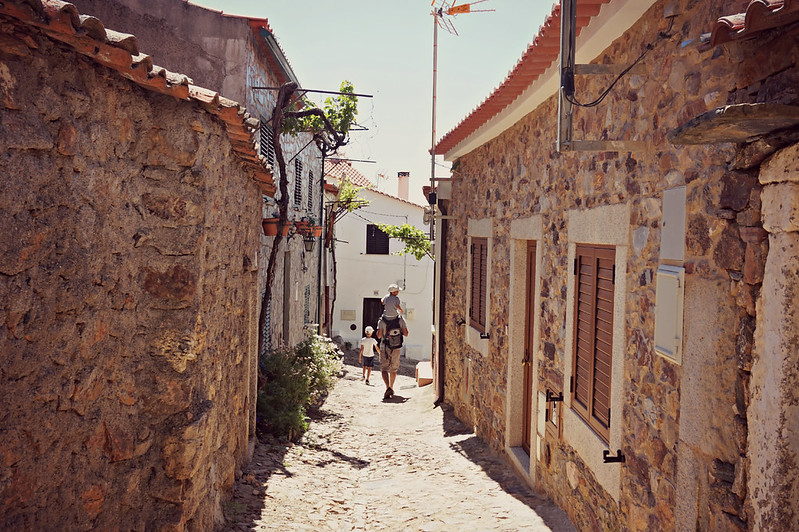
Instalados nas Termas de Monfortinho decidimos aproveitar o fresquinho da manhã para dar um passeio com os miúdos em Penha Garcia, uma pequena aldeia que tínhamos visto quando fomos jantar a Monsanto. Que saudades tinha de este tipo de passeios que fazíamos quando vivíamos em Portugal, passar por estas aldeias onde o tempo não as faz mudar, com essas casinhas de pedra e portas de madeira coloridas entregues ao abandono. Faz ter pena mas tem o seu encanto.
 
Installed in Monfortinho we decided to enjoy the fresh air of the morning to take a walk with the kids in Penha Garcia, a small village we had seen when we were dining Monsanto. I missed this kind of tours we did when we lived in Portugal, go through these villages where time does not make them change with these stone houses and colorful wooden abandoned doors . Makes you feel sorry but has its charm.
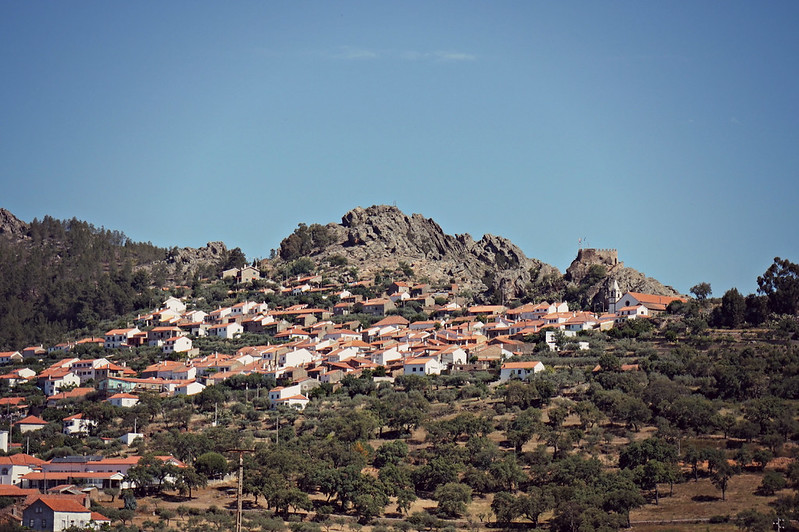
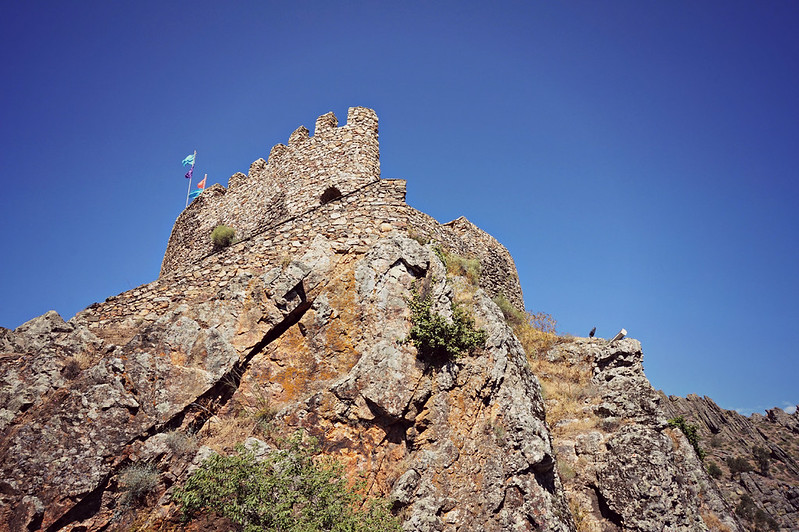
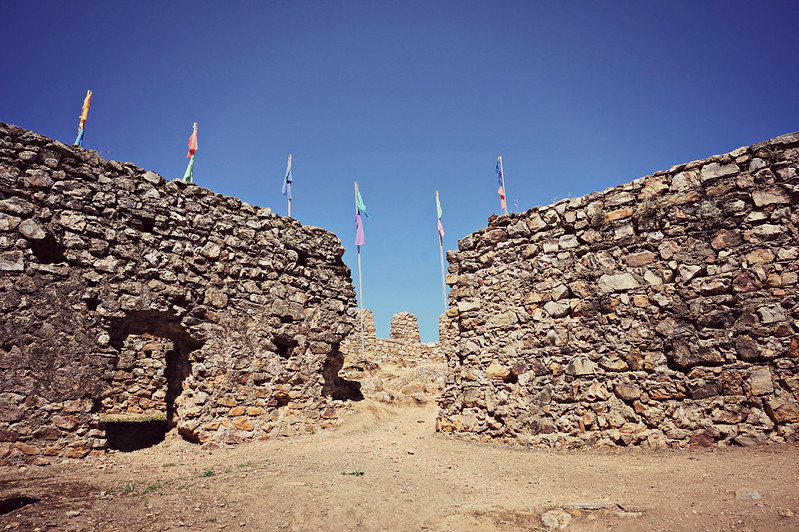
Dizem que o Castelo pode ser da época de D. Sancho I e pela sua proximidade com a fronteira espanhola podemos entender a sua importância. Dele temos uma fantástica vista sobre a região, creio que conseguimos ver Monsanto e a barragem, tudo isto numa zona rochosa que faz parte da rota dos fósseis que pertence ao Geoparque da Naturtejo. Para chegar ao topo de Penha Garcia deixamo-nos perder pelas suas ruas com encanto que me lembram os Verões de visita a aldeia do meu pai, passamos pela igreja matriz, pelo forno comunitário e pela lojinha de artesanato onde compramos algo para ajudar a micro-economia da aldeia.
 
They say that the castle may be from the time of D. Sancho I and from its proximity to the Spanish border we can understand its importance. Has a fantastic view of the region, I believe we can see Monsanto and the dam, all in a rocky area which is part of the route of fossils belonging to the Geopark Geopark. To reach the top of Penha Garcia we let ourselves get lost in the streets with charm that remind me of the summers visiting my father’s village, passed the parish church, the community oven and the handicraft shop where we bought something to help micro- the village economy.


Ô FONTE SANTA HOTEL – TERMAS DE MONFORTINHO, PORTUGAL

Precisava de um fim de semana de descanso e quando uma (GRANDE) amiga sugeriu este hotel não hesitámos em reservar para o último fim de semana de Maio. Prometia muito verde, tranquilidade, banhos de sol, boa comida e claro está, termas…dever cumprido. O hotel foi construído na década de 40 e renovado em 2005, tem quartos amplos, uma boa piscina e um bom jardim que se agradece para quem tem crianças. Foi o fim de semana perfeito.
 
I needed a week to rest and when a (BIG) friend suggested this hotel we did not hesitate in booking for the last weekend of May. Promised greenery, tranquility, sun, good food and of course, spa mission accomplished. The hotel was built in the 40s and renovated in 2005, it has large rooms, a good pool and a nice garden that welcomes for those with children. It was the perfect weekend.
O nosso quarto era familia, tinha um quarto de casal grande, duas salas e numa delas estava instalada uma cama. Tínhamos também varanda que dava para o estacionamento (infelizmente não conseguimos vista para a piscina) ainda assim era bastante tranquilo. Fomos com meia-pensão, o pequeno-almoço era regular e durante as refeições (jantar ou almoço) comemos sempre muito bem, funcionava como buffet e tinha boa variedade incluindo vários pratos quase sempre havia um de bacalhau. Mas a grande descoberta gastronómica surgiu deitada numa cadeira com vista para a piscina: uma tosta mista acompanhada com caipirinha. A tosta mista feita como Deus manda com pão alentejano e um queijo saboroso, serviram de lanche para a toda a familia.
Fica perto das termas e tem um acesso que podemos ir pé, a massagem recomendada é a Vichy de quinze minutos de onde saímos renovadas. Gostei muito da decoração do hotel, do serviço e da localização, melhor fim de semana não podíamos ter.
 
We had a family room, I had a large double room, two rooms and one of them was installed a bed. We also had a balcony that overlooked the parking lot (unfortunately we could not overlook the pool) but it was still fairly quiet. We went with one meal included, breakfast was regular and during meals (lunch or dinner) always eat very well, I served as buffet and had good variety including several dishes almost always had a cod. But the vast gastronomic discovery came while lying in a chair with a pool view: one toasted sandwich accompanied with caipirinha. The toasted sandwich made as God commands with bread “alentejano” and a tasty cheese, served as a snack for the whole family.
Is near the thermal baths and has an access that we can go walking, the recommended massage is the Vichy fifteen minutes from where we left renewed. I enjoyed the hotel’s decor, service and location, best weekend we could not have.


Website: http://www.ohotelsandresorts.com/pt/Menu/Hoteis-Termas/Hotel-Fonte-Santa/Hotel.aspx
 

PORTA DE L’AVANCÉE – MONT ST-MICHEL, FRANÇA

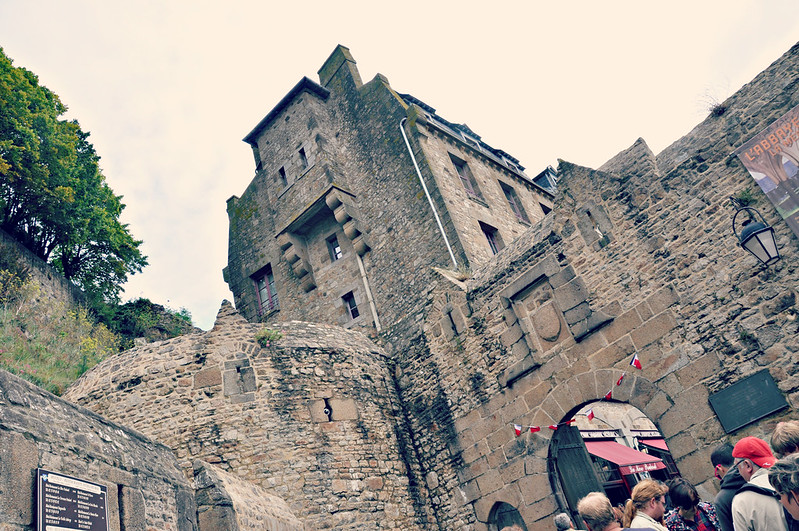
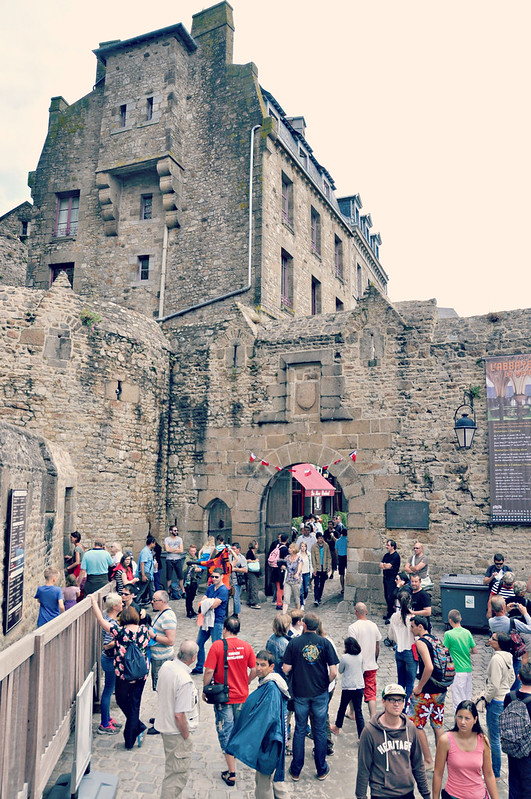
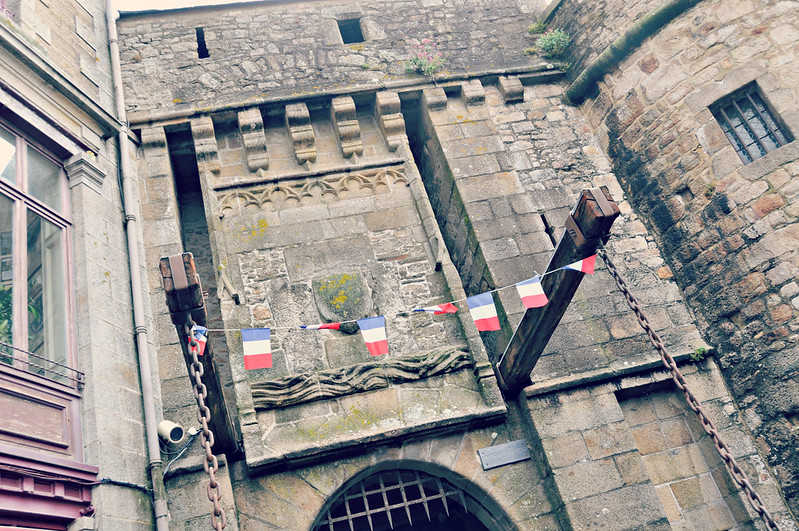
No século XV começou a construção da muralha que vemos hoje á volta do Monte e pela qual podemos dar um agradável passeio para conhecer melhor a ilha. A única entrada é a da Porta de L’Avancée que dá para uma outra porta conhecida como a do Rei que oferece uma segunda proteção.
No pátio antes de entrar podemos encontrar o posto de Turismo onde nos deram o mapa e foi só entrar no lugar onde o tempo parece ter parado.
 
In the fifteenth century began the construction of the wall we see today built around the Mount and by which we can take a nice walk to get to know the island. The only entrance is the de L’avancée door that leads to another door known as the King offering a second layer of protection.
In the courtyard before entering we find the Tourism office where they gave us the map and then it was just getting in the place where time seems to stand still.

Our guide of:
http://hojeconhecemos.blogspot.com/2015/06/guia-de-mont-saint-michel.html


IGREJA S. PIERRE E CEMITÉRIO – MONT ST-MICHEL, FRANÇA

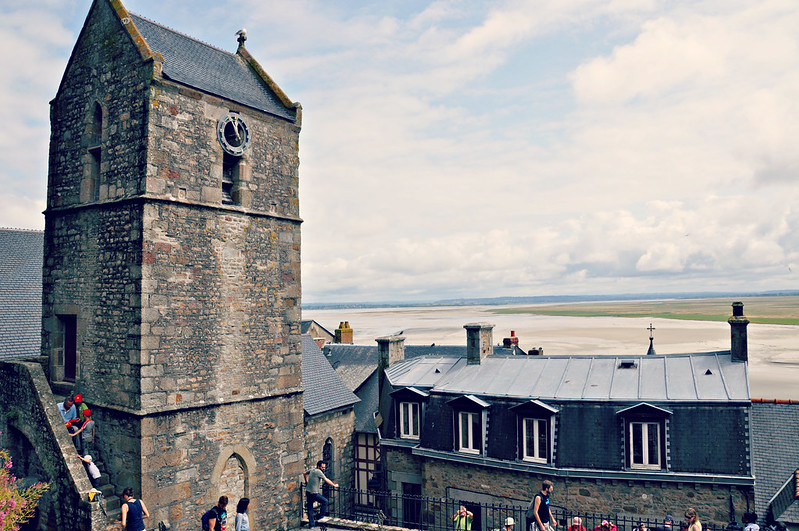
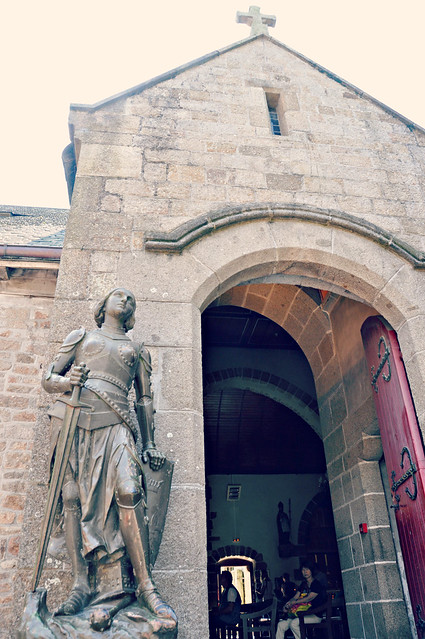
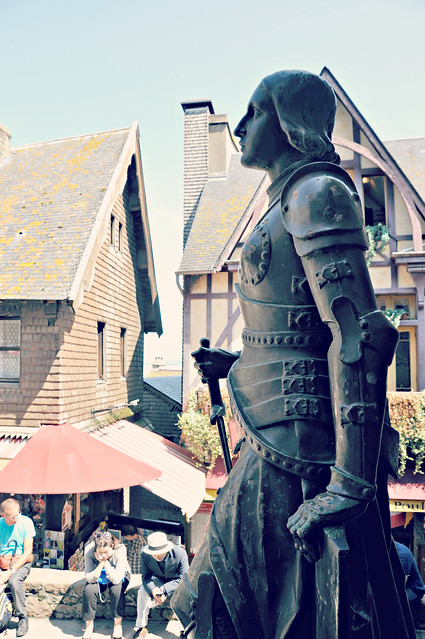
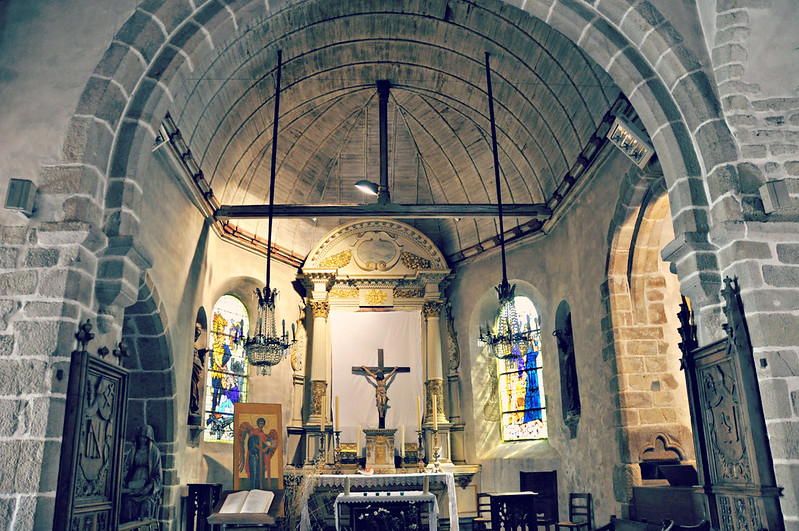
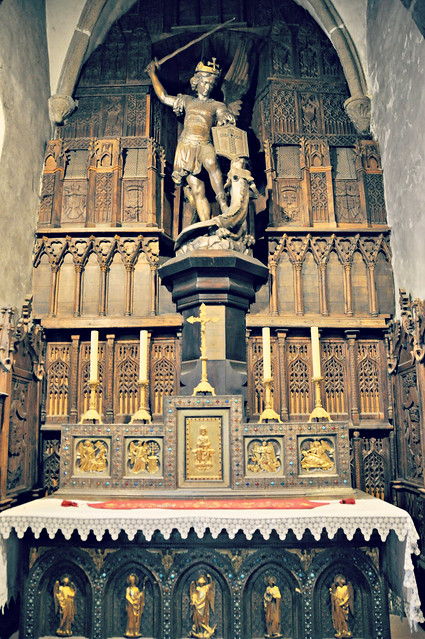
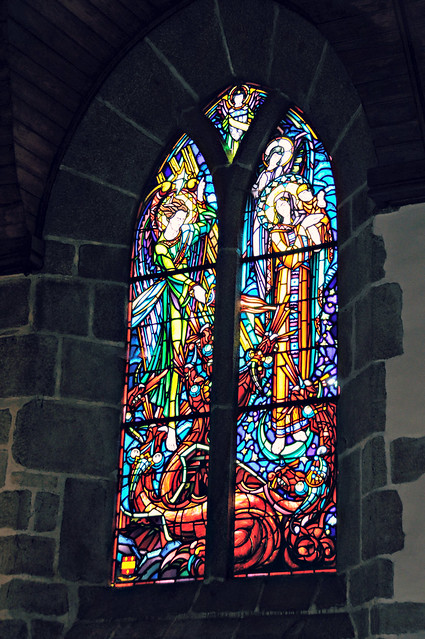
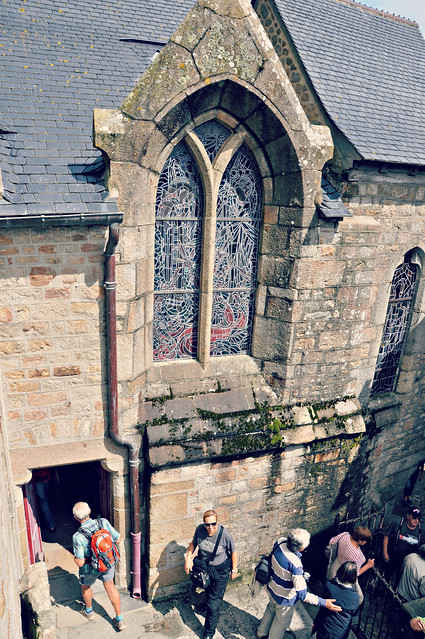
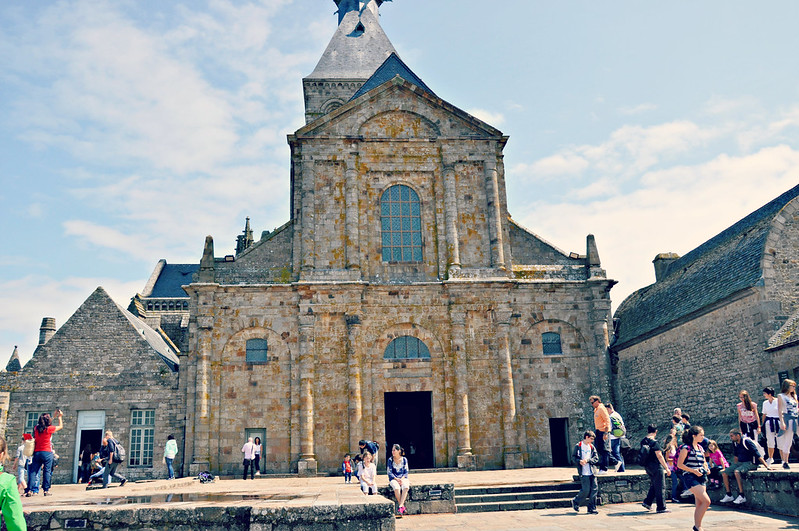
A Igreja de S. Pierre está a meio caminho da Abadia e é fácil de encontrar graças á sua torre-relógio, confesso que o nome baralhou as minhas ideias porque á porta está uma estátua da Joana D’Arc e lá dentro destaca a estátua em prata do Arcanjo Miguel a quem está dedicada a Abadia, bom e a bem da verdade, todo o Monte. Havia poucos sinais de S. Pedro mas a verdade é que mesmo pequena a Igreja estava recheada de elementos interessantes.
 
The Church of St. Pierre is halfway to the Abbey and is easy to find thanks to its clock tower, I confess that the name shuffled my ideas because in the door is a statue of Joan of Arc and there stands the statue in silver Archangel Michael to whom the abbey is dedicated, and oh well to tell the truth, the whole Mount. There were few signs of St. Peter but the truth is that even small the church was full of interesting elements.


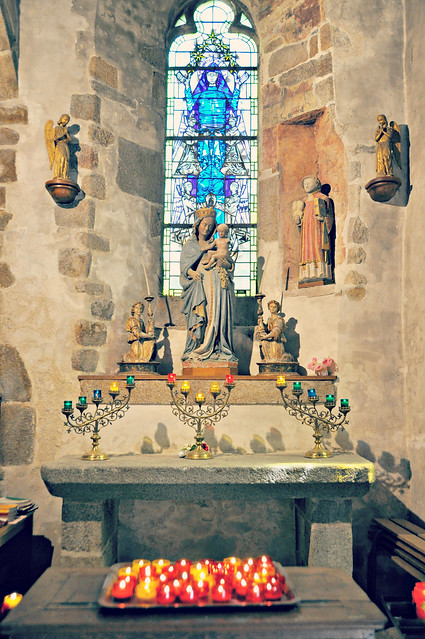
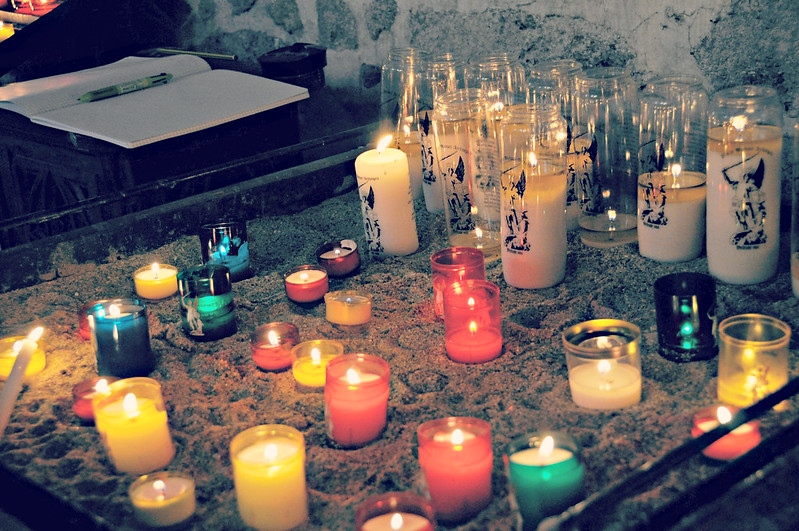
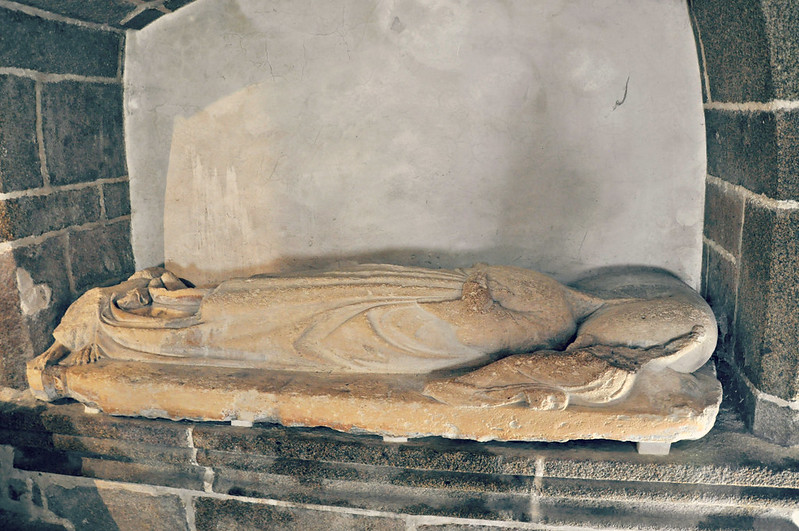
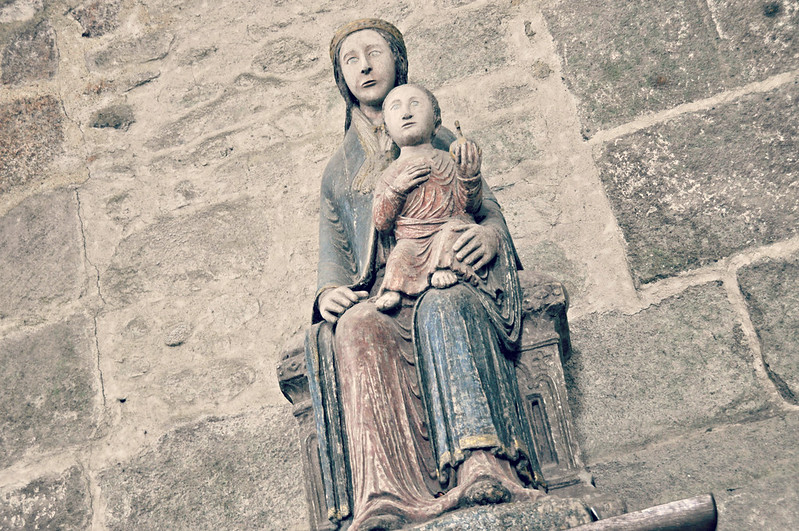
Originalmente construída no século XI, foi renovada nos séculos XV e XVI e da mesma altura são algunas esculturas como a da Virgem que está se destaca num pequeno altar. É outra das paragens obrigatórias dos peregrinos que prestam homenagem e descansam para ganhar fôlego para o que ainda falta para chegar até á Abadia. Ao lado está o cemitério, a última casa dos que ali vivem e onde podemos encontrar a campa da famosa Mère (Annette) Poulard (famosa pelas suas omoletes).
 
Originally built in the eleventh century, it was renovated in the fifteenth and sixteenth centuries and from the same time are the sculptures like the one from the Virgin that stands out in it’s a small altar. It’s another mandatory stop for the pilgrims on thei way to pay homage and rest for breath for what remains to get to the Abbey. Next door is the cemetery, the last home of those who live there and where we can find the grave of the famous Mère (Annette) Poulard (famous for its omoletes).


Our guide of:
http://hojeconhecemos.blogspot.com/2015/06/guia-de-mont-saint-michel.html
 

Mont St-Michel, França

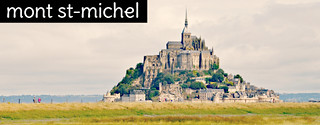
É um dos símbolos de França e está no top 20 de monumentos visitados no país conseguindo atrair mais de um milhão de visitantes todos os anos. Tinha alguma curiosidade em ver como seria, sempre tinha ouvido falar na ilha que temos que ter cuidado com as marés para poder entrar, uma maravilha arquitectónica da época medieval que simplesmente tínhamos que visitar. Tudo começou com uma pequena igreja (ano 788) que celebrava a aparição do Arcanjo S. Miguel o bispo de Avranches quis construir num ponto alto da região.
It is one of the symbols of France and is in the top 20 of most visited monuments in the country managing to attract over a million visitors every year. Had some curiosity to see how it would be, had always heard of the island that we have to be careful of the tides in order to get in, an architectural marvel of medieval times that we just had to visit. It started with a small church (788 years) that celebrated the appearance of the Archangel Michael that Bishop of Avranches wanted to build a high point of the region.

Continue a ler “Mont St-Michel, França”

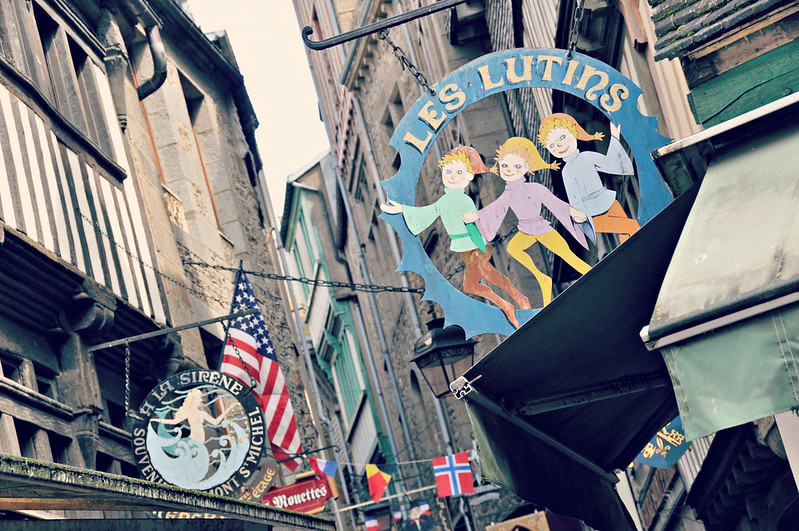
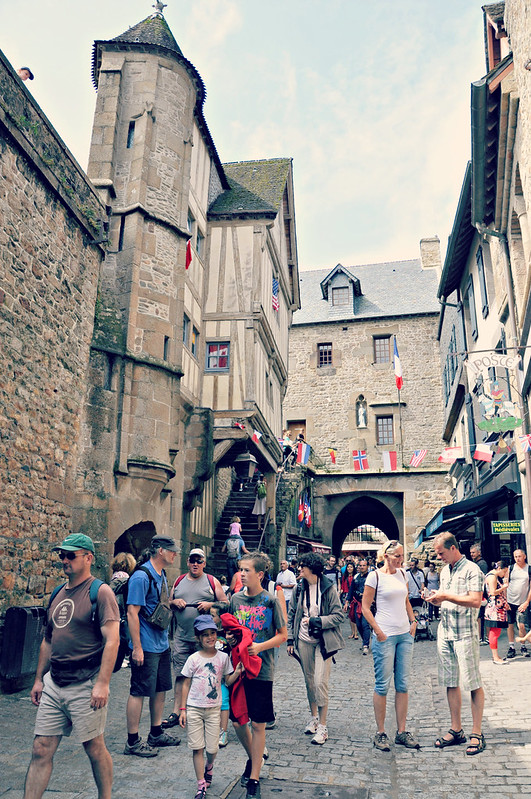
GRAND RUE – MONT ST-MICHEL, FRANÇA

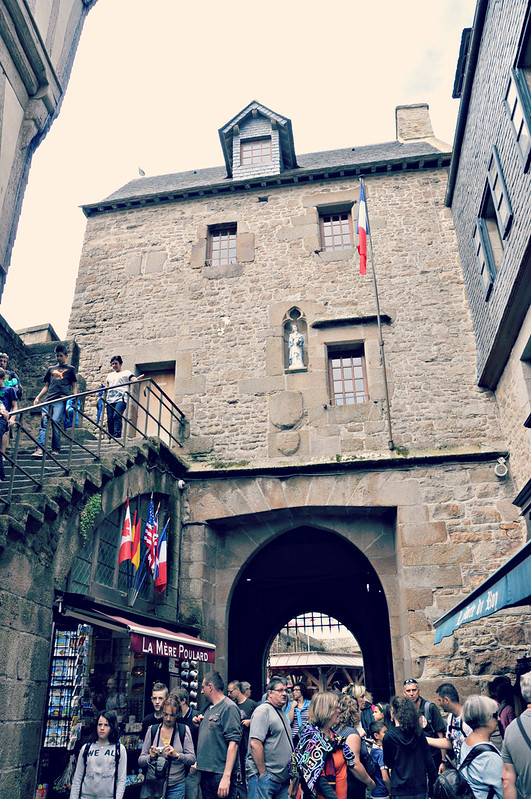
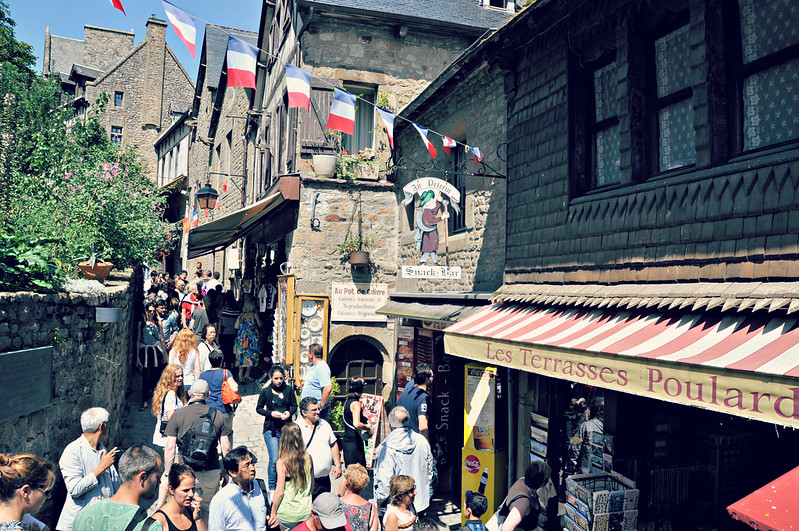
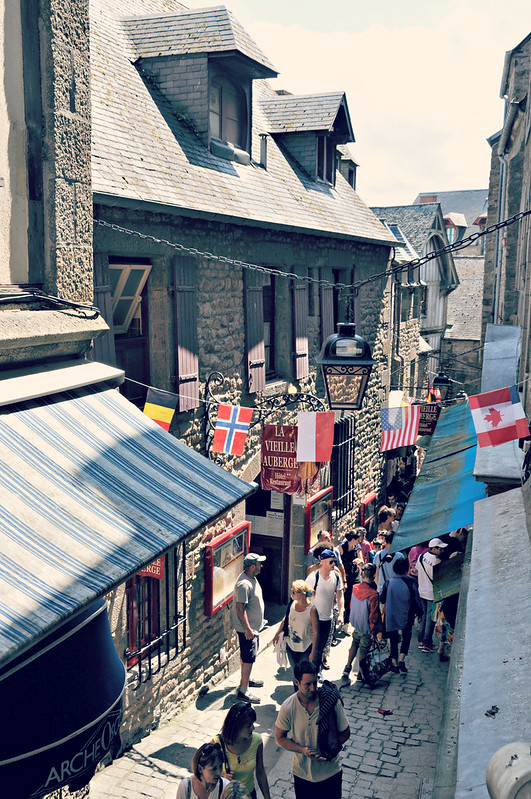
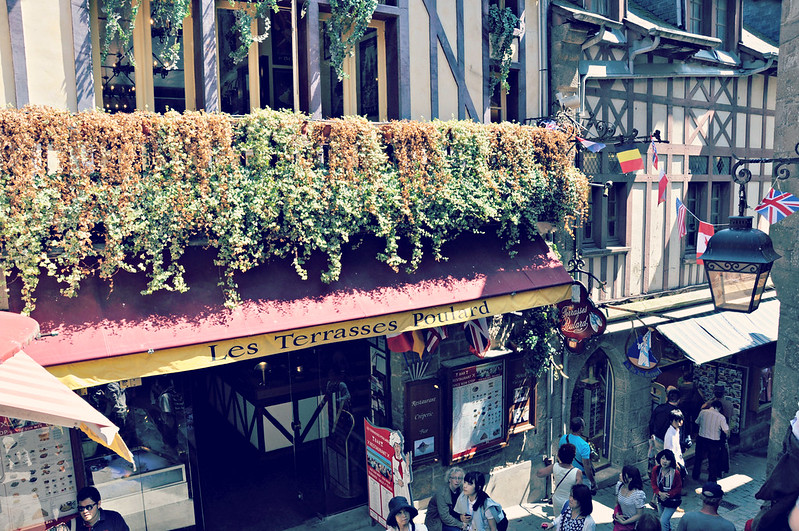
Para os peregrinos este era o principal caminho para chegar á abadia que está no topo do monte, nós procurámos evitá-la porque tinha muita mas muita gente. Conserva a sua origem medieval mas as lojas oferecem outro tipo de produtos de peregrinação como postais, ímans e outras recordações. É também nesta rua que está a maior oferta culinária de Mont Saint-Michel onde se destaca La Mére Poulard e as suas gigantescas omoletes.
 
For pilgrims this was the main way to get to the abbey at the top of the hill, we tried to avoid it because it had a lot but a lot of people. Retains its medieval origin but the stores offer another kind of pilgrimage products like postcards, magnets and other memorabilia. It is also on this street that is the biggest culinary offer of Mont Saint-Michel where La Mère Poulard stands out and its gigantic omoletes.

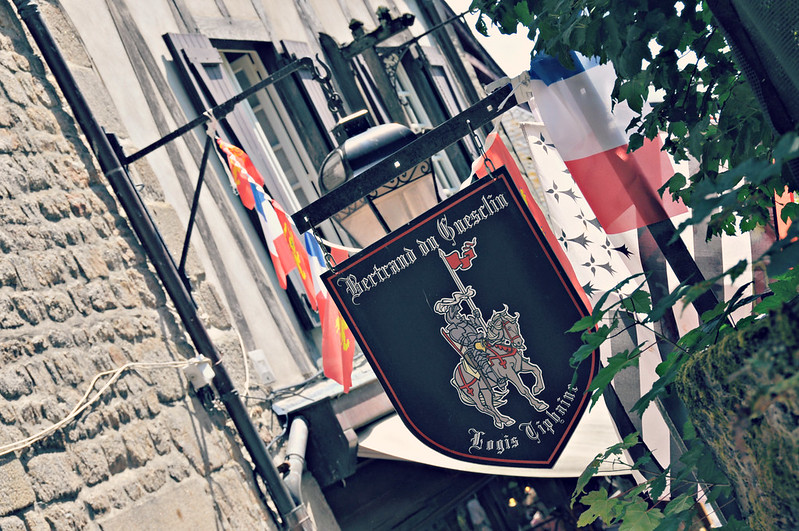
Na mesma rua estão alguns hoteis quase todos de pequenas dimensões porque os edificios antigos não dão para mais. Todas estas lojas, restaurantes e hoteis estão sinalizados com placas que ajudam a recrear o ambiente medieval, o que me sobra são as bandeiras. Chegámos a percorrer a rua mas já quando estávamos a descer, ao principio e depois de cruzar a porta principal vimos tanta gente que decidimos subir até á abadia por outro caminho um pouco mais cansativo (envolvia uns quantos degraus) mas que nos ia brindando com uma vista interessante.
 
On the same street are some hotels almost all of small dimensions because the old buildings can’t do more. All these shops, restaurants and hotels are marked with signs that help recreate the medieval environment, but the flags for me are too much. We did walked through the street coming down we but at the beginning and after crossing the front door we saw so many people who decided to climb to the abbey on another path a little tiring (involving a few steps) but we were surprised with a interesting view.
 

Our guide of:
http://hojeconhecemos.blogspot.com/2015/06/guia-de-mont-saint-michel.html

ABADIA DE ST. MICHEL – MONT ST-MICHEL, FRANÇA

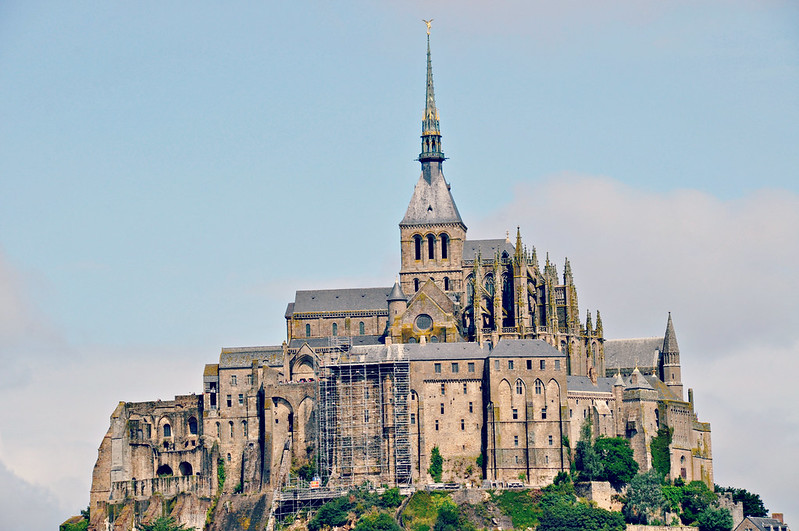
Enquanto folheava a revista de viagens da National Geographic encontrei uma reportagem sobre a Normandia onde se destacava o Mont Saint-Michel, escusado será dizer que ao planear a nossa road trip pelo norte de França colocámos este lugar como um dos que tínhamos que visitar e ainda bem que o fizémos. A melhor sensação é quando o vês por primeira vez mesmo ao longe percebes que é magnifico e o que mais se destaca é a sua Abadia dedicada ao Arcanjo.
 
While flipping through the National Geographic travel magazine I found an article about Normandy where the Mont Saint-Michel stood, it goes without saying that when planning our road trip through northern France we had to put this place as one of those we had to visit and we were glad we did. The best feeling is when you see it for the first time even from a distance you see that is amazing and what stands out most is its abbey dedicated to the Archangel.

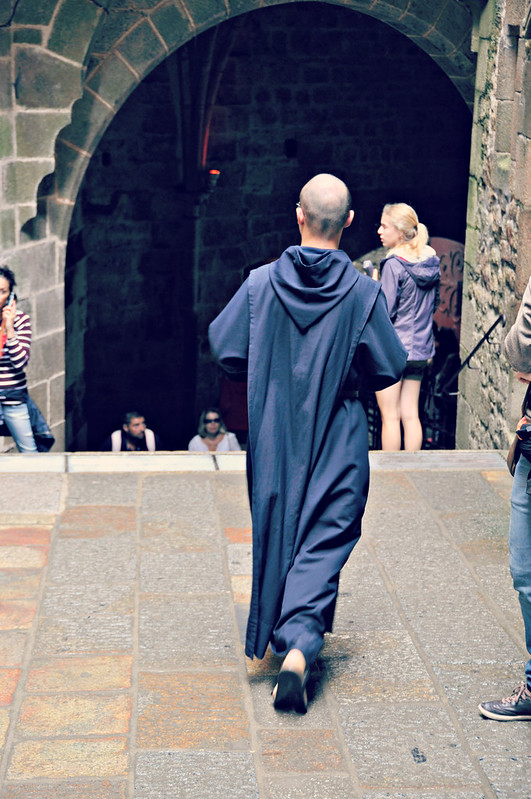
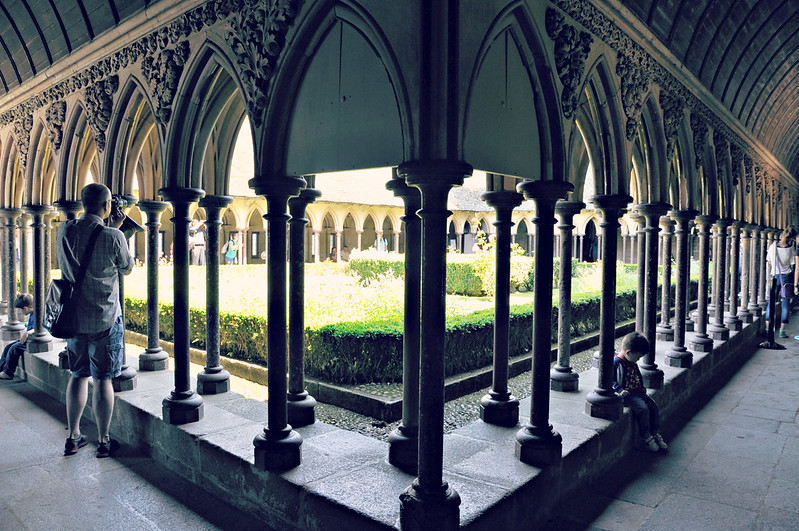
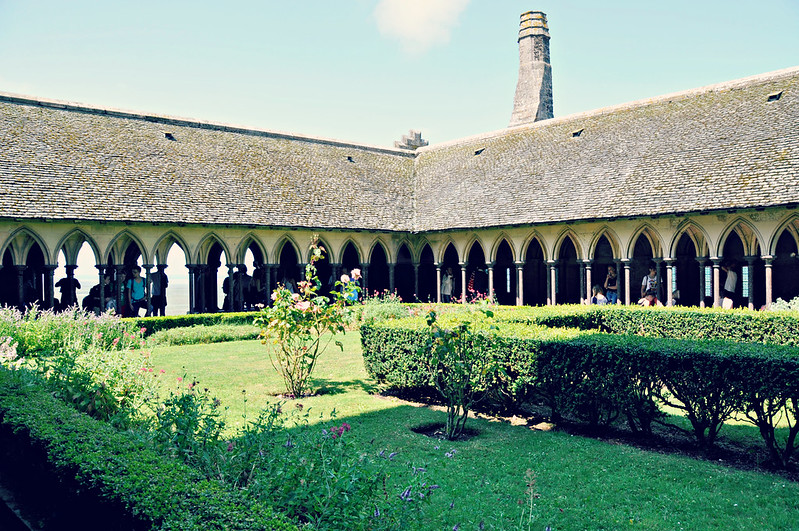
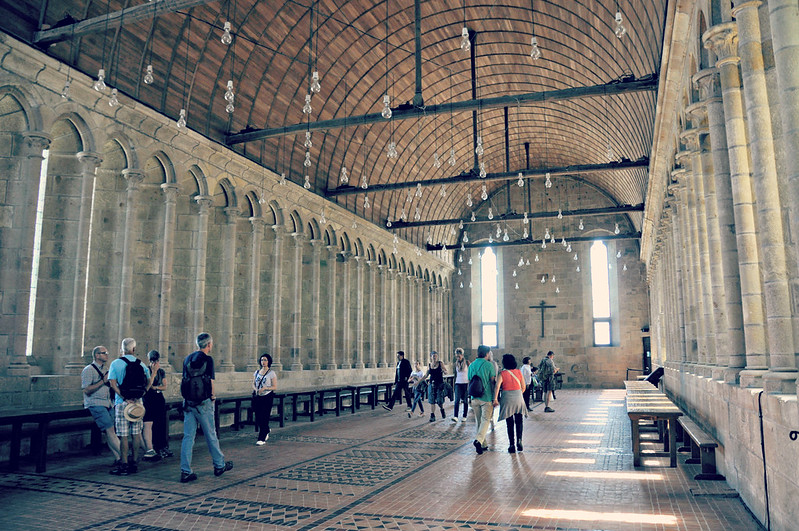
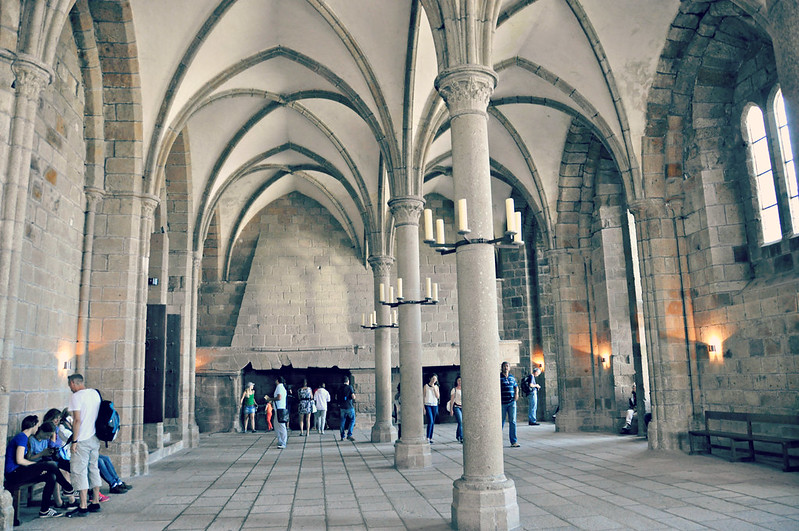
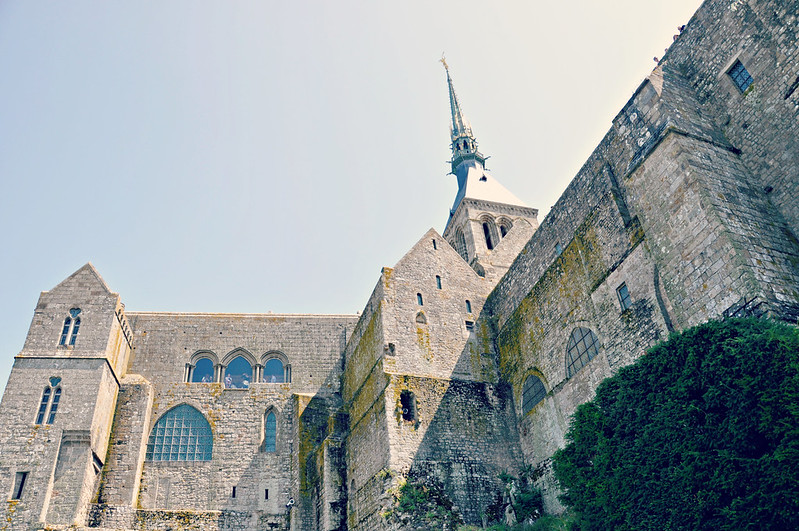
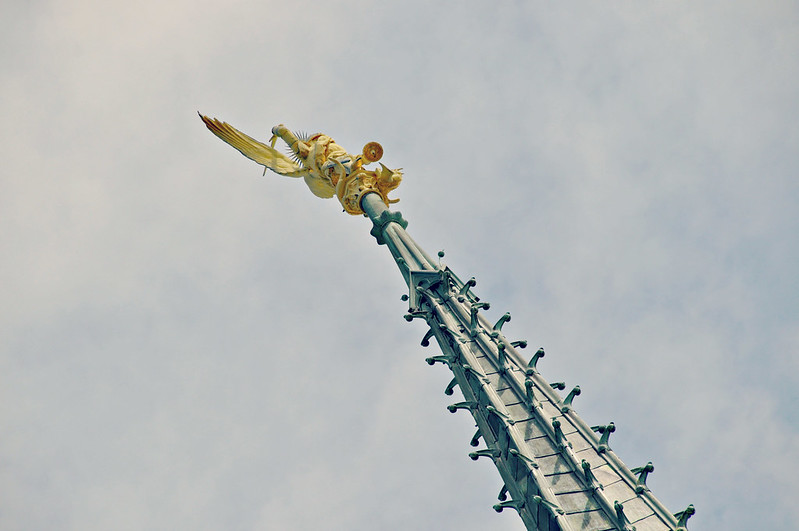
A Abadia foi evoluindo ao longo dos anos, a primeira construção no monte é do século VIII quando o bispo de Avranches a decide construir depois de várias aparições do Arcanjo S. Miguel. De pequena igreja a abadia chegamos ao século X e mais tarde veio a parte gótica que ainda hoje podemos contemplar. A visita merece a pena pela variedade de lugares que vão contando a sua história, desde os belos e tranquilos claustros, ao refeitório onde antes comiam os monges cumprindo um voto de silêncio e a coroar a abadia, uma escultura do Arcanjo colocada no final do século XIX.
 
The Abbey has evolved over the years, the first building on the Hill is from the eighth century when the bishop of Avranches decided to build it after several appearances of the Archangel Michael. From a small church to Abbey in the tenth century and later came the gothic part that today we can contemplate. The visit is worth it for the variety of places telling it’s story, from the beautiful and peaceful cloisters, the refectory where the monks ate fulfilling a vow of silence and crowning the abbey, the Archangel sculpture placed in the end of the nineteenth century.
 

Claustro

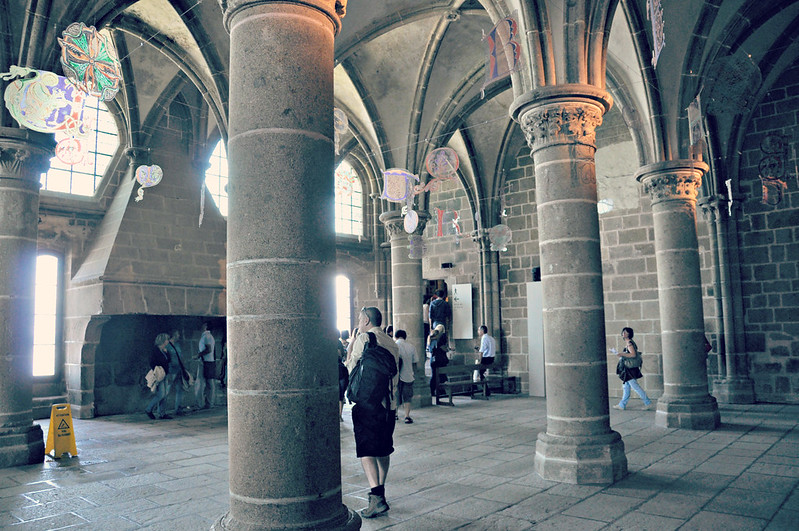
O antigo refeitório

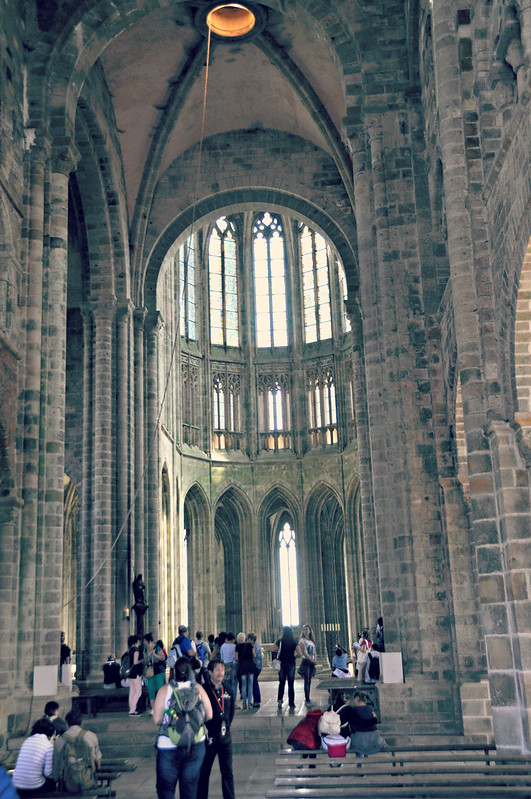
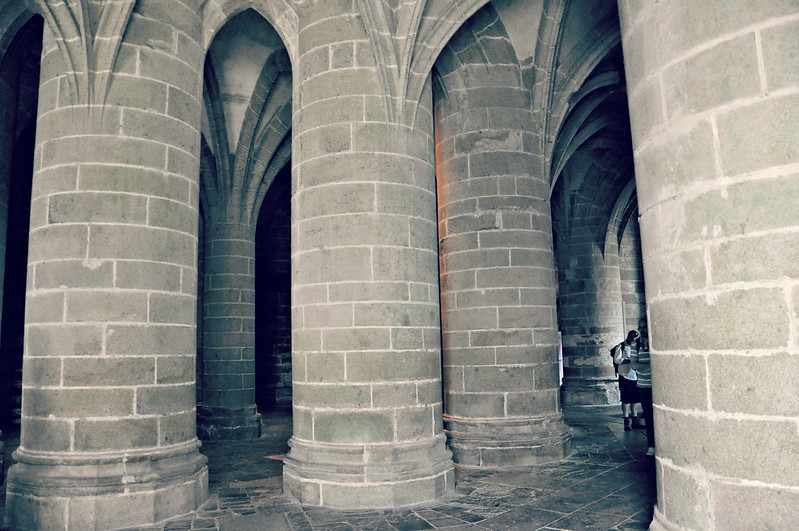
Os grandes pilares que sustentam a capela principal da abadia

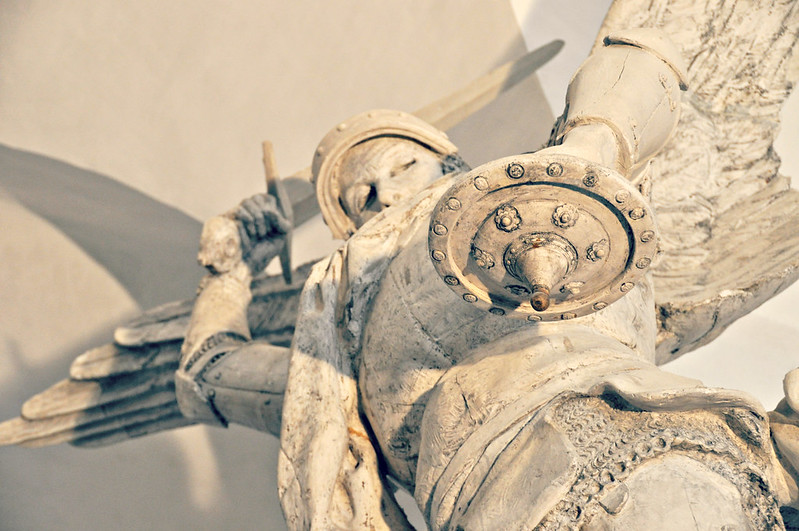
Réplica do Arcanjo

Website: http://www.ot-montsaintmichel.com/index.htm
Entradas: 9€ (Adultos)

 Our guide of:
http://hojeconhecemos.blogspot.com/2015/06/guia-de-mont-saint-michel.html

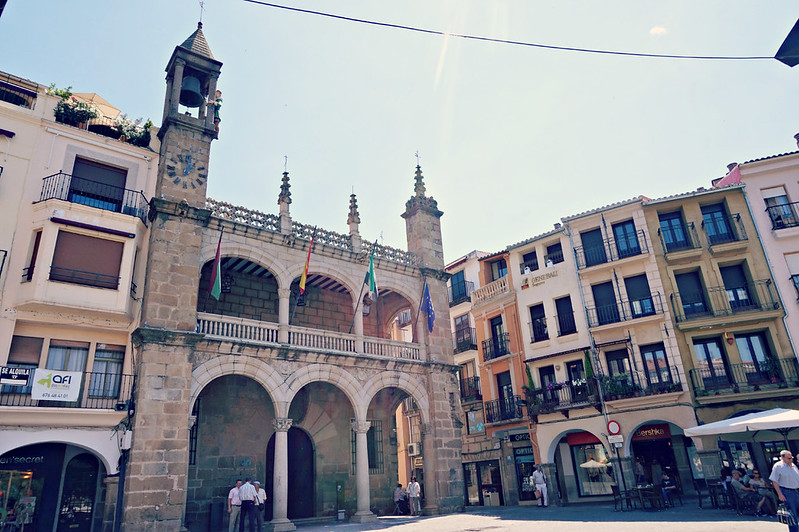
CAFÉ ESPAÑOL – PLASENCIA, ESPANHA

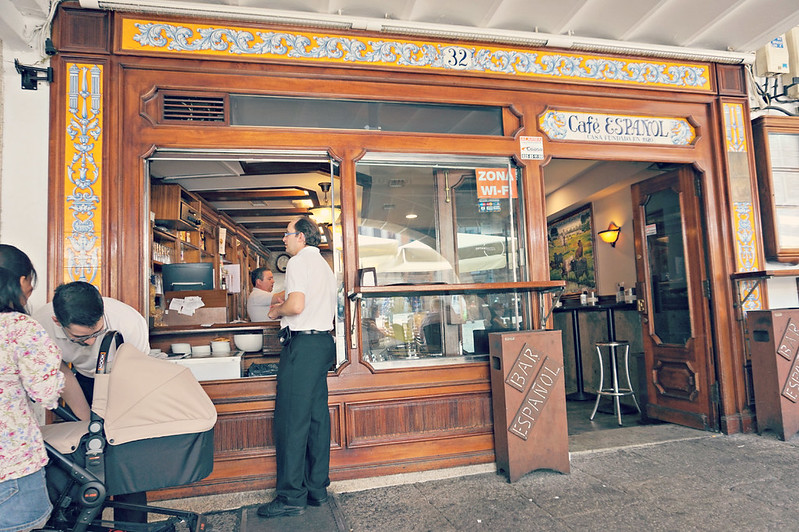
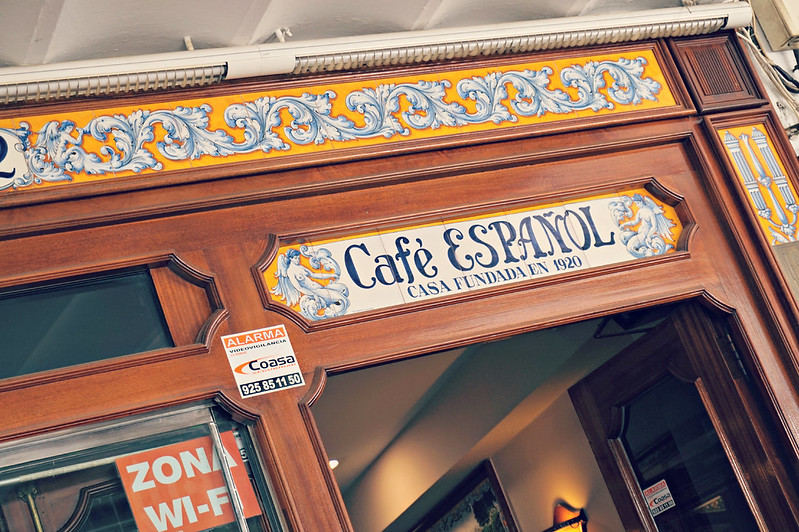
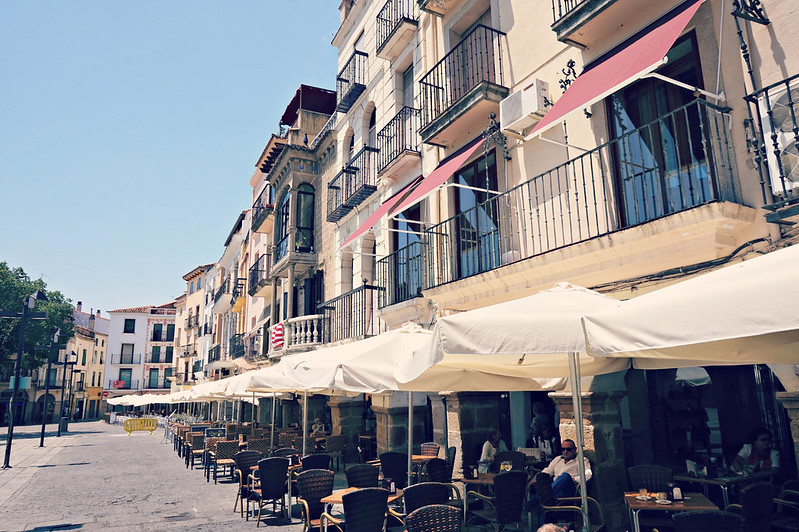
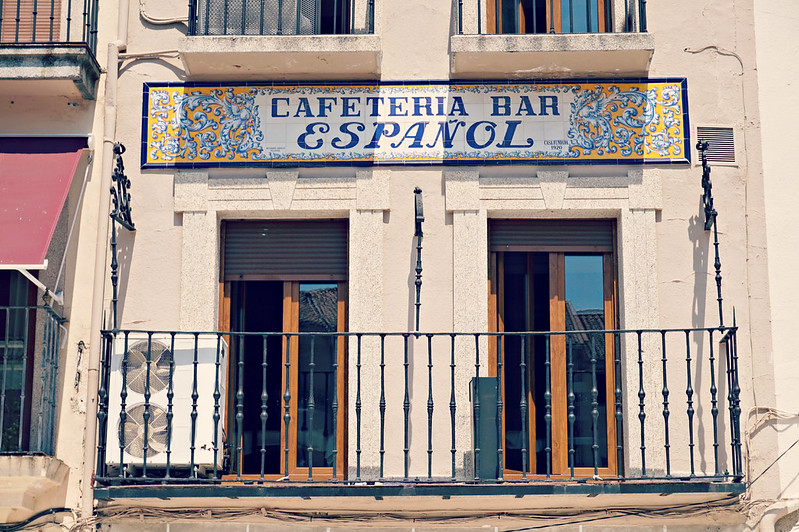
É um dos cafés mais emblemáticos de Plasencia, fundado em 1920 e localizado na Plaza Mayor tem desde o meu ponto de vista tudo para que digas que é uma armadilha para turistas mas não é. Tem boa comida utilizando os melhores ingredientes da região e só o serviço deixa algo a desejar justamente no tratamento que dão aos que não são dali. Tem a parte do bar e também uma zona de restaurante mas nós optámos pela esplanada com vista para a principal praça da cidade.
 
It is one of the most iconic cafes of Plasencia, founded in 1920 and located in the Plaza Mayor has from my point of view all to say that it is a tourist trap but it is not. Good food using the best ingredients of the region, only the service leaves something to be desired just in their treatment of those who are not from around here. It is a bar and also a restaurant area but we opted for the terrace overlooking the main square.

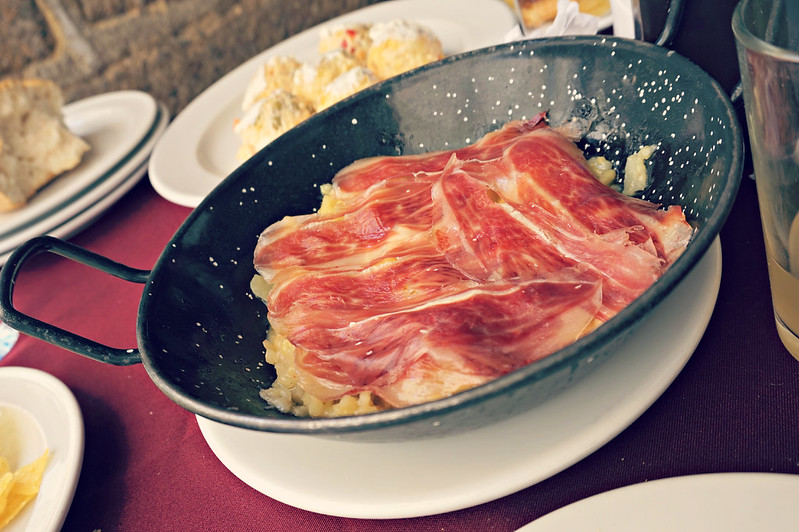
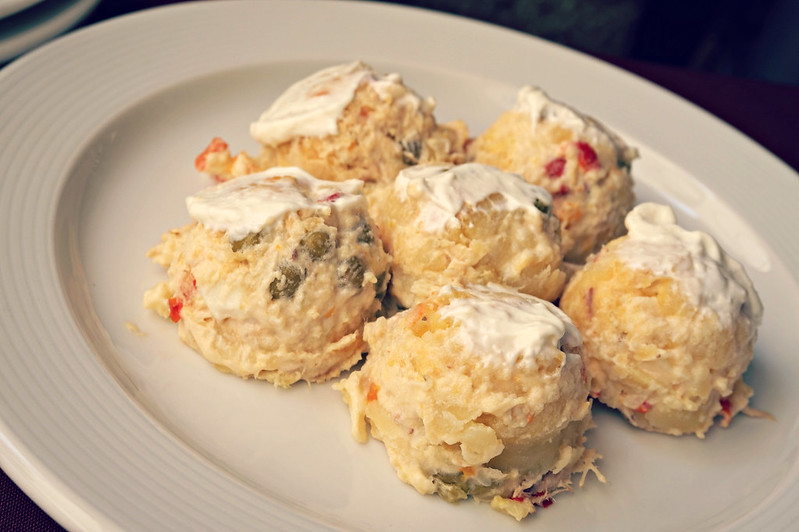
Antes de ir estive a ler sobre alguns pratos tradicionais da gastronomía e curiosamente há uma tapa de salada russa muito típica da região, o nome é  Paloma e vem sobre uma base de pão de trigo. No caso do Café Español havia a salada mas não a tapa mas pedimos na mesma porque o calor apertava e apetecia algo fresco. Mas o prato que mais gostámos foi o “sartén de huevos rotos con jamón y patatas a lo pobre”, o jamón escusado será dizer que é de excelente qualidade ou não fosse a Extremadura a região do jamón ibérico bellota (os porcos são alimentados com bolotas), as batatas estavam óptimas misturadas com o ovo. Foi com este prato que se confirmou que o Café Español não é uma armadilha mas sim um lugar típico frequentado por quem gosta de comer bem.
 
Before going I was reading about some traditional dishes of the gastronomy and interestingly there is a Russian salad slap very typical of the region, the name is Paloma and comes over a wheat bread base. In the case of Spanish Coffee was the salad but not the slap but we ask the same because the heat pressed and felt like something fresh. But the dish we liked most was the huevos rotos sartén of con jamón y patatas a lo pobre, the ham goes without saying that is of excellent quality and not for the Extremadura the bellota ham Iberian region (pigs are fed on acorns ), the potatoes were mixed with egg optimal. It was with this dish which confirmed that the Café Español is not a trap but a typical hangout for those who like to eat well.


Other posts of Plasencia:
http://hojeconhecemos.blogspot.com.es/search/label/Plasencia

PLASENCIA, ESPANHA

A caminho de Monfortinho decidimos parar em Plasencia para conhecer esta cidade da Extremadura que pertence ao municipio de Cáceres. Não levava nenhuma referencia a não ser algumas dicas sobre a gastronomia “extremeña” onde a grande estrela é o Jamón Ibérico de Bellota e a verdade é que ficámos surpreendidos com o seu centro histórico mantendo a arquitectura típica dos séculos XV e XVI  Não tivémos tempo de ver tudo porque foi uma paragem breve mas ficou a vontade de voltar talvez numa altura mais fresca porque já estava a temperatura bastante quente.
On the way to Monfortinho we decided to stop at Plasencia to know this city from Extremadura that belongs to the municipality of Cáceres. I did not take any references unless some tips on the gastronomy of Extremadura” where the star is the Jamón Ibérico de Bellota and the truth is that we were surprised with its historic center maintaining the typical architecture of the fifteenth and sixteenth centuries that we did not have much time to see everything because it was a brief break but it there is the will to return perhaps in a cooler time it was already quite hot.

Continue a ler “PLASENCIA, ESPANHA”

Praça do Municipio – Lisboa, Portugal

São muitas as cidades europeias cuja praça onde se localiza a sua câmara municipal é a mais importante ou a mais grandiosa, não é o caso da modesta Praça do Município de Lisboa. É pequena e talvez não seja das mais interessantes da cidade, o Rossio, o Terreiro do Paço e até a Praça da Figueira acabam por ser mais emblemáticas.
Ainda assim é nela que podemos ver os Paços do Concelho ou seja, a Câmara Municipal instalada num edificio neo-clássico. Ao centro está o pelourinho construído após o terramoto no século XVIII.

In many european cities the square that has the town hall is usually the most important or the most magnificent, it is not the case with modest square of the city of Lisbon. It is small and perhaps not the most interesting city, the Rossio, the Terreiro do Paço and Figueira Square end up being the most iconic.
Yet it is here that we see the Town Hall or the City Council installed in a neo-classical building. At the center is the pillory built after the earthquake in the eighteenth century. Continue a ler “Praça do Municipio – Lisboa, Portugal”